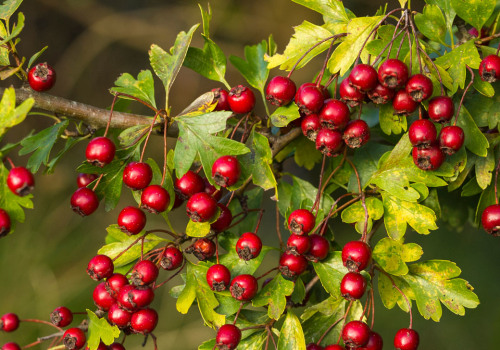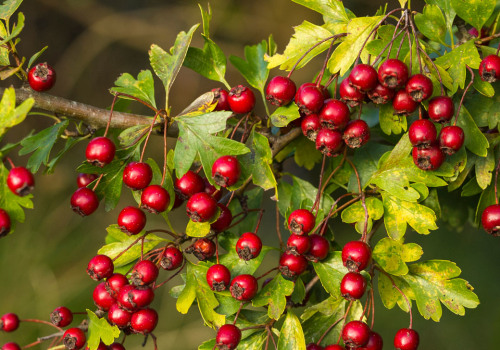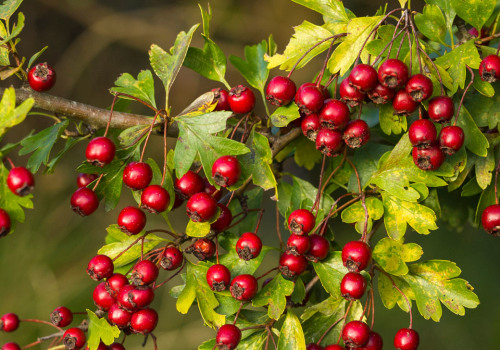
In the realm of herbal medicine, hawthorn berry and ashwagandha stand out as two remarkable herbs, each with a rich history and a plethora of health benefits. Hawthorn berry, known scientifically as Crataegus, has been utilized for centuries, particularly in traditional European medicine, to support cardiovascular health. Its small red fruits are packed with antioxidants, which are believed to enhance blood circulation, lower blood pressure, and even alleviate symptoms of anxiety. This makes hawthorn berry a popular choice for those seeking natural remedies for heart-related issues. On the other hand, ashwagandha , or Withania somnifera, is a cornerstone of Ayurvedic medicine, revered for its adaptogenic properties.
This herb has been used for thousands of years to combat stress and promote overall well-being. Ashwagandha is known to help balance cortisol levels, improve mood, and enhance energy levels, making it an essential herb for those dealing with the pressures of modern life. Its ability to support mental clarity and physical endurance has garnered attention from health enthusiasts worldwide. The combination of these two powerful herbs presents an intriguing opportunity for those interested in herbal remedies. While each herb offers unique benefits on its own, their synergistic effects may amplify their individual properties when taken together.
For instance, the calming effects of ashwagandha could complement the heart-supporting benefits of hawthorn berry, potentially creating a holistic approach to managing stress and promoting cardiovascular health. As we explore the potential benefits and risks associated with combining hawthorn berry and ashwagandha, it is essential to understand their historical significance and how they have been used in various cultures. This knowledge not only enriches our appreciation for these herbs but also guides us in making informed decisions about incorporating them into our wellness routines.
Understanding Hawthorn Berry
Hawthorn berry, derived from the Crataegus species, has been a staple in traditional medicine for centuries, particularly for its remarkable cardiovascular benefits. This small red fruit is packed with bioactive compounds that contribute to heart health, making it a popular choice among herbalists and health enthusiasts alike. One of the primary hawthorn berry benefits is its ability to support cardiovascular function. Research indicates that hawthorn can help improve blood flow, enhance the strength of heart contractions, and lower blood pressure.These effects are largely attributed to its rich content of flavonoids and oligomeric proanthocyanidins, which are known to promote vasodilation—an essential process for maintaining healthy circulation. In addition to its cardiovascular properties, hawthorn berry is also recognized for its potent antioxidant properties. Antioxidants play a crucial role in neutralizing free radicals in the body, which can lead to oxidative stress and various chronic diseases. By incorporating hawthorn berry into your diet, you may help protect your cells from damage and support overall health. Another significant aspect of hawthorn berry is its potential impact on mental well-being. Many individuals turn to this herb for its calming effects, particularly in managing anxiety and promoting better sleep.
The sedative properties of hawthorn can help alleviate symptoms of stress and anxiety by promoting relaxation. This makes it an excellent natural remedy for those struggling with insomnia or restless nights. Furthermore, hawthorn berry has been traditionally used to aid digestion and improve gastrointestinal health. Its mild diuretic properties can assist in flushing out toxins from the body, contributing to overall wellness. In summary, the diverse range of hawthorn berry uses extends beyond just heart health. Its antioxidant capabilities, calming effects on anxiety, and digestive support make it a valuable addition to any natural health regimen.
As with any herbal supplement, it is advisable to consult with a healthcare professional before incorporating hawthorn berry into your routine to ensure it aligns with your individual health needs.
The Power of Ashwagandha
Ashwagandha, scientifically known as Withania somnifera, is a revered herb in traditional Ayurvedic medicine, celebrated for its remarkable adaptogenic properties. Adaptogens are natural substances that help the body adapt to stress and promote overall balance. This ancient herb has been utilized for thousands of years to enhance physical and mental well-being, making it a cornerstone of holistic health practices. One of the most significant ashwagandha benefits is its ability to reduce stress and anxiety. Research indicates that ashwagandha can lower cortisol levels, the hormone primarily responsible for stress responses.By modulating cortisol production, ashwagandha helps to alleviate feelings of anxiety and promotes a sense of calm. This effect is particularly beneficial in today’s fast-paced world, where chronic stress can lead to various health issues. In addition to its stress-reducing capabilities, ashwagandha is known for enhancing cognitive function. Studies suggest that it may improve memory, focus, and overall mental clarity. This cognitive boost is attributed to its antioxidant properties, which protect brain cells from oxidative stress and inflammation.
As a result, incorporating ashwagandha into your daily routine may support long-term brain health. Ashwagandha also plays a vital role in boosting energy levels and improving physical performance. Athletes and fitness enthusiasts often turn to this herb for its potential to enhance stamina and strength. By reducing fatigue and increasing endurance, ashwagandha can help individuals achieve their fitness goals more effectively. Moreover, this powerful herb has been linked to improved sleep quality. Many people struggle with insomnia or disrupted sleep patterns due to stress or anxiety.
Ashwagandha’s calming effects can promote relaxation, making it easier to fall asleep and stay asleep throughout the night. In summary, the benefits of ashwagandha extend far beyond stress reduction. Its adaptogenic properties make it a versatile herb that supports mental clarity, physical performance, and restful sleep. As more individuals seek natural remedies for their health concerns, ashwagandha continues to gain recognition as a powerful ally in achieving holistic wellness.
Potential Benefits of Combining Hawthorn Berry and Ashwagandha
Combining hawthorn berry and ashwagandha can yield a range of potential benefits, particularly in enhancing cardiovascular health, alleviating anxiety, improving sleep quality, and promoting overall well-being. Understanding how these two herbs work together can provide insights into their synergistic effects.Enhancing Cardiovascular Health
Both hawthorn berry and ashwagandha have been recognized for their positive impacts on heart health.Hawthorn berry is renowned for its ability to improve blood circulation, lower blood pressure, and strengthen heart function. It contains flavonoids and antioxidants that help protect the cardiovascular system from oxidative stress. Ashwagandha complements these effects by reducing stress and anxiety, which are known contributors to heart disease. Chronic stress can lead to elevated cortisol levels, negatively impacting heart health. By combining these two herbs, individuals may experience improved heart function and reduced risk factors associated with cardiovascular diseases.
Reducing Anxiety and Stress
The adaptogenic properties of ashwagandha make it particularly effective in managing stress and anxiety.It helps regulate the body’s response to stressors, promoting a sense of calm and relaxation. On the other hand, hawthorn berry has mild sedative effects that can further enhance relaxation. Together, these herbs may create a powerful combination for those struggling with anxiety. The calming effects of hawthorn berry can work synergistically with ashwagandha’s adaptogenic properties to provide a more comprehensive approach to stress management.
Improving Sleep Quality
Sleep disturbances are often linked to both anxiety and cardiovascular issues. The combination of hawthorn berry and ashwagandha may help improve sleep quality by addressing these underlying factors.Hawthorn berry’s sedative properties can promote relaxation, making it easier to fall asleep, while ashwagandha helps reduce the stress that often disrupts sleep patterns. This dual action can be particularly beneficial for individuals who find it difficult to unwind at night due to racing thoughts or anxiety. By incorporating both herbs into a nightly routine, users may find themselves enjoying deeper, more restorative sleep.
Supporting Overall Well-Being
The combined benefits of hawthorn berry and ashwagandha extend beyond specific health concerns. Together, they support overall well-being by enhancing mood, boosting energy levels, and improving resilience against daily stressors. This holistic approach can lead to a greater sense of vitality and improved quality of life. In summary, the potential benefits of combining hawthorn berry and ashwagandha are vast.From enhancing cardiovascular health to reducing anxiety and improving sleep quality, this herbal duo offers a natural way to support overall wellness. However, it is essential to consult with a healthcare professional before starting any new herbal regimen to ensure safety and efficacy.
Risks and Considerations When Combining These Herbs
While the combination of hawthorn berry and ashwagandha may offer various health benefits, it is crucial to be aware of the potential risks and considerations that come with their use together. Understanding these risks can help individuals make informed decisions about their health and wellness.Serotonin Syndrome
One of the most significant concerns when combining these two herbs is the risk of serotonin syndromeserotonin syndrome. This condition occurs when there is an excess of serotonin in the body, which can lead to a range of symptoms, including:- Confusion or altered mental status
- Rapid heart rate
- High blood pressure
- Shivering or sweating
- Tremors or muscle rigidity
- Nausea or vomiting
It is essential to monitor for any unusual symptoms if you choose to combine these herbs.
Interactions with Medications
Another critical consideration is the potential for interactions with prescription medications. Hawthorn berry, in particular, has mild blood-thinning properties and may interact with anticoagulant medications such as warfarin. This interaction could increase the risk of bleeding complications. Additionally, hawthorn may affect medications used to treat heart conditions, potentially altering their effectiveness. Ashwagandha can also interact with certain medications, particularly those that affect the central nervous system.For example, it may enhance the effects of sedatives or anti-anxiety medications, leading to excessive drowsiness or sedation.
Consulting Healthcare Professionals
Given these potential risks, it is vital to consult with a healthcare professional before combining hawthorn berry and ashwagandha. A qualified practitioner can provide personalized advice based on your health history and current medications. They can also help determine appropriate dosages and monitor for any adverse effects. In summary, while hawthorn berry and ashwagandha may offer complementary benefits, it is essential to approach their combination with caution. Being aware of the risks associated with serotonin syndrome and potential drug interactions can help ensure a safer experience when using these powerful herbs.How to Safely Incorporate Hawthorn Berry and Ashwagandha into Your Routine
Incorporating hawthorn berry and ashwagandha into your daily routine can be a beneficial way to enhance your overall well-being.However, it is essential to do so safely and effectively. Here are some practical tips on how to use these herbs together, including dosage recommendations and forms of consumption.
Forms of Consumption
- Teas: Both hawthorn berry and ashwagandha can be enjoyed as herbal teas. To prepare a tea, steep 1-2 teaspoons of dried hawthorn berries or ashwagandha root powder in hot water for about 10-15 minutes. This method allows for easy absorption of their beneficial compounds.
-
Supplements: If you prefer a more concentrated form, consider taking standardized extracts in capsule or tablet form.
Look for products that specify the amount of active ingredients, such as flavonoids in hawthorn and withanolides in ashwagandha.
- Tinctures: Herbal tinctures are another option, providing a potent liquid extract of the herbs. Follow the manufacturer's instructions for dosage, typically ranging from 1-2 dropperfuls taken in water or juice.
Dosage Recommendations
The appropriate dosage can vary based on individual health needs and the specific product used. Here are some general guidelines:
- Hawthorn Berry: A common dosage is 250-500 mg of hawthorn extract taken 1-3 times daily. If using dried berries for tea, aim for 1-2 teaspoons per cup.
-
Ashwagandha: For ashwagandha, a typical dosage ranges from 300-600 mg of standardized extract taken once or twice daily.
If using the root powder, 1 teaspoon mixed into smoothies or teas is often recommended.
Monitoring Effects
As you begin to incorporate these herbs into your routine, it’s crucial to monitor how your body responds. Keep a journal to track any changes in mood, energy levels, or physical symptoms. This practice can help you identify the optimal dosage and form that works best for you. If you experience any adverse effects such as dizziness, gastrointestinal discomfort, or unusual changes in mood, consider reducing the dosage or discontinuing use altogether. Always consult with a healthcare professional before starting any new herbal regimen, especially if you are pregnant, nursing, or taking medications. By following these guidelines and being mindful of your body’s responses, you can safely enjoy the potential benefits of combining hawthorn berry and ashwagandha in your daily routine.
Frequently Asked Questions about Hawthorn Berry and Ashwagandha
When considering the use of hawthorn berry and ashwagandha, many individuals have questions about their safety, efficacy, and potential interactions.Below are some frequently asked questions that can help clarify these concerns.
What are the primary benefits of hawthorn berry?
Hawthorn berry is renowned for its numerous health benefits, particularly in relation to heart health. Some of the key benefits include:- Improved cardiovascular function: Hawthorn berry has been shown to enhance blood flow and strengthen heart muscles.
- Blood pressure regulation: It may help lower both systolic and diastolic blood pressure.
- Antioxidant properties: Rich in flavonoids, hawthorn berry helps combat oxidative stress in the body.
- Anxiety relief: Its mild sedative effects can aid in reducing anxiety and promoting relaxation.
What are the main uses of ashwagandha?
Ashwagandha is an adaptogenic herb that has been used for centuries in Ayurvedic medicine. Its primary uses include:- Stress reduction: Ashwagandha is known for its ability to lower cortisol levels, helping to alleviate stress.
- Mood enhancement: It can improve overall mood and may help with symptoms of depression.
- Energy boost: Many users report increased energy levels and improved stamina.
- Anti-inflammatory effects: Ashwagandha has properties that may reduce inflammation in the body.
Is it safe to combine hawthorn berry and ashwagandha?
The combination of hawthorn berry and ashwagandha can be beneficial for many individuals, particularly those looking to support their cardiovascular health while managing stress. However, it is essential to consult with a healthcare professional before starting any new herbal regimen, especially if you are taking medications or have underlying health conditions.Can I take hawthorn berry and ashwagandha with other medications?
Caution is advised when combining these herbs with prescription medications.Hawthorn berry may interact with blood thinners and heart medications, while ashwagandha can affect thyroid hormone levels. Always discuss your current medications with a healthcare provider to avoid potential interactions.
How should I take hawthorn berry and ashwagandha?
The dosage and form (capsule, tincture, tea) of both herbs can vary based on individual needs. It’s best to follow the recommendations provided by a healthcare professional or the product label. Starting with lower doses and gradually increasing them can help assess tolerance. In summary, understanding the benefits and potential risks associated with hawthorn berry and ashwagandha, along with their interactions with other medications, is crucial for safe usage.Always prioritize professional guidance when incorporating new herbs into your health routine.
Conclusion: Weighing the Benefits Against the Risks
In summary, the combination of hawthorn berry and ashwagandha presents a fascinating intersection of traditional herbal medicine and modern wellness practices. Both herbs offer a range of potential health benefits, particularly in the realms of cardiovascular health, stress reduction, and sleep improvement. However, it is crucial to approach their combined use with a balanced perspective. As we have explored, hawthorn berry is renowned for its ability to enhance blood circulation, lower blood pressure, and provide antioxidant support. Its calming properties can also aid those struggling with anxiety and insomnia.On the other hand, ashwagandha serves as a powerful adaptogen, helping the body manage stress while promoting overall vitality and mood enhancement. Despite these promising benefits, it is essential to remain vigilant about the potential risks associated with combining these two herbs. The possibility of serotonin syndrome is a significant concern, especially for individuals already taking medications that affect serotonin levels. Additionally, hawthorn berry's mild blood-thinning effects necessitate caution for those on anticoagulant therapies. Before incorporating this herbal duo into your routine, consider the following:
- Consult a healthcare professional: Always seek guidance from a qualified practitioner who understands your health history and current medications.
- Start with low doses: If you decide to proceed, begin with lower doses to monitor how your body responds to the combination.
- Be aware of interactions: Stay informed about any potential interactions with other supplements or medications you may be taking.