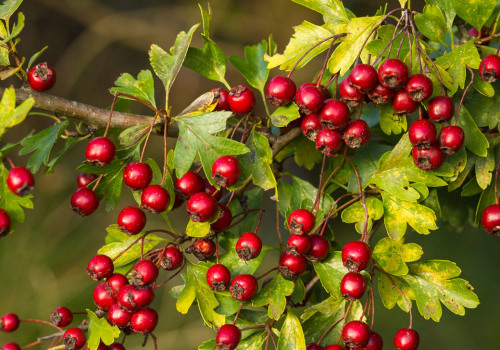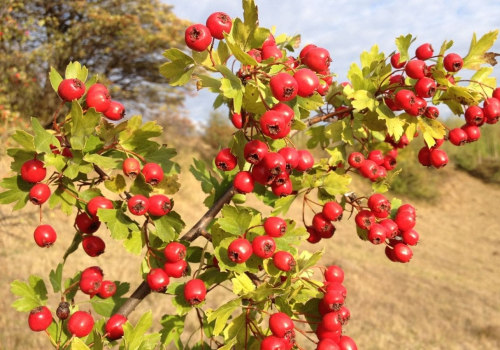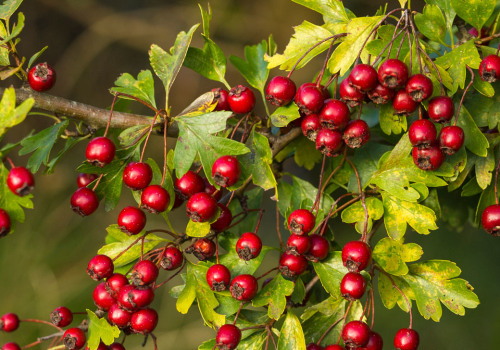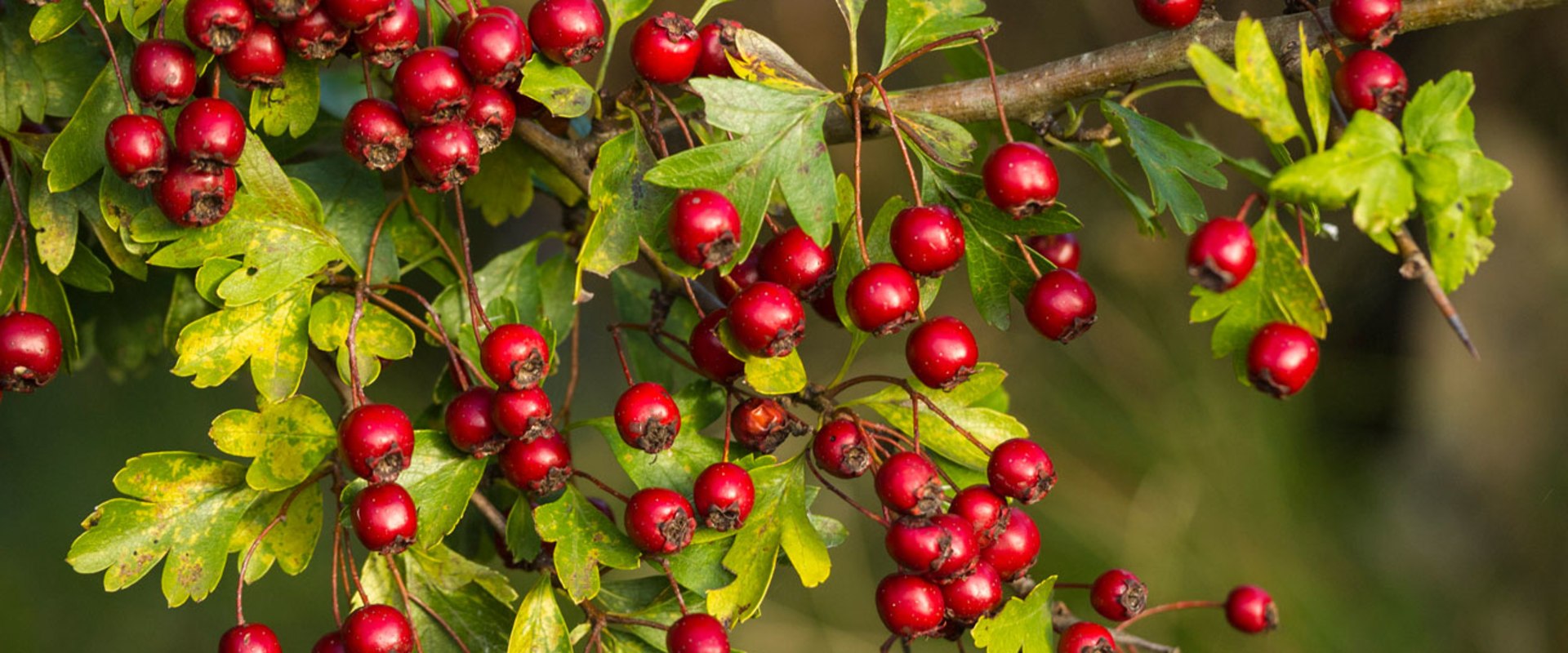
The hawthorn berry , derived from the Crataegus genus of shrubs and trees, has been a staple in traditional medicine for centuries. Known for its vibrant red color and small size, this fruit is not only visually appealing but also packed with a plethora of health benefits. Historically, hawthorn has been utilized in various cultures, particularly in Europe and Asia, where it was revered for its ability to support cardiovascular health. Ancient herbalists recognized its potential long before modern science began to validate these claims. One of the most fascinating aspects of hawthorn berry is its rich composition of bioactive compounds.
These include flavonoids, oligomeric proanthocyanidins (OPCs), and phenolic acids, all of which contribute to its antioxidant properties. Antioxidants play a crucial role in neutralizing free radicals in the body, thereby reducing oxidative stress and inflammation. This is particularly important when considering the health of vital organs such as the liver, which can be adversely affected by oxidative damage. As we delve deeper into the hawthorn berry benefits , it becomes evident that this humble fruit offers more than just heart health support. Emerging research suggests that hawthorn may also provide protective effects for the liver, making it a valuable addition to any wellness regimen.
By understanding what hawthorn berry is and how it has been used throughout history, we can better appreciate its potential role in modern health practices. In this article, we will explore the various benefits of hawthorn berry, focusing on its implications for liver health. From its historical roots to contemporary applications, hawthorn berry stands out as a remarkable natural remedy that deserves attention in the realm of holistic health.
Nutritional Profile of Hawthorn Berry
The nutritional profile of hawthorn berry is a key factor in understanding its numerous health benefits. This small fruit, often overlooked, is packed with essential vitamins, minerals, and antioxidants that contribute to overall wellness.Vitamins
found in hawthorn berries include:
- Vitamin C: Known for its immune-boosting properties, vitamin C is a powerful antioxidant that helps protect cells from damage caused by free radicals. It also plays a crucial role in collagen production, which is vital for skin health.
- Vitamin B Complex: Hawthorn berries contain several B vitamins, including B1 (thiamine), B2 (riboflavin), and B3 (niacin).
These vitamins are essential for energy metabolism and support the nervous system.
- Potassium: This mineral is important for maintaining healthy blood pressure levels and proper muscle function.
- Magnesium: Known for its role in over 300 biochemical reactions in the body, magnesium supports muscle and nerve function, blood sugar control, and blood pressure regulation.
- Flavonoids: These plant compounds are known for their anti-inflammatory and antioxidant effects. They help improve blood circulation and may reduce the risk of chronic diseases.
- Oligomeric Proanthocyanidins (OPCs): Found in high concentrations in hawthorn, OPCs are potent antioxidants that can protect against cellular damage and support cardiovascular health.
By incorporating this nutrient-dense fruit into your meals or supplements, you can harness its potential health benefits while supporting your liver and overall well-being.
Health Benefits of Hawthorn Berry
Hawthorn berry, derived from the Crataegus plant, has been celebrated for its numerous health benefits, particularly in the realm of cardiovascular support. This small fruit is packed with bioactive compounds that contribute to its therapeutic properties, making it a valuable addition to a health-conscious diet.Cardiovascular Support
One of the most well-documented hawthorn berry benefits is its ability to promote heart health. Research indicates that hawthorn may help improve blood circulation and strengthen heart function. The flavonoids and oligomeric proanthocyanidins (OPCs) found in hawthorn berries are known to enhance the dilation of blood vessels, which can lead to lower blood pressure and improved oxygen delivery to the heart muscle. In clinical studies, patients with heart failure who supplemented with hawthorn extract reported significant improvements in symptoms such as fatigue and shortness of breath.
Additionally, hawthorn has been shown to reduce the risk of complications associated with heart disease by lowering cholesterol levels and preventing plaque buildup in arteries.
Anxiety Reduction
Beyond its cardiovascular benefits, hawthorn berry also exhibits potential in alleviating anxiety. A study involving participants with anxiety disorders found that a combination of hawthorn extract, magnesium, and California poppy flower significantly reduced anxiety levels compared to a placebo. This effect may be attributed to hawthorn's ability to promote relaxation and improve overall mood.
Antioxidant Properties
The antioxidant capacity of hawthorn berry is another compelling reason to incorporate it into your wellness routine. Antioxidants play a crucial role in neutralizing free radicals—unstable molecules that can cause cellular damage and contribute to chronic diseases.
The high levels of vitamin C, flavonoids, and other antioxidants in hawthorn berries help protect the body from oxidative stress.
Regular consumption of hawthorn may not only support liver health but also bolster the immune system and reduce inflammation throughout the body. This multifaceted approach to health makes hawthorn berry a versatile supplement for those looking to enhance their overall well-being.
Conclusion
In summary, the health benefits of hawthorn berry extend far beyond liver health. With its proven effects on cardiovascular support, anxiety reduction, and antioxidant properties, this remarkable fruit deserves a place in your health regimen. As always, consult with a healthcare professional before starting any new supplement to ensure it aligns with your individual health needs.
Hawthorn Berry and Liver Health: What the Research Says
When it comes to understanding the relationship between hawthorn berry and liver health, scientific research provides valuable insights.While hawthorn is widely recognized for its cardiovascular benefits, its potential effects on liver health are less frequently discussed. However, emerging studies suggest that hawthorn may offer protective properties for the liver. One of the key components of hawthorn berry is its rich antioxidant profile, which includes flavonoids and oligomeric proanthocyanidins (OPCs). These compounds are known for their ability to combat oxidative stress, a significant factor in liver damage. A study published in the Journal of Ethnopharmacology highlighted that hawthorn extract could reduce oxidative stress markers in animal models, suggesting a protective effect on liver cells. In another study focusing on the hepatoprotective effects of hawthorn, researchers found that administering hawthorn extract to rats exposed to toxic substances resulted in a significant decrease in liver enzyme levels.
Elevated liver enzymes often indicate liver damage, and the reduction observed in this study points to hawthorn's potential role in safeguarding liver function. Moreover, a clinical trial involving human participants with mild liver dysfunction showed promising results. Participants who supplemented with hawthorn extract experienced improvements in liver function tests compared to those who received a placebo. This suggests that hawthorn berry may not only be safe for the liver but could also enhance its health under certain conditions. Despite these positive findings, it is essential to approach hawthorn supplementation with caution. The variability in supplement quality can impact efficacy and safety.
The Food and Drug Administration (FDA) does not regulate dietary supplements as strictly as pharmaceuticals, which means that consumers should choose high-quality products from reputable sources. In conclusion, while more extensive human studies are needed to fully understand the extent of hawthorn berry's benefits for liver health, current research indicates that it may offer protective effects against oxidative stress and support overall liver function. As always, consulting with a healthcare professional before starting any new supplement regimen is advisable to ensure safety and appropriateness for individual health needs.
Potential Risks and Side Effects of Hawthorn Berry
While hawthorn berry is widely recognized for its numerous health benefits, it is essential to consider the potential risks and side effects associated with its consumption. Understanding these factors can help individuals make informed decisions about incorporating hawthorn into their health regimen.Possible Side Effects
- Gastrointestinal Issues: Some individuals may experience mild gastrointestinal discomfort, including nausea, diarrhea, or stomach upset after consuming hawthorn berry. These symptoms are generally mild and may subside with continued use.
- Dizziness and Fatigue: A few users have reported feelings of dizziness or fatigue, particularly when taking higher doses.
It is advisable to start with a lower dose to assess tolerance.
- Allergic Reactions: Although rare, allergic reactions to hawthorn can occur. Symptoms may include rash, itching, or difficulty breathing. If any of these symptoms arise, it is crucial to seek medical attention immediately.
Interactions with Medications
Hawthorn berry may interact with certain medications, particularly those used for heart conditions. It is known to enhance the effects of medications such as:
- Beta-blockers: Hawthorn can amplify the blood pressure-lowering effects of beta-blockers, potentially leading to hypotension (low blood pressure).
- Anticoagulants: There is a possibility that hawthorn may increase the risk of bleeding when taken alongside blood thinners like warfarin.
- Heart Medications: Patients taking medications for heart failure or arrhythmias should consult their healthcare provider before using hawthorn, as it may alter the effectiveness of these drugs.
Consultation with Healthcare Professionals
Given the potential for side effects and interactions, it is highly recommended that individuals consult with a healthcare professional before starting any new supplement regimen involving hawthorn berry.
This is especially important for those who are pregnant, nursing, or have pre-existing health conditions. In summary, while hawthorn berry offers various health benefits, being aware of its side effects and interactions with medications is crucial for safe consumption. By taking these precautions, individuals can enjoy the advantages of hawthorn while minimizing potential risks.
How to Incorporate Hawthorn Berry into Your Diet
Incorporating hawthorn berry into your diet can be both enjoyable and beneficial for your health. Whether you prefer fresh berries, dried forms, or supplements, there are numerous ways to add this nutrient-rich fruit to your daily routine.Fresh and Dried Hawthorn Berries
If you have access to fresh hawthorn berries, they can be a delightful addition to various dishes. Here are some ideas:- Snacking: Fresh hawthorn berries can be eaten raw as a snack.
Their slightly tart flavor makes them a refreshing treat.
- Smoothies: Blend fresh or frozen hawthorn berries into your morning smoothie for an antioxidant boost. Combine them with bananas, spinach, and yogurt for a nutritious start to your day.
- Baking: Incorporate dried hawthorn berries into muffins, breads, or granola bars. They add a unique flavor and texture while enhancing the nutritional profile of your baked goods.
- Salads: Toss dried hawthorn berries into salads for a sweet and tangy contrast. They pair well with mixed greens, nuts, and vinaigrette dressings.
Hawthorn Berry Tea
Another popular way to enjoy hawthorn is by making tea.To prepare hawthorn berry tea:
- Add 1-2 teaspoons of dried hawthorn berries to a cup of boiling water.
- Let it steep for about 10-15 minutes.
- Strain the tea and enjoy it hot or cold. You can sweeten it with honey or add lemon for extra flavor.
Hawthorn Supplements
If you prefer a more concentrated form of hawthorn berry, consider taking supplements. These are available in various forms, including capsules, extracts, and tinctures. Here are some tips for using hawthorn supplements:- Consult a Healthcare Professional: Before starting any new supplement regimen, it's essential to consult with a healthcare provider to determine the appropriate dosage and ensure it won't interact with any medications you may be taking.
- Follow Recommended Dosages: Always adhere to the recommended dosages on the product label or as advised by your healthcare provider.
This ensures you receive the benefits without exceeding safe limits.
- Monitor Your Body's Response: Pay attention to how your body reacts when you start taking hawthorn supplements. If you experience any adverse effects, discontinue use and consult your healthcare provider.
Frequently Asked Questions About Hawthorn Berry
As interest in hawthorn berry continues to grow, many individuals have questions regarding its safety, efficacy, and overall health benefits. Below are some of the most frequently asked questions about hawthorn berry, aimed at providing clarity and addressing common concerns.1.What is hawthorn berry?
Hawthorn berry comes from the Crataegus plant, which is part of the rose family.It has been used for centuries in traditional medicine, particularly for its potential benefits related to heart health. The berries, leaves, and flowers of the hawthorn plant are all utilized for their medicinal properties.
2.Is hawthorn berry safe to consume?
Generally, hawthorn berry is considered safe for most people when taken in recommended doses. However, as with any supplement, it is essential to consult with a healthcare professional before starting any new regimen, especially if you are pregnant, nursing, or taking medications.3.Can hawthorn berry interact with medications?
Yes, hawthorn berry may interact with certain medications, particularly those used for heart conditions. It can enhance the effects of these drugs, potentially leading to adverse effects.Always discuss with your doctor if you are considering adding hawthorn to your treatment plan.
4.What are the potential side effects of hawthorn berry?
While side effects are rare, some individuals may experience mild symptoms such as:- Dizziness
- Nausea
- Stomach upset
- Fatigue
5.How does hawthorn berry support heart health?
Hawthorn berry is rich in antioxidants and flavonoids that may help improve blood circulation and reduce blood pressure. These compounds can strengthen blood vessels and improve overall cardiovascular function.6.Can I take hawthorn berry with other supplements?
While many people combine hawthorn with other herbal supplements for enhanced benefits, it is vital to consult a healthcare provider to avoid potential interactions and ensure safety. In summary, while hawthorn berry offers numerous health benefits, particularly for heart health, it is essential to approach its use with caution and informed guidance from a healthcare professional.Conclusion: The Role of Hawthorn Berry in Liver Health and Overall Wellness
In summary, the exploration of hawthorn berry benefits reveals a wealth of potential advantages, particularly concerning liver health and overall wellness. This small but mighty fruit has been utilized in traditional medicine for centuries, primarily for its cardiovascular benefits. However, its role in supporting liver health is gaining recognition as more research emerges. Hawthorn berries are rich in antioxidants, including flavonoids and oligomeric proanthocyanidins (OPCs), which are known to combat oxidative stress and may protect liver cells from damage.These compounds help neutralize free radicals, thereby reducing the risk of cellular damage that can lead to various health issues, including liver disease. Moreover, the evidence suggests that hawthorn berry may not only be safe for the liver but could also offer protective effects. While some concerns have been raised regarding potential interactions with medications, particularly those used for heart conditions, it is essential to note that these interactions do not directly implicate hawthorn as harmful to liver function. As with any supplement, it is crucial to approach hawthorn berry with informed caution. Consulting with a healthcare professional before incorporating it into your regimen is advisable, especially for individuals with pre-existing health conditions or those taking other medications. This ensures that you can safely enjoy the potential benefits of hawthorn while minimizing any risks. In conclusion, hawthorn berry stands out as a promising natural supplement that may contribute positively to liver health and overall wellness.
Its antioxidant properties and historical use in promoting heart health make it a valuable addition to a holistic approach to well-being. As research continues to unfold, we can look forward to a deeper understanding of how this remarkable berry can enhance our health.