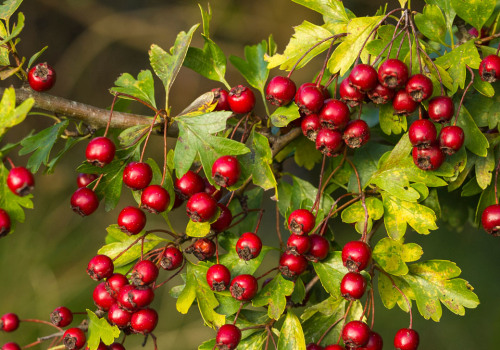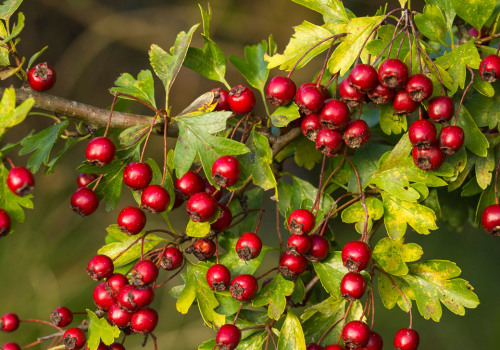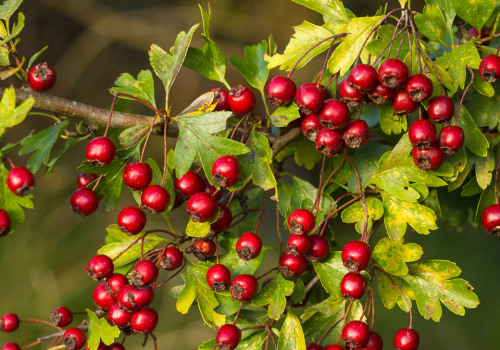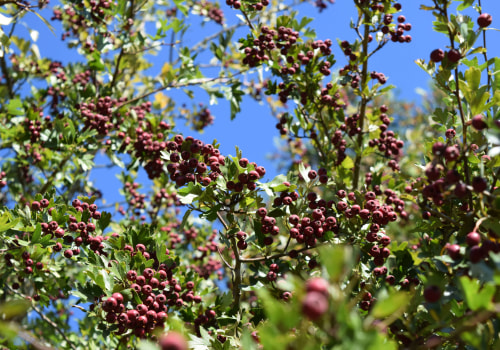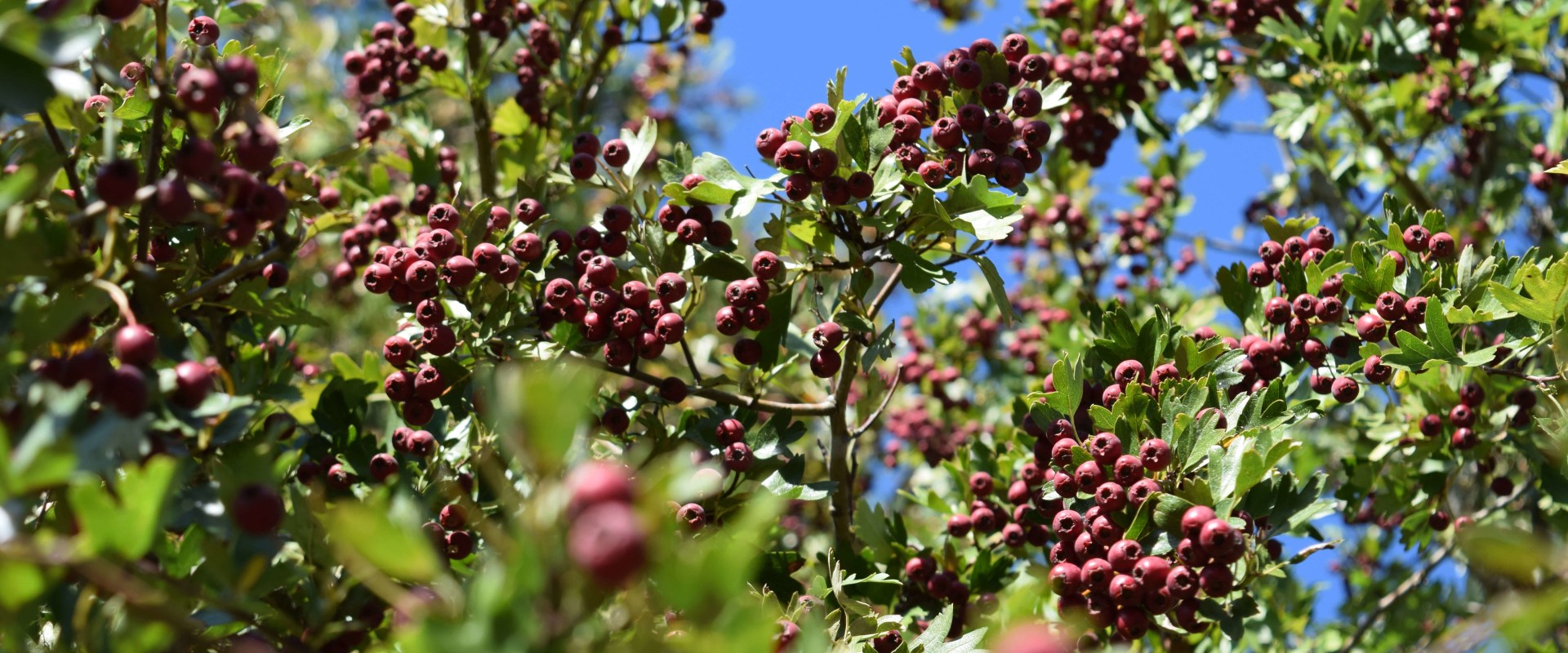
The hawthorn berry , derived from the Crataegus species, has been a cornerstone of herbal medicine for centuries, revered for its remarkable health benefits, particularly in relation to heart health. This small, red fruit is not only a staple in traditional remedies but also carries a rich history that dates back to ancient civilizations. The use of hawthorn can be traced to the Greeks and Romans, who recognized its potential in treating various ailments, especially those related to the cardiovascular system. Its historical significance is underscored by its frequent mention in ancient texts, where it was often associated with love and protection, symbolizing the heart's emotional and physical well-being. In traditional medicine practices across Europe and Asia, hawthorn has been utilized for its ability to strengthen the heart and improve circulation.
Herbalists have long praised its efficacy in managing conditions such as heart failure, high blood pressure, and even anxiety. The berries, leaves, and flowers of the hawthorn plant are all used in various preparations, showcasing its versatility as a natural remedy. This holistic approach to health reflects a deep understanding of the interconnectedness of body systems, particularly how emotional stress can impact heart health. As modern science begins to validate these age-old practices, numerous studies have emerged highlighting the hawthorn berry benefits. Research indicates that hawthorn may enhance cardiac function by improving blood flow and reducing symptoms associated with heart disease.
This growing body of evidence not only reinforces the historical uses of hawthorn but also positions it as a valuable ally in contemporary health regimens. With its rich heritage and promising therapeutic properties, hawthorn invites us to explore its potential further and unlock the secrets of this powerful berry.
Nutritional Profile of Hawthorn Berries
Hawthorn berries, scientifically known as Crataegus, are not only celebrated for their medicinal properties but also for their impressive nutritional profile. These small, red fruits are packed with essential vitamins, minerals, and antioxidants that contribute to their health benefits.Vitamins in Hawthorn Berries
- Vitamin C: One of the most notable vitamins found in hawthorn berries is vitamin C, a powerful antioxidant that plays a crucial role in immune function and skin health. This vitamin helps protect cells from oxidative stress and supports the body’s ability to heal.
- Vitamin B Complex: Hawthorn berries also contain several B vitamins, including B1 (thiamine), B2 (riboflavin), and B3 (niacin).
These vitamins are essential for energy metabolism and help maintain healthy nerve function.
Minerals Found in Hawthorn Berries
- Potassium: This mineral is vital for maintaining proper heart function and regulating blood pressure. Potassium helps balance sodium levels in the body, which is crucial for cardiovascular health.
- Magnesium: Another important mineral present in hawthorn berries, magnesium supports muscle function and energy production. It also plays a role in maintaining normal heart rhythm.
- Calcium: While not as abundant as potassium or magnesium, calcium is still present in hawthorn berries. It is essential for bone health and plays a role in blood clotting.
Antioxidants and Phytochemicals
In addition to vitamins and minerals, hawthorn berries are rich in antioxidants such as flavonoids and procyanidins.
These compounds are known for their ability to combat oxidative stress and inflammation in the body. The presence of these antioxidants contributes to the heart-strengthening benefits of hawthorn by improving blood circulation and reducing the risk of cardiovascular diseases. The combination of these nutrients makes hawthorn berries a valuable addition to any diet, particularly for those looking to enhance their heart health naturally. Incorporating hawthorn into your daily routine can provide a wealth of nutritional benefits that support overall well-being.
Heart Health Benefits of Hawthorn
Hawthorn has long been celebrated for its remarkable heart health benefits, making it a staple in both traditional and modern herbal medicine. This small berry, belonging to the Crataegus genus, is packed with bioactive compounds that contribute to its effectiveness in supporting cardiovascular function. One of the primary ways hawthorn promotes heart health is through its ability to regulate blood pressure.Studies have shown that hawthorn can help dilate blood vessels, which improves blood flow and reduces the strain on the heart. This vasodilatory effect is particularly beneficial for individuals suffering from hypertension, as it can lead to lower systolic and diastolic blood pressure readings. In addition to its impact on blood pressure, hawthorn is also known for its ability to improve cholesterol levels. Research indicates that hawthorn may help lower low-density lipoprotein (LDL) cholesterol, often referred to as "bad" cholesterol, while simultaneously increasing high-density lipoprotein (HDL) cholesterol, or "good" cholesterol. This dual action can significantly reduce the risk of atherosclerosis, a condition characterized by the buildup of plaque in the arteries, which can lead to serious cardiovascular events such as heart attacks and strokes. Moreover, hawthorn's antioxidant properties play a crucial role in protecting the heart.
The flavonoids and procyanidins found in hawthorn berries combat oxidative stress by neutralizing free radicals in the body. This protective mechanism not only helps maintain healthy blood vessels but also supports overall heart function by reducing inflammation and improving endothelial health. For those with existing heart disease , incorporating hawthorn into their regimen may offer additional benefits. Clinical studies have demonstrated that hawthorn extract can enhance cardiac output and exercise tolerance in patients with congestive heart failure. By improving the heart's efficiency, hawthorn may help alleviate symptoms such as fatigue and shortness of breath. In summary, the cardiovascular benefits of hawthorn are extensive and multifaceted.
From regulating blood pressure and cholesterol levels to providing antioxidant protection and enhancing heart function, this powerful berry serves as a natural ally for maintaining a healthy heart. As research continues to unveil its potential, hawthorn remains a promising option for those seeking to improve their cardiovascular health.
Mechanisms of Action: How Hawthorn Works
Understanding the mechanisms of hawthorn is crucial for appreciating its numerous health benefits, particularly in relation to heart health. The active compounds found in hawthorn berries, leaves, and flowers contribute to its therapeutic effects through several key mechanisms.1.Antioxidant Properties
Hawthorn is rich in antioxidants, including flavonoids and proanthocyanidins. These compounds play a vital role in neutralizing free radicals in the body, which can cause oxidative stress and damage cells.
By reducing oxidative stress, hawthorn helps protect the cardiovascular system from damage and may lower the risk of chronic diseases.
2.Vascular Health
One of the most significant benefits of hawthorn is its ability to improve vascular health. Hawthorn extracts have been shown to enhance endothelial function, which is essential for maintaining healthy blood vessels. This improvement is largely attributed to hawthorn's ability to increase nitric oxide (NO) production, a molecule that helps relax blood vessels and improve blood flow.
3.Blood Pressure Regulation
Hawthorn has been found to have a mild hypotensive effect, meaning it can help lower blood pressure. This effect is achieved through vasodilation, where the blood vessels widen, allowing for easier blood flow.
This mechanism not only aids in reducing hypertension but also contributes to overall heart health by decreasing the workload on the heart.
4.Cholesterol Management
Research indicates that hawthorn may assist in managing cholesterol levels by lowering low-density lipoprotein (LDL) cholesterol while potentially increasing high-density lipoprotein (HDL) cholesterol. This balance is crucial for reducing the risk of atherosclerosis and other cardiovascular diseases.
5.Anti-inflammatory Effects
The anti-inflammatory properties of hawthorn are another important aspect of its health benefits. Chronic inflammation is linked to various heart conditions, and hawthorn's ability to reduce inflammation can help mitigate these risks. By inhibiting inflammatory markers in the body, hawthorn supports overall cardiovascular health.
In summary, the benefits of hawthorn berries stem from their multifaceted mechanisms of action, including antioxidant activity, vascular enhancement, blood pressure regulation, cholesterol management, and anti-inflammatory effects.
These properties make hawthorn a valuable addition to any heart-healthy regimen.
Hawthorn in Traditional Medicine Practices
Hawthorn has a rich history in traditional medicine, with its use spanning various cultures and centuries. This small berry, belonging to the Crataegus genus, has been revered not only for its culinary uses but also for its remarkable health benefits, particularly concerning heart health. In ancient Greece, hawthorn was associated with the goddess of love, Aphrodite, symbolizing hope and protection. The Greeks utilized hawthorn for its medicinal properties, often employing it to treat heart-related ailments. They recognized the berry's potential to strengthen the heart and improve circulation, laying the groundwork for its modern applications. Similarly, in traditional Chinese medicine (TCM), hawthorn has been used for over a thousand years.Known as Shan Zha , it is commonly prescribed to aid digestion and alleviate symptoms of food stagnation. TCM practitioners also value hawthorn for its ability to invigorate blood flow and reduce cholesterol levels, making it a staple in herbal formulations aimed at promoting cardiovascular health. In Europe, particularly during the Middle Ages, hawthorn was often used as a remedy for heart conditions and anxiety. Herbalists would prepare tinctures and teas from the leaves, flowers, and berries of the plant. The infusion was believed to calm the nerves and support overall heart function.
This historical use is echoed in modern herbal practices where hawthorn is frequently included in blends designed to promote relaxation and emotional well-being. Native American tribes also recognized the value of hawthorn. They utilized various parts of the plant for medicinal purposes, including treating respiratory issues and digestive complaints. The berries were often consumed fresh or dried, while infusions made from the leaves were used to address various ailments. Today, the legacy of hawthorn continues as it finds its place in contemporary herbal medicine. Its historical significance not only highlights its enduring popularity but also underscores the importance of integrating traditional knowledge with modern scientific research.
As we explore the hawthorn berry benefits, it becomes clear that this humble fruit carries a wealth of wisdom from generations past.
Modern Research on Hawthorn Berry Benefits
Recent research has significantly advanced our understanding of the health benefits of hawthorn berries, particularly in relation to cardiovascular health. Numerous studies and clinical trials have been conducted to explore the efficacy of hawthorn in treating various heart-related conditions. One notable study published in the American Journal of Medicine examined the effects of hawthorn extract on patients with chronic heart failure. The results indicated that participants who received hawthorn experienced improved heart function and a reduction in symptoms compared to those who received a placebo. This study highlighted hawthorn's potential as a natural alternative for managing heart failure. Another significant clinical trial focused on the impact of hawthorn on blood pressure levels.Conducted over a period of 16 weeks, this trial involved participants with mild hypertension. The findings revealed that those taking hawthorn extract showed a marked decrease in both systolic and diastolic blood pressure, suggesting that hawthorn may help in managing hypertension effectively. In addition to its cardiovascular benefits, research has also explored hawthorn's role in reducing anxiety and improving overall mental well-being. A study published in the Journal of Clinical Psychopharmacology found that a combination of hawthorn extract and other herbal supplements significantly reduced anxiety levels among participants, indicating its potential as a natural remedy for stress-related conditions. The antioxidant properties of hawthorn have also been a focal point in modern research. Studies have shown that the flavonoids and procyanidins found in hawthorn berries can combat oxidative stress, which is linked to various chronic diseases, including heart disease.
By neutralizing free radicals, these compounds may contribute to overall heart health and longevity. Furthermore, ongoing research continues to investigate the mechanisms behind hawthorn's therapeutic effects. Scientists are particularly interested in how its active compounds enhance nitric oxide production, which plays a crucial role in vascular health by promoting blood vessel dilation and improving circulation. In summary, modern research supports the traditional uses of hawthorn berries, revealing their potential benefits for heart health, blood pressure regulation, anxiety reduction, and antioxidant protection. As more studies emerge, the credibility of hawthorn as a natural remedy continues to grow, making it an appealing option for those seeking holistic approaches to health.
How to Incorporate Hawthorn into Your Diet
Incorporating hawthorn berries into your diet can be both enjoyable and beneficial for your heart health. Here are some practical ways to include this powerful berry in your daily routine:1.Fresh Hawthorn Berries
If you have access to fresh hawthorn berries, they can be eaten raw.However, keep in mind that they have a tart flavor and a slightly grainy texture. To enhance their taste, consider mixing them with other fruits in a salad or blending them into a smoothie.
2.Hawthorn Berry Tea
One of the simplest ways to enjoy hawthorn is by making tea. Here’s how:- Ingredients: 1-2 teaspoons of dried hawthorn berries, 1 cup of boiling water.
- Instructions: Place the dried berries in a teapot or cup, pour boiling water over them, and let steep for 10-15 minutes. Strain and enjoy.
3.Hawthorn Berry Jam
Making jam is another delicious way to incorporate hawthorn into your diet.Here’s a simple recipe:
- Ingredients: 2 cups of hawthorn berries, 1 cup of sugar, 1/4 cup of lemon juice.
- Instructions: Cook the berries with sugar and lemon juice over medium heat until they break down and thicken. Pour into sterilized jars and let cool before sealing.
4.Hawthorn Supplements
If you prefer a more convenient option, hawthorn supplements are widely available in various forms, including capsules, tinctures, and extracts. When choosing a supplement, look for products standardized to contain specific amounts of active compounds like flavonoids and procyanidins for maximum benefit. Always consult with a healthcare professional before starting any new supplement regimen, especially if you are taking medications or have existing health conditions. By incorporating these methods into your diet, you can easily enjoy the numerous hawthorn berry benefits, supporting your heart health while adding variety to your meals.Potential Side Effects and Precautions When Using Hawthorn
While the benefits of hawthorn berries are well-documented, it is equally important to consider potential side effects and precautions associated with their use. Understanding these aspects can help individuals make informed decisions about incorporating hawthorn into their health regimen.Common Side Effects
- Gastrointestinal Issues: Some users may experience mild digestive disturbances, such as nausea, diarrhea, or stomach upset.
These symptoms are generally transient and may subside as the body adjusts to the herb.
- Dizziness: A few individuals have reported feelings of dizziness or lightheadedness, particularly when standing up quickly. This may be related to hawthorn's ability to lower blood pressure.
- Fatigue: In rare cases, some users might feel unusually tired or fatigued after taking hawthorn. This could be due to its effects on heart function and circulation.
Precautions When Using Hawthorn
Before adding hawthorn to your health routine, consider the following precautions:
- Consult a Healthcare Provider: It is crucial to speak with a healthcare professional before starting any new supplement, especially if you have existing health conditions or are taking medications.
- Medication Interactions: Hawthorn may interact with certain medications, particularly those for heart conditions, blood pressure medications, and anticoagulants. These interactions can enhance or diminish the effects of these drugs, leading to potential complications.
- Pregnancy and Breastfeeding: The safety of hawthorn during pregnancy and breastfeeding has not been thoroughly studied.
Therefore, it is advisable for pregnant or nursing women to avoid using hawthorn unless directed by a healthcare provider.
Safety of Hawthorn Berries
Overall, hawthorn berries are considered safe for most people when used appropriately. Adverse reactions are rare and typically mild. However, due diligence is essential. Always start with a lower dose to assess your body's response before gradually increasing it.
Monitoring your health and any changes in symptoms can help ensure a safe experience with this powerful herb. In conclusion, while the hawthorn berry benefits are significant, being aware of potential side effects and taking necessary precautions can enhance your overall experience and safety when using this natural remedy.
Frequently Asked Questions About Hawthorn Berries
Hawthorn berries have gained popularity for their numerous health benefits, particularly in relation to heart health. However, many people still have questions about this remarkable fruit. Below are some frequently asked questions that can help clarify common inquiries regarding hawthorn berries.What are hawthorn berries?
Hawthorn berries are small, red or yellow fruits that grow on the hawthorn tree, scientifically known as Crataegus. These berries have been used in traditional medicine for centuries, primarily for their cardiovascular benefits.They are rich in antioxidants, flavonoids, and other beneficial compounds that contribute to their healing properties.
What are the main hawthorn berry benefits?
- Heart Health: Hawthorn is renowned for its ability to improve heart function, lower blood pressure, and reduce cholesterol levels.
- Antioxidant Properties: The high antioxidant content helps combat oxidative stress and inflammation in the body.
- Digestive Aid: Hawthorn may also support digestive health by promoting better digestion and alleviating gastrointestinal discomfort.
- Anxiety Relief: Some studies suggest that hawthorn can help reduce anxiety levels when combined with other herbal remedies.
How can I consume hawthorn berries?
Hawthorn berries can be consumed in various forms, including:- Dried Berries: These can be eaten as a snack or added to cereals and salads.
- Tinctures: Liquid extracts of hawthorn are available and can be taken directly or mixed with water.
- Capsules: Hawthorn supplements in capsule form provide a convenient way to incorporate this herb into your daily routine.
- Teas: Brewing hawthorn leaves and flowers into a tea is another popular method of consumption.
Are there any side effects associated with hawthorn?
While hawthorn is generally considered safe for most people, some may experience mild side effects such as stomach upset or dizziness. It is advisable to consult with a healthcare professional before starting any new supplement, especially if you are pregnant, nursing, or taking medications for heart conditions.Can hawthorn interact with medications?
Yes, hawthorn may interact with certain medications, particularly those used for heart conditions or blood pressure. It is crucial to discuss any potential interactions with your healthcare provider to ensure safe use. This FAQ section aims to provide clarity on common questions about hawthorn berries and their benefits. If you have more inquiries or need personalized advice, consider reaching out to a healthcare professional knowledgeable about herbal remedies.Conclusion: Embracing the Healing Power of Hawthorn
In summary, the healing power of hawthorn is both profound and multifaceted, offering a range of benefits that can significantly enhance heart health and overall well-being.Throughout this article, we have explored the various ways in which hawthorn berries contribute to cardiovascular health, including their ability to improve heart function, lower blood pressure, and reduce cholesterol levels. These benefits are largely attributed to the rich array of flavonoids and procyanidins found in hawthorn, which work synergistically to promote vascular health. Moreover, hawthorn's anti-inflammatory and antioxidant properties further bolster its role as a natural remedy for heart-related issues. By combating oxidative stress and inflammation, hawthorn not only supports heart health but also contributes to improved digestion and general vitality. This versatility makes it an invaluable addition to any health regimen. As we embrace the potential of hawthorn, it is essential to consider how best to incorporate this remarkable berry into our daily lives.
Whether through supplements, teas, or culinary uses, there are numerous ways to enjoy the benefits of hawthorn. However, it is crucial to consult with a healthcare professional before starting any new supplement, especially for those with existing health conditions or those taking medications. In conclusion, integrating hawthorn berry benefits into your lifestyle can pave the way for a healthier heart and improved overall wellness. As research continues to unveil the extensive advantages of this ancient remedy, it becomes increasingly clear that hawthorn is not just a fleeting trend but a time-tested ally in our quest for better health. By embracing the healing power of hawthorn, we take a proactive step towards nurturing our hearts and enhancing our quality of life.