High blood pressure, also known as hypertension , is a silent yet pervasive health issue that affects millions of individuals globally. It is often referred to as a "silent killer" because it typically presents no symptoms until significant damage has occurred. According to the American Heart Association, nearly half of adults in the United States have hypertension, making it a critical public health concern. Understanding the implications of high blood pressure is essential for anyone looking to maintain their health and well-being. The causes of high blood pressure are multifaceted and can vary from person to person.
Common factors include genetic predisposition, poor dietary choices, lack of physical activity, obesity, excessive alcohol consumption, and chronic stress. Additionally, certain medical conditions such as diabetes and kidney disease can contribute to elevated blood pressure levels. As lifestyle choices play a significant role in the development of hypertension, awareness and proactive management are vital. Untreated high blood pressure can lead to severe health complications, including heart disease, stroke, kidney failure, and vision loss. The strain that hypertension places on the cardiovascular system can result in the hardening of arteries (atherosclerosis), which further exacerbates the risk of heart attacks and strokes.
Therefore, recognizing the importance of monitoring blood pressure and seeking effective remedies is crucial for reducing these risks. In light of these alarming statistics and potential health risks, it becomes imperative to explore natural alternatives for managing blood pressure. One such remedy that has garnered attention is hawthorn berryhawthorn berry , known for its numerous health benefits. By understanding the context of hypertension and its implications, readers can better appreciate the significance of incorporating effective solutions like hawthorn berry into their health regimen.
What is Hawthorn Berry?
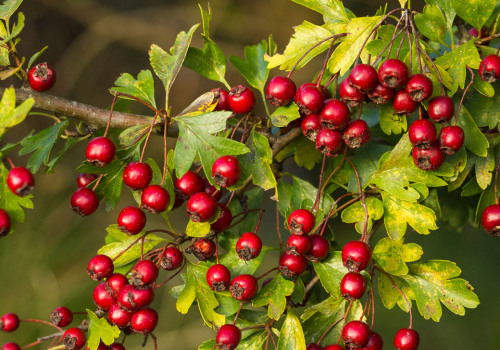
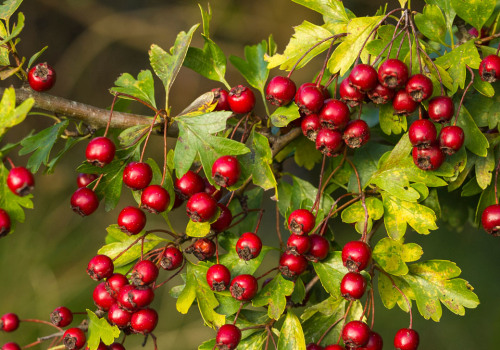
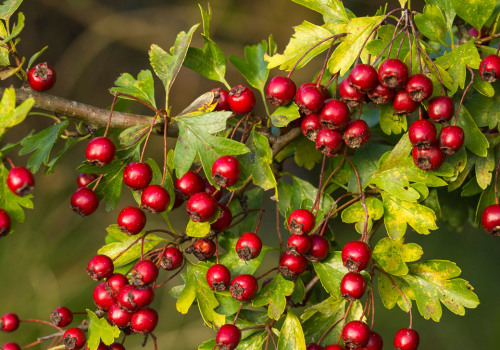
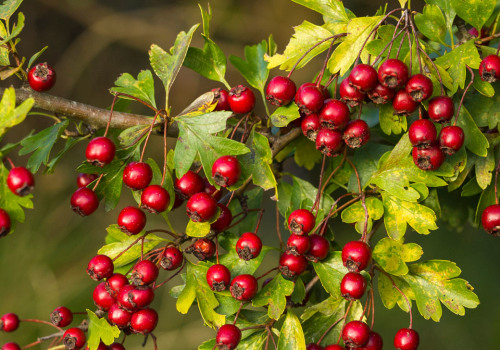
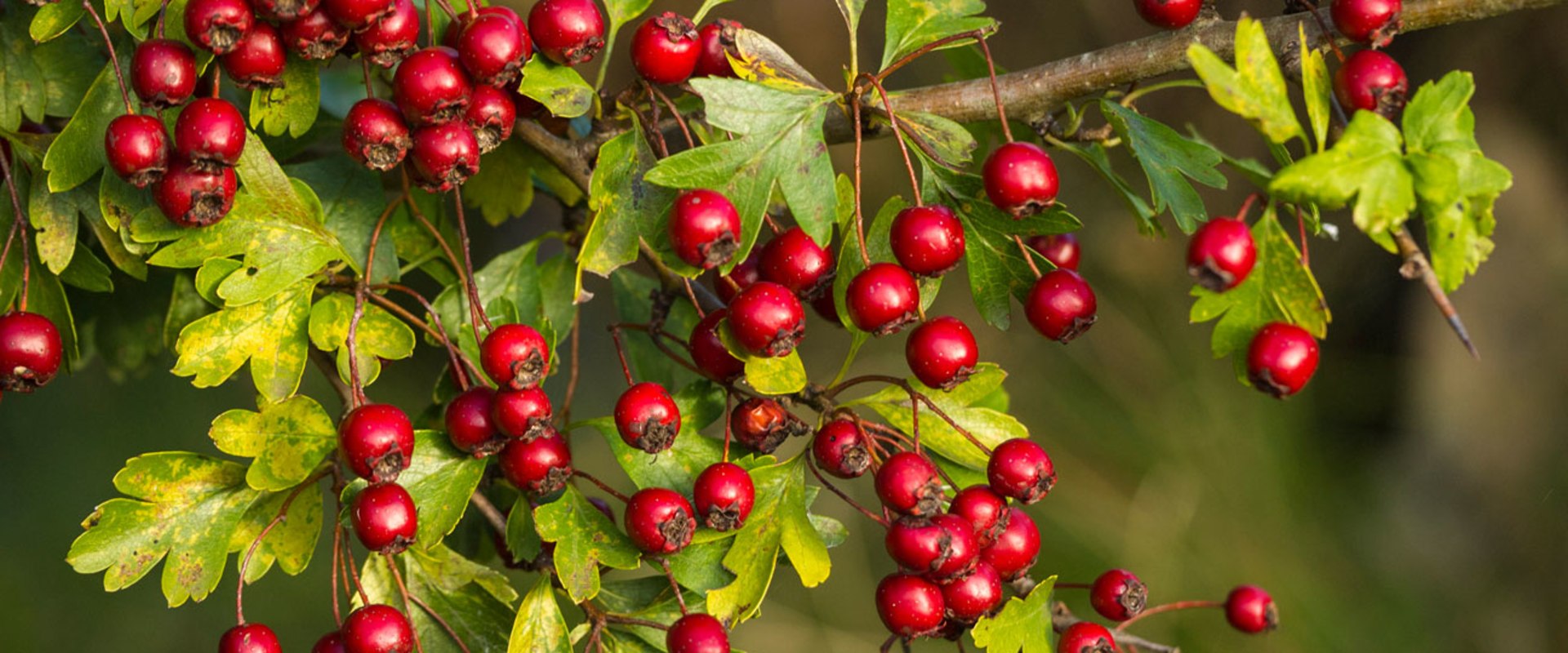
The hawthorn berry , scientifically known as Crataegus, is a small fruit that grows on thorny shrubs and trees belonging to the rose family. These plants are predominantly found in temperate regions of Europe, North America, and Asia.The berries, which are typically red or yellow, have been utilized for centuries in traditional medicine due to their numerous health benefits. Historically, hawthorn has been revered in various cultures for its medicinal properties. Ancient Greeks and Romans used it to treat heart-related ailments, while in traditional Chinese medicine, hawthorn berries have been employed to aid digestion and improve cardiovascular health. The use of hawthorn in herbal remedies can be traced back to the 1st century AD, showcasing its long-standing reputation as a natural treatment. Hawthorn berries are rich in antioxidants, flavonoids, and polyphenols, which contribute to their health-promoting effects. These compounds are believed to support heart health by improving blood circulation and reducing inflammation.
In addition to their cardiovascular benefits, hawthorn berries have also been used to alleviate digestive issues, anxiety, and even symptoms of respiratory conditions. In modern herbal medicine, hawthorn is commonly available in various forms, including extracts, capsules, teas, and tinctures. Each form offers unique advantages; for instance, teas provide a soothing experience while extracts may deliver concentrated doses of beneficial compounds. The versatility of hawthorn makes it an appealing option for those seeking natural remedies. As we delve deeper into the specific hawthorn berry benefits related to lowering blood pressure, it is essential to understand its origins and traditional uses. This foundation not only highlights the berry's historical significance but also sets the stage for exploring its potential as a natural alternative for managing hypertension.
The Nutritional Profile of Hawthorn Berry
Hawthorn berry, scientifically known as Crataegus, is not only celebrated for its potential health benefits but also for its impressive nutritional profile.This small, red fruit is packed with essential vitamins, minerals, and antioxidants that contribute to overall well-being.
Vitamins in Hawthorn Berry
One of the standout features of hawthorn berry is its rich vitamin content. It contains:- Vitamin C: This powerful antioxidant plays a crucial role in immune function and skin health. It helps protect cells from damage caused by free radicals and supports the body’s ability to absorb iron.
- Vitamin B Complex: Hawthorn berries are a source of several B vitamins, including B1 (thiamine), B2 (riboflavin), and B3 (niacin). These vitamins are vital for energy production, brain function, and maintaining healthy skin.
Minerals in Hawthorn Berry
In addition to vitamins, hawthorn berry is also rich in essential minerals that support various bodily functions:-
Potassium: This mineral is important for maintaining healthy blood pressure levels and proper muscle function.
It helps balance fluids in the body and supports nerve signaling.
- Magnesium: Known for its role in over 300 biochemical reactions in the body, magnesium contributes to muscle and nerve function, blood sugar control, and bone health.
- Calcium: Essential for strong bones and teeth, calcium also plays a role in blood clotting and muscle contraction.
Antioxidants and Phytochemicals
Beyond vitamins and minerals, hawthorn berry is rich in antioxidants such as flavonoids and oligomeric proanthocyanidins (OPCs). These compounds help combat oxidative stress and inflammation in the body. The presence of these antioxidants not only enhances cardiovascular health but also supports overall cellular health. The combination of these nutrients makes hawthorn berry a valuable addition to a balanced diet. By incorporating this nutrient-dense fruit into your routine, you can harness its potential benefits for heart health and overall wellness.How Hawthorn Berry Lowers Blood Pressure
Understanding how hawthorn berry contributes to lowering blood pressure involves delving into its complex mechanisms of action.This natural remedy has been utilized for centuries, and modern research is beginning to uncover the science behind its effectiveness. One of the primary ways hawthorn berry works is through its ability to promote blood vessel dilation. This process, known as vasodilation, occurs when the smooth muscles in the blood vessel walls relax, allowing the vessels to widen. As a result, blood can flow more freely, reducing the overall pressure exerted on the arterial walls. This is particularly beneficial for individuals suffering from hypertension, as it directly addresses one of the root causes of high blood pressure. Research indicates that hawthorn berry contains several active compounds, including flavonoids and oligomeric proanthocyanidins (OPCs), which are believed to play a significant role in this vasodilatory effect.
These compounds enhance the production of nitric oxide in the body, a molecule that signals blood vessels to relax and expand. Increased nitric oxide levels not only improve circulation but also contribute to better oxygen delivery throughout the body. In addition to promoting vasodilation, hawthorn berry may also improve cardiac function. Studies have shown that it can enhance the heart's pumping ability by increasing the efficiency of blood flow. This is particularly important for individuals with heart conditions or those at risk of cardiovascular diseases.
By improving heart function and reducing resistance in blood vessels, hawthorn berry helps maintain a healthy blood pressure level. Moreover, hawthorn berry exhibits antioxidant properties that combat oxidative stress in the cardiovascular system. Oxidative stress can lead to inflammation and damage to blood vessels, contributing to hypertension. By neutralizing free radicals, hawthorn berry helps protect blood vessels from damage, further supporting healthy blood pressure levels. In summary, the mechanisms by which hawthorn berry lowers blood pressure are multifaceted. Through blood vessel dilation , improved cardiac function, and antioxidant effects, this powerful berry offers a natural approach to managing hypertension.
As research continues to explore its benefits, hawthorn berry remains a promising option for those seeking alternative methods for maintaining healthy blood pressure.
Clinical Studies on Hawthorn Berry and Blood Pressure
Numerous clinical studies have explored the effects of hawthorn berry on blood pressure, providing valuable insights into its potential as a natural remedy for hypertension. These studies vary in design, duration, and participant demographics, but collectively they highlight the efficacy of hawthorn berry in managing blood pressure levels. One significant study published in the Journal of Cardiovascular Pharmacology involved 36 participants with mild hypertension. Over a period of 12 weeks, participants were administered a daily dose of 1,200 mg of hawthorn extract. The results indicated a notable reduction in both systolic and diastolic blood pressure, with an average decrease of 10 mmHg in systolic pressure and 7 mmHg in diastolic pressure.This study underscores the potential of hawthorn berry as a safe and effective option for those seeking to lower their blood pressure. Another comprehensive review analyzed data from 29 clinical trials involving over 5,500 participants. This systematic review found that hawthorn berry consistently produced significant reductions in blood pressure among individuals with mild to moderate hypertension. The review concluded that doses ranging from 160 mg to 1,800 mg per day were effective, particularly when taken for at least 12 weeks. A randomized controlled trial published in The American Journal of Medicine further supports these findings. In this study, participants with atherosclerosis were given hawthorn extract for six months.
The results showed not only a decrease in blood pressure but also an improvement in arterial function and a reduction in arterial plaque thickness. This suggests that hawthorn berry may not only help lower blood pressure but also improve overall cardiovascular health. Moreover, a study conducted on older adults demonstrated that hawthorn berry could enhance exercise tolerance and improve heart function without adverse effects. Participants reported feeling more energetic and experienced fewer symptoms related to heart conditions. While these studies provide promising evidence regarding the benefits of hawthorn berry, it is essential to note that individual responses may vary. Factors such as dosage, duration of use, and overall health can influence outcomes.
Therefore, consulting with a healthcare provider before starting any new supplement regimen is advisable. In summary, the clinical research surrounding hawthorn berry indicates its potential as an effective natural treatment for lowering blood pressure. With its ability to improve cardiovascular health and enhance overall well-being, hawthorn berry is gaining recognition as a valuable addition to hypertension management strategies.
Additional Health Benefits of Hawthorn Berry
While the primary focus on hawthorn berry benefits often revolves around its ability to lower blood pressure, this remarkable fruit offers a plethora of additional health advantages that contribute to overall well-being. Understanding these benefits can help individuals appreciate the full potential of incorporating hawthorn berry into their health regimen.Cardiovascular Health
Hawthorn berry is renowned for its positive effects on cardiovascular health. It contains a variety of bioactive compounds, including flavonoids and oligomeric proanthocyanidins, which are known to enhance heart function.These compounds work by:
- Dilating Blood Vessels: Hawthorn berry helps relax and widen blood vessels, improving blood flow and reducing the workload on the heart.
- Strengthening Heart Muscles: Research indicates that hawthorn may improve the contractility of heart muscles, making it easier for the heart to pump blood efficiently.
- Regulating Heart Rate: Some studies suggest that hawthorn can help stabilize heart rhythms, which is particularly beneficial for individuals with arrhythmias.
Anti-Inflammatory Properties
In addition to its cardiovascular benefits, hawthorn berry exhibits significant anti-inflammatory properties. Chronic inflammation is linked to various health issues, including heart disease, diabetes, and arthritis. The anti-inflammatory effects of hawthorn berry can be attributed to its rich antioxidant content, which helps combat oxidative stress in the body. Key points include:- Reducing Inflammation Markers: Studies have shown that hawthorn extract can lower levels of inflammatory markers in the body, potentially reducing the risk of chronic diseases.
- Supporting Immune Function: By mitigating inflammation, hawthorn may also support a healthy immune response, helping the body fend off infections and illnesses.
- Enhancing Recovery: For individuals recovering from injuries or surgeries, hawthorn's anti-inflammatory properties may aid in faster recovery by reducing swelling and pain.
As research continues to unveil its potential benefits, incorporating this powerful berry into your diet could be a proactive step towards enhancing your overall health.
How to Incorporate Hawthorn Berry into Your Diet
Incorporating hawthorn berry into your daily diet can be both enjoyable and beneficial for your health. Whether you prefer to consume it in its natural form, as a supplement, or through delicious recipes, there are numerous ways to make this powerful berry a part of your routine.1.Fresh Hawthorn Berries
If you have access to fresh hawthorn berries, they can be eaten raw. However, keep in mind that they have a tart flavor and a slightly grainy texture. To enhance their taste, consider:
- Mixing them into smoothies for a nutrient boost.
- Adding them to yogurt or oatmeal for breakfast.
- Using them as a topping for salads to add a unique flavor.
2.Dried Hawthorn Berries
Dried hawthorn berries are more widely available and can be used in various culinary applications.
Here are some ideas:
- Tea: Steep dried hawthorn berries in hot water for 10-15 minutes to create a soothing tea. You can add honey or lemon for extra flavor.
- Baking: Incorporate dried hawthorn berries into muffins, bread, or granola bars for added sweetness and nutrition.
- Snacks: Mix dried hawthorn berries with nuts and seeds for a healthy trail mix.
3.Hawthorn Berry Supplements
If you prefer a more concentrated form, hawthorn berry supplements are available in capsules, tablets, or liquid extracts. When choosing supplements, consider the following:
- Dosage Recommendations: Typical dosages range from 160 mg to 1,800 mg per day, depending on the form and concentration. It’s advisable to start with a lower dose and gradually increase it while monitoring your body’s response.
- Consultation: Always consult with a healthcare provider before starting any new supplement regimen, especially if you are taking other medications or have underlying health conditions.
4.Recipes Featuring Hawthorn Berry
Here are two simple recipes that highlight the versatility of hawthorn berry:
-
Hawthorn Berry Jam:
Combine 2 cups of fresh or dried hawthorn berries with 1 cup of sugar and the juice of one lemon in a saucepan.Cook over medium heat until the mixture thickens, stirring frequently. Pour into sterilized jars and let cool before sealing.
-
Hawthorn Berry Smoothie:
Blend 1 cup of frozen mixed berries, 1 banana, 1 tablespoon of dried hawthorn berries (or 1 teaspoon of extract), and 1 cup of almond milk until smooth. Enjoy as a refreshing breakfast or snack!
Potential Side Effects and Considerations
While hawthorn berry is widely recognized for its potential benefits in managing blood pressure and promoting cardiovascular health, it is essential to consider any possible side effects and safety concerns associated with its use.Understanding these factors can help individuals make informed decisions about incorporating hawthorn berry into their health regimen.
Potential Side Effects
Most individuals tolerate hawthorn berry well, but some may experience mild side effects. Commonly reported side effects include:- Dizziness: Some users may feel lightheaded, especially when standing up quickly.
- Nausea: A few individuals have reported gastrointestinal discomfort, including nausea or upset stomach.
- Fatigue: In rare cases, users may experience unusual tiredness or lethargy.
- Headaches: Some people have noted headaches after taking hawthorn berry supplements.
Safety Considerations
When considering the use of hawthorn berry, it is crucial to take into account certain safety considerations:- Drug Interactions: Hawthorn berry may interact with various medications, particularly those used for heart conditions, blood pressure medications, and anticoagulants. It is vital to discuss with a healthcare provider before starting hawthorn berry if you are on any of these medications.
- Pregnancy and Breastfeeding: There is limited research on the safety of hawthorn berry during pregnancy and breastfeeding. Therefore, it is recommended that pregnant or nursing women avoid using this supplement unless advised by a healthcare professional.
- Surgery Considerations: Due to its potential effects on blood pressure and blood clotting, it is advisable to discontinue hawthorn berry at least two weeks before any scheduled surgery.
Contraindications
Certain individuals should exercise caution or avoid using hawthorn berry altogether.These include:
- Individuals with Allergies: Those who are allergic to plants in the rose family (Rosaceae) should avoid hawthorn berry.
- People with Low Blood Pressure: Since hawthorn can lower blood pressure, individuals with hypotension should consult a healthcare provider before use.
Consulting with Healthcare Professionals
When considering the incorporation of hawthorn berry into your health regimen, it is crucial to consult with a healthcare professional. This step is essential for several reasons, particularly when it comes to ensuring the safe and effective use of herbal remedies.Understanding Individual Health Needs
Every individual has unique health circumstances, including pre-existing conditions, medications, and overall health status. A healthcare provider can assess these factors and determine whether hawthorn berry is a suitable option for you.
For instance, those with heart conditions or those taking medications that affect blood pressure should be particularly cautious.
Potential Interactions with Medications
Hawthorn berry may interact with certain medications, especially those prescribed for heart conditions or hypertension. These interactions can lead to either enhanced effects or diminished efficacy of the medications. Consulting a doctor ensures that you are aware of any potential risks and can make informed decisions about your health.
Guidance on Dosage and Duration
A healthcare professional can provide personalized advice on the appropriate dosage and duration of hawthorn berry supplementation. While studies suggest effective doses ranging from 160 to 1,800 mg per day, individual needs may vary significantly.
A professional can help tailor this to your specific situation, ensuring you receive the maximum benefits while minimizing risks.
Monitoring Health Progress
Regular check-ins with your healthcare provider while using hawthorn berry can help monitor its effects on your blood pressure and overall health. This ongoing assessment allows for adjustments in dosage or alternative treatments if necessary, ensuring that your approach to managing blood pressure remains effective.
Safe Use of Herbal Remedies
- Always discuss any new supplements with your healthcare provider.
- Be transparent about all medications and supplements you are currently taking.
- Follow recommended dosages and guidelines provided by your healthcare professional.
- Report any adverse effects or unusual symptoms immediately.
Conclusion: The Promise of Hawthorn Berry for Blood Pressure Management
In summary, the exploration of hawthorn berry benefits for blood pressure management reveals a wealth of promising potential. This natural remedy, steeped in centuries of traditional use, has garnered attention from modern science for its ability to support cardiovascular health.The evidence suggests that hawthorn berry can effectively lower blood pressure, particularly in individuals with mild hypertension, making it a viable alternative or complement to conventional medications. Key findings from various studies indicate that hawthorn berry works primarily by:
- Dilating blood vessels: This action enhances blood flow and reduces the strain on the heart, contributing to lower blood pressure levels.
- Reducing arterial plaque: Research has shown that hawthorn extract can decrease the thickness of harmful plaque in arteries, which is crucial for maintaining healthy blood circulation.
- Exhibiting anti-inflammatory properties: By mitigating inflammation, hawthorn berry may further protect cardiovascular health and improve overall well-being.
As more studies emerge, we may find even greater insights into how this remarkable berry can enhance our health and well-being.