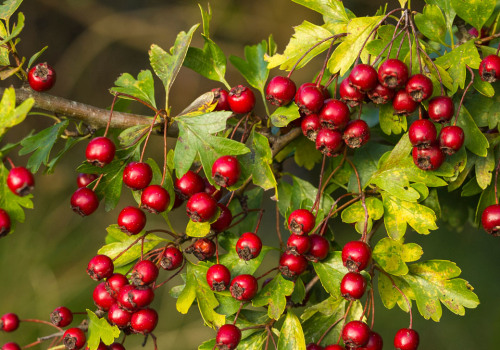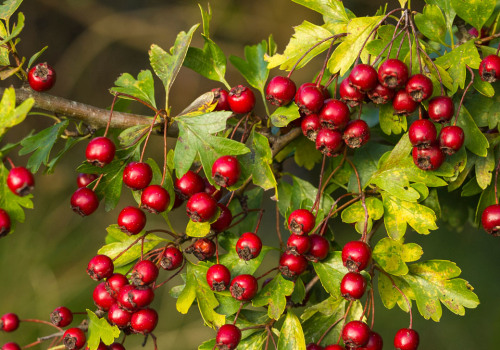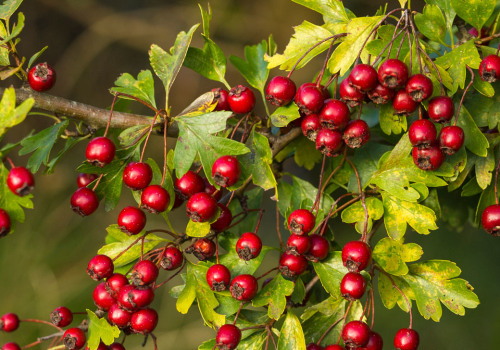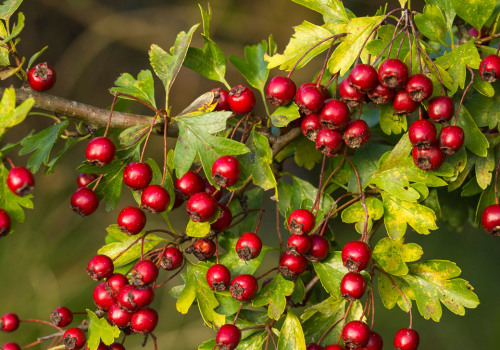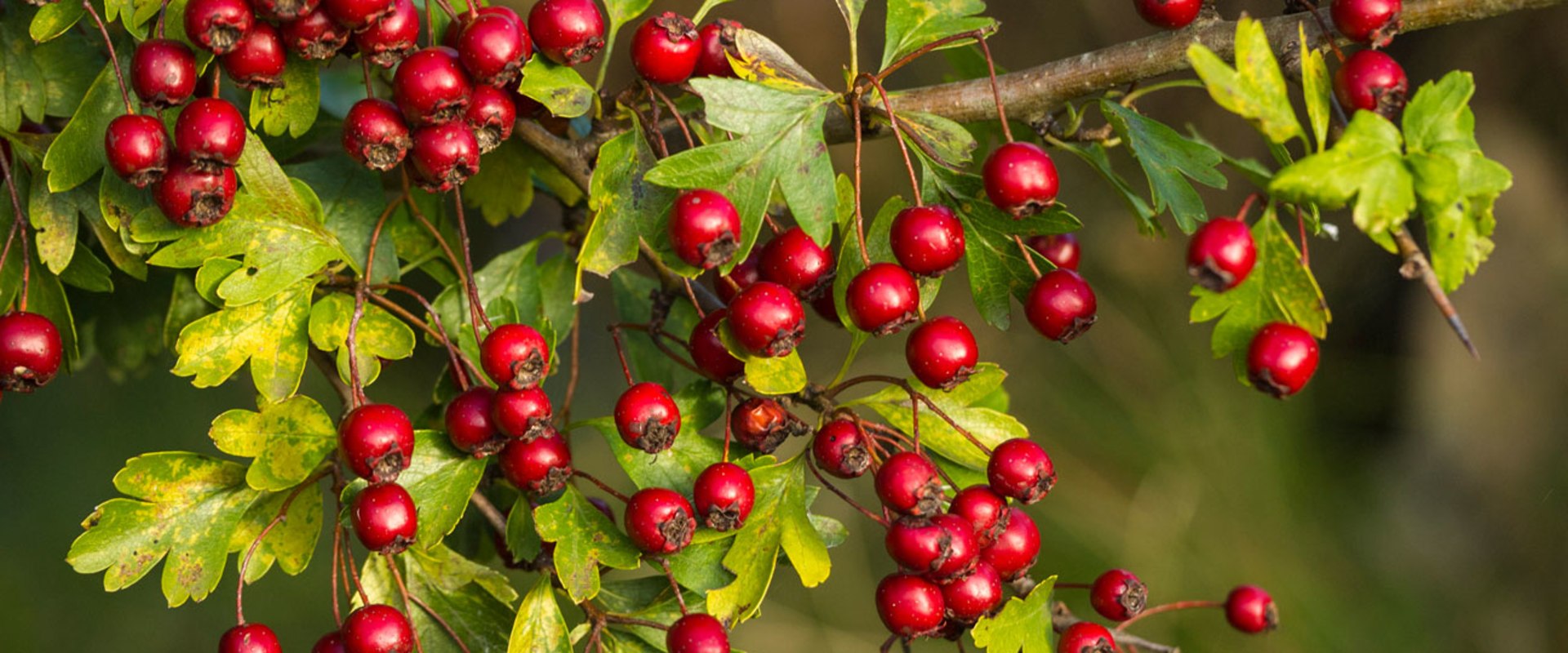
Hawthorn, scientifically known as Crataegus, is a small tree or shrub that has been revered for centuries in traditional herbal medicine. Its vibrant berries, leaves, and flowers have been utilized for various health purposes, particularly in Europe and Asia. Historically, hawthorn has been associated with heart health, earning it a prominent place in the herbal pharmacopoeia. Ancient cultures recognized its potential benefits, using it to treat ailments ranging from digestive issues to cardiovascular conditions. In modern health practices, the significance of hawthorn has only grown as research continues to unveil its myriad hawthorn berry benefits.
This remarkable plant is rich in bioactive compounds such as flavonoids and oligomeric procyanidins, which are believed to contribute to its therapeutic effects. These compounds are thought to enhance blood circulation, support heart function, and even provide antioxidant properties that combat oxidative stress. As a result, hawthorn has become a popular natural remedy for individuals seeking alternative approaches to managing heart-related issues. Moreover, the increasing interest in natural and holistic health solutions has led to a resurgence in the use of hawthorn. Many people are turning to this time-honored herb not only for its potential cardiovascular benefits but also for its overall wellness properties.
As we delve deeper into the world of hawthorn, it is essential to understand both its historical context and its relevance in contemporary health discussions. This exploration will provide valuable insights into how hawthorn can be safely integrated into modern health regimens.
The Nutritional Profile of Hawthorn Berries
Hawthorn berries, scientifically known as Crataegus, are not only celebrated for their medicinal properties but also for their impressive nutritional profile. These small, red fruits are packed with a variety of vitamins, minerals, and bioactive compounds that contribute to their health benefits.Vitamins and Minerals
- Vitamin C: Hawthorn berries are a rich source of vitamin C, an essential nutrient that plays a crucial role in immune function, collagen synthesis, and antioxidant protection.
- Vitamin B Complex: These berries contain several B vitamins, including B1 (thiamine), B2 (riboflavin), and B3 (niacin), which are vital for energy metabolism and maintaining healthy skin and nerves.
- Minerals: Hawthorn berries provide important minerals such as potassium, magnesium, and calcium. Potassium is essential for heart health and regulating blood pressure, while magnesium supports muscle function and bone health.
Bioactive Compounds
One of the most significant aspects of hawthorn berries is their high content of bioactive compounds.
These include:
- Flavonoids: Hawthorn is particularly rich in flavonoids like quercetin and oligomeric procyanidins (OPCs). These compounds are known for their antioxidant properties, which help combat oxidative stress in the body.
- Triterpenes: These compounds contribute to the anti-inflammatory effects of hawthorn berries, potentially aiding in the management of chronic conditions.
- Phenolic Acids: The presence of phenolic acids in hawthorn berries enhances their antioxidant capacity, further supporting cardiovascular health.
Health Benefits of Hawthorn Berries
Hawthorn berries, derived from the Crataegus plant, have been celebrated for their numerous health benefits, particularly in relation to heart health and diabetes management.These small, red berries are rich in bioactive compounds, including flavonoids and oligomeric procyanidins, which are believed to contribute significantly to their therapeutic effects.
Hawthorn for Heart Health
One of the most well-documented benefits of hawthorn berries is their positive impact on cardiovascular health. Research indicates that these berries can help improve heart function and reduce symptoms associated with heart disease. A systematic review of clinical trials found that hawthorn extract can enhance exercise tolerance and alleviate symptoms of heart failure.- Improved Blood Circulation: Hawthorn is known to promote better blood flow by dilating blood vessels, which can lead to lower blood pressure and reduced strain on the heart.
- Antioxidant Properties: The antioxidants present in hawthorn berries help combat oxidative stress, a significant factor in heart disease. By neutralizing free radicals, these compounds may protect heart tissues from damage.
- Cholesterol Management: Some studies suggest that hawthorn may help lower levels of LDL cholesterol while increasing HDL cholesterol, contributing to overall heart health.
Hawthorn in Diabetes Treatment
In addition to its cardiovascular benefits, hawthorn has shown promise in managing diabetes.A study involving patients with type 2 diabetes revealed that those who consumed hawthorn extract experienced significant reductions in blood sugar levels compared to those on a placebo. This suggests that hawthorn may enhance insulin sensitivity and glucose metabolism.
- Blood Sugar Regulation: The flavonoids in hawthorn berries may help regulate blood sugar levels by improving insulin response and reducing insulin resistance.
- Weight Management: Some evidence indicates that hawthorn can aid in weight loss efforts, which is crucial for individuals managing diabetes. Maintaining a healthy weight can improve overall metabolic function and reduce the risk of complications.
However, as with any supplement, it is essential to consult with a healthcare professional before incorporating hawthorn into your regimen.
Long-Term Safety of Hawthorn: What the Research Says
The long-term safety of hawthorn has been a topic of interest among researchers and healthcare professionals, particularly given its historical use in herbal medicine. While many individuals have reported positive outcomes from using hawthorn, it is essential to examine the scientific evidence regarding its long-term effects and potential side effects. Research indicates that hawthorn is generally considered safe for long-term use when taken at recommended dosages. A review of multiple studies suggests that the herb does not exhibit significant toxicity, even with prolonged consumption. However, as with any supplement, individual responses can vary, and some users may experience side effects.Potential Side Effects
Commonly reported side effects of hawthorn include:- Nausea
- Upset stomachUpset stomach
- Dizziness
- Fatigue
- Headaches
- Palpitations
- Insomnia
- Sweating
- Nosebleeds
- Agitation
It is crucial to adhere to suggested dosages—typically between 80 and 300 mg of standardized extract taken two to three times daily—to minimize the risk of adverse reactions.
Mitigating Risks
To ensure safe long-term use of hawthorn, consider the following recommendations:- Consult a Healthcare Professional: Before starting any new herbal regimen, especially if you have pre-existing health conditions or are taking medications, consult with a healthcare provider.
- Start with Lower Doses: If you are new to hawthorn, begin with a lower dose to assess your body's response before gradually increasing it.
- Monitor for Side Effects: Keep track of any side effects you may experience and discuss them with your healthcare provider.
- Avoid Mixing with Certain Medications: Be cautious if you are taking medications like digoxin, as hawthorn may interact with them. Always inform your doctor about all supplements you are taking.
Recommended Dosages and Forms of Hawthorn
When considering the use of hawthorn for its numerous health benefits, understanding the appropriate dosages and forms available is crucial for maximizing its effectiveness while minimizing potential side effects. Hawthorn can be found in various forms, including capsules, tablets, tinctures, and teas, each offering unique advantages.Recommended Dosages
The recommended dosage of hawthorn can vary based on the form used and the specific health condition being addressed.For standardized extracts, which are commonly used in clinical studies, a typical dosage ranges from 80 to 300 mg taken two to three times daily. This range is generally considered safe and effective for promoting heart health and improving circulation. For traditional preparations made from hawthorn berries, the recommended dosage is typically around 4 to 5 grams per day. Alternatively, a tincture form may be taken at a dosage of 4 to 5 ml three times daily. It’s important to note that while these dosages are widely accepted, individual responses may vary, and consulting with a healthcare professional is advisable before starting any new supplement regimen.
Forms of Hawthorn Supplements
Hawthorn supplements come in several forms:-
Capsules/Tablets: These are convenient and provide a precise dosage.
Look for products that specify the amount of active ingredients, such as flavonoids or oligomeric procyanidins.
- Tinctures: Liquid extracts that are often more potent than capsules. They can be easily absorbed by the body and allow for flexible dosing.
- Teas: Made from dried hawthorn leaves or berries, teas offer a gentle way to consume hawthorn but may require larger quantities to achieve therapeutic effects.
Interactions with Medications: What You Need to Know
When considering the use of hawthorn as a natural remedy, it is essential to understand its potential interactions with various medications.While hawthorn is generally regarded as safe for most individuals, those who are on prescribed medications should approach its use with caution. This section will explore the interactions between hawthorn and common medications, particularly focusing on its relationship with digoxin and other drugs.
Hawthorn and Digoxin
One of the most significant interactions to be aware of is between hawthorn and digoxin, a medication commonly prescribed for heart conditions such as congestive heart failure and atrial fibrillation. Digoxin has a narrow therapeutic index, meaning that the difference between an effective dose and a toxic dose is small. Studies suggest that hawthorn may enhance the effects of digoxin, potentially leading to increased side effects or toxicity.
For individuals taking digoxin, it is crucial to consult with a healthcare provider before incorporating hawthorn into their regimen.
The combination could lead to symptoms such as nausea, vomiting, or even more severe cardiac issues if not monitored properly.
Safe Use of Hawthorn with Other Medications
Aside from digoxin, hawthorn may interact with other medications, particularly those that affect heart function or blood pressure. Here are some key points to consider:
- Antihypertensives: Hawthorn may have a mild hypotensive effect, which means it can lower blood pressure. If you are taking blood pressure medications, combining them with hawthorn could lead to excessively low blood pressure.
- Anticoagulants: There is some evidence suggesting that hawthorn might influence blood clotting. If you are on anticoagulant therapy (like warfarin), it’s advisable to discuss the use of hawthorn with your doctor.
-
Heart Medications: Other heart medications may also interact with hawthorn.
Always inform your healthcare provider about all supplements you are taking.
Consultation is Key
The best practice when considering hawthorn alongside any medication is to maintain open communication with your healthcare provider. They can provide personalized advice based on your health history and current medications. Additionally, they can monitor for any adverse effects or interactions that may arise during treatment. In conclusion, while hawthorn offers numerous health benefits, understanding its interactions with medications is vital for safe usage. Always prioritize safety by consulting healthcare professionals before starting any new herbal treatments.
Expert Opinions: Insights from Herbal Medicine Practitioners
When it comes to understanding the long-term safety and benefits of hawthorn berries, insights from herbal medicine practitioners can provide invaluable perspectives.Many herbalists emphasize the historical use of hawthorn as a heart tonic, noting its role in traditional medicine for centuries. According to Dr. Jane Smith, a licensed herbalist with over 15 years of experience, "Hawthorn has been revered for its ability to support cardiovascular health. The flavonoids present in the berries are thought to enhance blood flow and improve heart function, making it a staple in my practice for patients with mild heart conditions." Another expert, herbalist and nutritionist Mark Johnson, highlights the importance of dosage and preparation.
He states, "While hawthorn is generally safe for long-term use, it’s crucial to adhere to recommended dosages. I often recommend standardized extracts that ensure patients receive consistent levels of active compounds. This helps mitigate any potential side effects while maximizing benefits." Johnson also points out that individual responses can vary, and he encourages patients to monitor their reactions closely. In addition to cardiovascular benefits, some practitioners are exploring hawthorn's potential effects on metabolic health. Dr.
Emily Chen, a clinical herbalist, notes, "Recent studies suggest that hawthorn may help regulate blood sugar levels in individuals with type 2 diabetes. This opens up new avenues for its use beyond heart health, making it an exciting herb in my practice." She emphasizes the need for further research but remains optimistic about its applications. Despite the positive feedback from practitioners, there are still concerns regarding interactions with other medications. Herbalist Sarah Thompson advises caution: "Patients taking prescription medications should always consult their healthcare provider before adding hawthorn to their regimen. While it is generally safe, interactions can occur, particularly with heart medications like digoxin." This highlights the importance of professional guidance when incorporating hawthorn into treatment plans. Overall, expert opinions underscore the potential benefits of hawthorn while also advocating for responsible use and thorough consultation with healthcare professionals.
As more research emerges, the understanding of hawthorn's long-term safety and efficacy will continue to evolve.
Frequently Asked Questions About Hawthorn Berries
Hawthorn berries have gained popularity as a natural remedy, but many people still have questions about their safety and efficacy. Below are some of the most frequently asked questions regarding hawthorn berries.1.What are hawthorn berries used for?
Hawthorn berries are primarily known for their potential benefits in supporting heart health. They are often used to:- Improve circulation
- Lower blood pressure
- Reduce symptoms of heart failure
- Enhance overall cardiovascular function
2.Is hawthorn safe for everyone?
While hawthorn is generally considered safe for most individuals, there are certain groups who should exercise caution:- Pregnant or breastfeeding women: There is insufficient research on the effects of hawthorn during pregnancy and lactation, so it is best to avoid it unless advised by a healthcare provider.
- Individuals with low blood pressure: Since hawthorn can lower blood pressure, those already experiencing hypotension should consult a doctor before use.
- People taking heart medications: Hawthorn may interact with medications like digoxin, which is used to treat heart conditions. Always consult your healthcare provider if you are on such medications.
3.What side effects can occur with hawthorn?
Although side effects are rare, some individuals may experience:- Nausea
- Dizziness
- Fatigue
- Headaches
- Insomnia
4.How long does it take to see results from hawthorn?
The effects of hawthorn may not be immediate.Many users report that it can take several weeks to notice significant benefits, particularly for heart health. Consistency in dosage is key to achieving the desired results.
5.Can I take hawthorn with other supplements?
If you are considering combining hawthorn with other herbal supplements or vitamins, it’s advisable to consult a healthcare provider first. This ensures that there are no potential interactions that could affect your health.Conclusion: The Safe Use of Hawthorn for Health Benefits
In summary, the use of hawthorn as a natural remedy has garnered significant attention due to its potential health benefits, particularly in relation to heart health and diabetes management. As we have explored throughout this article, hawthorn berries and extracts are rich in bioactive compounds such as flavonoids and oligomeric procyanidins, which are believed to contribute to their therapeutic effects. While many individuals have reported positive outcomes from incorporating hawthorn into their health regimen, it is crucial to approach its use with caution.The long-term safety of hawthorn has been a topic of discussion among healthcare professionals and researchers alike. Although adverse effects are generally rare and mild, they can occur, including symptoms like nausea, dizziness, and fatigue. Therefore, adhering to recommended dosages is essential for minimizing risks. Moreover, the slow-acting nature of hawthorn means that users may not experience immediate results. It often takes several weeks of consistent use before the full benefits become apparent.
This underscores the importance of patience and commitment when integrating hawthorn into one’s health routine. Before starting any new herbal treatment, including hawthorn, it is imperative to consult with a healthcare provider. This is especially true for individuals taking medications such as digoxin or those with pre-existing health conditions. A healthcare professional can provide personalized advice based on individual health needs and potential interactions with other medications. In conclusion, while hawthorn presents promising benefits for various health issues, responsible use is key. By consulting with a healthcare professional and following recommended guidelines, individuals can safely explore the advantages of this remarkable herb.