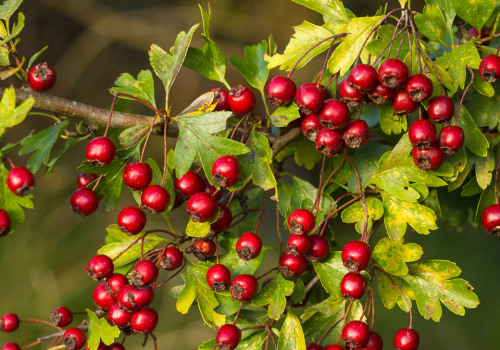
Hawthorn, scientifically known as Crataegus, is a small fruit that has captured the attention of herbalists and health enthusiasts for centuries. This unassuming berry, often found in shades of red, yellow, or black, is not just a delightful addition to the landscape; it has a rich history steeped in traditional medicine. Ancient cultures recognized the potential of hawthorn, using it to treat various ailments ranging from digestive issues to heart conditions. Its historical significance is profound, as it has been a staple in herbal remedies across Europe, Asia, and North America. The use of hawthorn dates back to ancient Greece, where it was associated with love and protection.
The Greeks believed that hawthorn could ward off evil spirits and bring good fortune. In medieval times, it was commonly used in folk medicine to treat heart-related ailments, earning its reputation as a heart tonic. Traditional healers often prepared hawthorn infusions and tinctures to harness its therapeutic properties, laying the groundwork for modern herbal practices. Today, the hawthorn berry benefits are being rediscovered by contemporary health enthusiasts and researchers alike. Studies have shown that this small fruit is packed with antioxidants and bioactive compounds that may support cardiovascular health, improve circulation, and even aid in digestion.
As we delve deeper into the remarkable properties of hawthorn, it becomes clear that this ancient remedy holds valuable insights for modern wellness. Incorporating hawthorn into our diets can be both delicious and beneficial. Whether enjoyed as a tea, extract, or in culinary dishes, the versatility of hawthorn makes it an appealing choice for those seeking natural health solutions. As we explore the myriad benefits of this extraordinary berry, we invite you to join us on a journey through its historical roots and discover how it can enhance your well-being today.
Nutritional Profile of Hawthorn Berries
Hawthorn berries, often celebrated for their medicinal properties, also boast a remarkable nutritional profile that contributes to their health benefits. These small, red fruits are not only delicious but also packed with essential nutrients that support overall well-being.Vitamins in Hawthorn Berries
-
Vitamin C: One of the most notable vitamins found in hawthorn berries is vitamin C, a powerful antioxidant that plays a crucial role in immune function, skin health, and collagen production.
This vitamin helps protect the body from oxidative stress and supports the healing process.
- B Vitamins: Hawthorn berries contain several B vitamins, including B1 (thiamine), B2 (riboflavin), and B3 (niacin). These vitamins are essential for energy metabolism, brain function, and maintaining healthy skin.
- Vitamin E: Another antioxidant present in hawthorn is vitamin E, which helps protect cells from damage and supports cardiovascular health.
Minerals in Hawthorn Berries
- Potassium: This mineral is vital for maintaining proper heart function and regulating blood pressure. Hawthorn berries provide a good source of potassium, which can help balance sodium levels in the body.
- Calcium: Important for bone health and muscle function, calcium is another mineral found in hawthorn berries. Adequate calcium intake is essential for preventing osteoporosis and maintaining strong bones.
-
Magnesium: This mineral plays a key role in over 300 biochemical reactions in the body, including energy production and muscle contraction.
Magnesium also helps regulate blood pressure and supports heart health.
Antioxidants in Hawthorn Berries
In addition to vitamins and minerals, hawthorn berries are rich in antioxidants such as flavonoids and phenolic acids. These compounds help combat free radicals in the body, reducing inflammation and lowering the risk of chronic diseases. The presence of these antioxidants enhances the overall nutritional value of hawthorn berries, making them a potent addition to any diet. In summary, the nutritional value of hawthorn berries is impressive, with a variety of vitamins, minerals, and antioxidants that contribute to their numerous health benefits. Incorporating these berries into your diet can be an excellent way to boost your nutrient intake while enjoying their unique flavor.
Cardiovascular Health Benefits of Hawthorn
Hawthorn has long been recognized for its remarkable cardiovascular health benefits, making it a popular choice among those seeking natural remedies for heart-related issues.This small red fruit, derived from the Crataegus plant, is packed with bioactive compounds that contribute to its effectiveness in promoting heart health. One of the primary ways hawthorn supports cardiovascular health is through its ability to improve blood circulation. Research indicates that hawthorn can enhance coronary artery blood flow, which is crucial for delivering oxygen and nutrients to the heart muscle. This improved circulation can help alleviate symptoms of angina and other heart-related conditions. Moreover, hawthorn has been shown to have a positive impact on blood pressure. Studies suggest that the flavonoids and oligomeric proanthocyanidins found in hawthorn may help relax blood vessels, leading to a reduction in blood pressure levels.
This vasodilatory effect not only aids in lowering hypertension but also contributes to overall heart health by reducing the strain on the cardiovascular system. In addition to its effects on blood pressure, hawthorn may also play a role in managing cholesterol levels. Some studies have indicated that hawthorn can help lower total cholesterol and triglyceride levels while increasing high-density lipoprotein (HDL) cholesterol, often referred to as "good" cholesterol. Maintaining a healthy cholesterol profile is essential for preventing atherosclerosis, a condition characterized by the buildup of plaque in the arteries. Furthermore, hawthorn's antioxidant properties are significant in combating oxidative stress, which can lead to inflammation and damage within the cardiovascular system. By neutralizing free radicals, hawthorn helps protect the heart and blood vessels from potential harm. Incorporating hawthorn into your diet can be done in various ways, including consuming hawthorn berries directly, using hawthorn extract, or enjoying hawthorn tea.
However, it is essential to consult with a healthcare professional before starting any new supplement regimen, especially for individuals with existing heart conditions or those taking medications. In summary, the cardiovascular benefits of hawthorn are multifaceted, encompassing improved circulation, reduced blood pressure, better cholesterol management, and antioxidant protection. As research continues to unveil the full potential of this remarkable fruit, it remains a valuable addition to any heart-healthy lifestyle.
Hawthorn's Role in Digestive Health
Hawthorn, often celebrated for its cardiovascular benefits, also plays a significant role in promoting digestive health. This small red fruit is packed with nutrients that can enhance gut function and overall digestive wellness. One of the primary ways hawthorn supports digestion is through its rich content of dietary fiber. Fiber is essential for maintaining a healthy digestive system as it aids in the movement of food through the intestines, preventing constipation and promoting regular bowel movements.By incorporating hawthorn into your diet, you can help ensure that your digestive tract remains efficient and effective. Moreover, hawthorn is known to possess antioxidant properties , which can help reduce inflammation in the gut. Chronic inflammation is often linked to various digestive disorders, including irritable bowel syndrome (IBS) and inflammatory bowel disease (IBD). The antioxidants found in hawthorn, such as flavonoids and phenolic acids, may help combat oxidative stress and support a balanced gut environment. Another fascinating aspect of hawthorn's digestive benefits lies in its ability to promote a healthy balance of gut bacteria. A diverse microbiome is crucial for optimal digestion and nutrient absorption.
Some studies suggest that hawthorn may encourage the growth of beneficial bacteria while inhibiting harmful strains, thus fostering a healthier gut ecosystem. In addition to these benefits, hawthorn has been traditionally used to alleviate symptoms of indigestion. Its natural compounds may help relax the muscles of the gastrointestinal tract, reducing discomfort associated with bloating and gas. This soothing effect can be particularly beneficial after heavy meals or during periods of digestive distress. For those looking to incorporate hawthorn into their diets for digestive health, there are several options available:
- Hawthorn tea: Steeping dried hawthorn berries in hot water creates a soothing tea that can aid digestion.
- Hawthorn extract: Available in liquid or capsule form, this concentrated option provides a potent dose of the fruit's beneficial compounds.
- Hawthorn vinegar: A tangy addition to salads or marinades, hawthorn vinegar can enhance flavor while delivering health benefits.
As always, it’s advisable to consult with a healthcare professional before making significant changes to your diet or incorporating new supplements.
Antioxidant Properties and Their Health Implications
Hawthorn berries are not only celebrated for their heart health benefits but also for their remarkable antioxidant properties. Antioxidants are compounds that help neutralize free radicals in the body, which are unstable molecules that can cause oxidative stress. Oxidative stress is linked to various chronic diseases, including heart disease, diabetes, and cancer. By incorporating hawthorn into your diet, you may harness its potential to combat these harmful effects. The primary antioxidants found in hawthorn include flavonoids, phenolic acids, and vitamin C.These compounds work synergistically to enhance the body’s defense mechanisms against oxidative damage. Flavonoids, in particular, are known for their ability to scavenge free radicals and reduce inflammation, making them a vital component of hawthorn's health benefits.
Health Benefits of Antioxidants in Hawthorn
The health implications of the antioxidants present in hawthorn are profound:- Heart Health: The antioxidants in hawthorn can improve cardiovascular health by reducing oxidative stress on blood vessels and improving circulation. This can lead to lower blood pressure and reduced risk of heart disease.
- Anti-Inflammatory Effects: Chronic inflammation is a precursor to many diseases. The anti-inflammatory properties of hawthorn's antioxidants can help mitigate this risk by reducing inflammation throughout the body.
- Blood Sugar Regulation: Some studies suggest that the antioxidants in hawthorn may help regulate blood sugar levels, making it a beneficial addition for those managing diabetes.
- Cancer Prevention: While more research is needed, preliminary studies indicate that the antioxidant properties of hawthorn may play a role in cancer prevention by inhibiting the growth of cancer cells.
However, it’s essential to consult with a healthcare professional before starting any new supplement regimen, especially if you have existing health conditions or are taking medications. In conclusion, the antioxidant properties of hawthorn berries offer significant health benefits that extend beyond heart health. By combating oxidative stress and inflammation, these powerful compounds contribute to overall well-being and may help prevent chronic diseases. As research continues to unveil the full potential of hawthorn, it remains a valuable addition to a health-conscious lifestyle.
Potential Anti-Inflammatory Effects of Hawthorn
Hawthorn, a small fruit with a rich history in traditional medicine, has garnered attention for its potential anti-inflammatory properties. Inflammation is a natural response of the body to injury or infection, but chronic inflammation can lead to various health issues, including heart disease, diabetes, and arthritis.Understanding how hawthorn may help mitigate inflammation can provide valuable insights into its health benefits. Research suggests that hawthorn contains several bioactive compounds that may contribute to its anti-inflammatory effects. These include flavonoids, phenolic acids, and oligomeric proanthocyanidins. These compounds are known for their ability to scavenge free radicals and reduce oxidative stress, which is often linked to inflammation.
Mechanisms of Action
The anti-inflammatory effects of hawthorn may be attributed to its ability to inhibit the production of pro-inflammatory cytokines. Cytokines are signaling molecules that play a crucial role in the inflammatory response.By modulating these cytokines, hawthorn may help reduce the severity of inflammation in the body. Additionally, hawthorn has been shown to enhance endothelial function and improve circulation. This is particularly important because poor circulation can exacerbate inflammatory conditions. By promoting better blood flow, hawthorn may help deliver essential nutrients and oxygen to tissues while removing inflammatory mediators more effectively.
Health Conditions Benefited by Hawthorn's Anti-Inflammatory Properties
The potential anti-inflammatory benefits of hawthorn could be particularly advantageous for individuals suffering from:- Cardiovascular Diseases: Chronic inflammation is a significant risk factor for heart disease. Hawthorn's ability to improve heart health and reduce inflammation may lower the risk of cardiovascular events.
-
Arthritis: Inflammatory joint diseases like rheumatoid arthritis can cause debilitating pain and stiffness.
Incorporating hawthorn into the diet may help alleviate some of these symptoms.
- Metabolic Disorders: Conditions such as obesity and type 2 diabetes are often associated with low-grade inflammation. Hawthorn's anti-inflammatory properties may support metabolic health and improve insulin sensitivity.
Hawthorn in Modern Medicine: Research and Studies
Recent research has increasingly focused on the health benefits of hawthorn, particularly in relation to cardiovascular health. Numerous clinical studies have been conducted to explore its efficacy and potential applications in modern medicine. One significant study published in the American Journal of Medicine examined the effects of hawthorn extract on patients with chronic heart failure.The results indicated that participants who consumed hawthorn experienced improved exercise tolerance and a reduction in symptoms such as fatigue and shortness of breath. This suggests that hawthorn may enhance heart function and overall quality of life for individuals with heart conditions. Another important area of research involves hawthorn's ability to manage blood pressure. A meta-analysis published in the Journal of Hypertension reviewed multiple studies and found that hawthorn supplementation led to a modest but significant reduction in both systolic and diastolic blood pressure. This finding is particularly relevant for those seeking natural alternatives to pharmaceutical interventions for hypertension. In addition to cardiovascular benefits, hawthorn has also been studied for its antioxidant properties.
Research published in the Journal of Agricultural and Food Chemistry highlighted that hawthorn berries are rich in flavonoids, which are known to combat oxidative stress in the body. This antioxidant activity may contribute to the prevention of chronic diseases, including diabetes and certain types of cancer. The modern uses of hawthorn extend beyond traditional herbal remedies. It is now being incorporated into various dietary supplements, functional foods, and even skincare products due to its anti-inflammatory properties. A study in the Journal of Ethnopharmacology noted that hawthorn extracts could help reduce inflammation markers, making it a promising candidate for managing inflammatory conditions. While these studies provide compelling evidence for the benefits of hawthorn, it is essential for individuals to consult healthcare professionals before starting any new supplement regimen, especially those with pre-existing health conditions or those taking medications. In conclusion, ongoing research continues to unveil the potential of hawthorn as a valuable component in modern medicine.
Its diverse applications—from supporting heart health to providing antioxidant protection—underscore its significance as a natural remedy backed by scientific evidence.
How to Incorporate Hawthorn into Your Diet
Incorporating hawthorn berries into your diet can be both enjoyable and beneficial for your health. Here are some practical ways to add this superfood to your meals and snacks.1.Fresh Hawthorn Berries
If you have access to fresh hawthorn berries, they can be eaten raw. However, due to their tart flavor, many people prefer to use them in recipes. Here are a few ideas:- Hawthorn Berry Smoothie: Blend fresh or frozen hawthorn berries with yogurt, banana, and a splash of honey for a nutritious breakfast or snack.
- Hawthorn Berry Salad: Toss hawthorn berries into a mixed green salad with nuts, cheese, and a light vinaigrette for added flavor and texture.
2.Hawthorn Berry Jam or Jelly
Making jam or jelly is a delicious way to preserve hawthorn berries.The process is simple:
- Wash the berries thoroughly and remove any stems.
- Cook the berries with sugar and lemon juice until they break down.
- Strain the mixture to remove seeds and skins, then return it to the heat until it thickens.
- Pour into sterilized jars and seal.
3.Hawthorn Tea
Hawthorn tea is another excellent way to enjoy the benefits of this berry. To make hawthorn tea:- Add dried hawthorn berries (or fresh if available) to boiling water.
- Let it steep for 10-15 minutes.
- Strain and enjoy hot or cold, sweetened with honey if desired.
4.Supplements
If you find it challenging to incorporate hawthorn berries into your meals, consider taking supplements. Hawthorn extract is available in various forms, including capsules, tinctures, and liquid extracts. Always consult with a healthcare professional before starting any new supplement regimen. By exploring these different methods of incorporating hawthorn into your diet, you can enjoy its numerous health benefits while adding variety to your meals!Precautions and Considerations When Using Hawthorn
While the health benefits of hawthorn are well-documented, it is essential to approach its use with caution.Like any supplement or herbal remedy, hawthorn can have side effects and may not be suitable for everyone. Understanding these precautions can help ensure safe consumption.
Potential Side Effects
- Gastrointestinal Issues: Some individuals may experience digestive discomfort, including nausea, diarrhea, or stomach upset when consuming hawthorn. It is advisable to start with a small dose to assess tolerance.
- Dizziness and Fatigue: Hawthorn may lower blood pressure, which can lead to feelings of dizziness or fatigue in some users. Monitoring your body's response is crucial, especially if you have existing low blood pressure.
-
Allergic Reactions: Although rare, some people may have an allergic reaction to hawthorn.
Symptoms can include rash, itching, or difficulty breathing. If any of these occur, discontinue use immediately and seek medical attention.
Precautions with Hawthorn Use
- Consult a Healthcare Professional: Before adding hawthorn to your regimen, especially if you are pregnant, nursing, or have underlying health conditions, consult with a healthcare provider. This is particularly important for those with heart conditions or those taking medications that affect heart function.
- Avoid Combining with Certain Medications: Hawthorn may interact with various medications, particularly those for heart disease, blood pressure medications, and anticoagulants. Always inform your doctor about any supplements you are taking.
- Monitor Blood Pressure: If you are on medication for hypertension or other cardiovascular issues, regular monitoring of your blood pressure is essential when using hawthorn to avoid potential complications.
Who Should Avoid Hawthorn?
- Individuals with Allergies: Those who are allergic to plants in the rose family (Rosaceae) should avoid hawthorn due to potential cross-reactivity.
- Pregnant and Nursing Women: There is insufficient research on the safety of hawthorn during pregnancy and lactation; therefore, it is best avoided unless prescribed by a healthcare professional.
- People with Low Blood Pressure: Since hawthorn can lower blood pressure further, individuals already experiencing low blood pressure should exercise caution or avoid it altogether.
Responsible use will help maximize its advantages while minimizing risks.
Conclusion: Embracing the Health Benefits of Hawthorn Berries
In conclusion, the myriad health benefits of hawthorn berries make them a remarkable addition to any health-conscious diet. As we have explored throughout this article, these small yet powerful fruits are not only rich in essential nutrients but also offer a range of therapeutic properties that can significantly enhance overall well-being. From their ability to support heart health by improving circulation and lowering blood pressure to their role in promoting digestive health, hawthorn berries stand out as a versatile superfood. Their antioxidant properties further contribute to their potential in combating chronic diseases, including diabetes and certain types of cancer. Moreover, the incorporation of hawthorn into your daily routine can be both simple and enjoyable. Whether consumed as fresh berries, in the form of teas, tinctures, or even as a flavorful addition to various dishes, there are countless ways to reap the benefits of this remarkable fruit. However, it is essential to approach the use of hawthorn with mindfulness.While many individuals can safely enjoy its benefits, those with existing health conditions or those taking medications should consult with a healthcare professional before adding hawthorn to their regimen. This precaution ensures that you can enjoy its advantages without any adverse interactions. As we continue to uncover the potential of natural remedies like hawthorn, it becomes increasingly clear that embracing such foods can lead to a healthier lifestyle. By integrating hawthorn berries into your diet, you not only nourish your body but also take proactive steps towards maintaining your health. In summary, the benefits of hawthorn berries are extensive and varied. They offer a natural way to enhance heart health, support digestion, and provide antioxidant protection.
As you consider your dietary choices, let hawthorn berries be a vibrant part of your journey towards optimal health.