Hawthorn extract, derived from the berries, leaves, and flowers of the Crataegus plant, has been a cornerstone of traditional medicine for centuries. This remarkable plant, often referred to as hawthorn, is native to Europe, North America, and parts of Asia. Its historical significance is profound; ancient cultures utilized hawthorn for its medicinal properties, particularly in promoting heart health and treating various ailments. Today, modern science is beginning to validate many of these traditional uses, shedding light on the hawthorn berry benefits that have captivated herbalists and health enthusiasts alike. The active compounds found in hawthorn extract, including flavonoids and oligomeric proanthocyanidins, are believed to contribute to its therapeutic effects.
These compounds are known for their antioxidant properties, which help combat oxidative stress in the body. As we delve deeper into the world of hawthorn extract, it becomes clear that its potential extends beyond mere folklore; it offers a wealth of benefits that can enhance overall well-being. In recent years, hawthorn has gained traction in the realm of natural supplements, particularly for those seeking alternatives to conventional heart medications. Research suggests that hawthorn may improve blood circulation, support healthy blood pressure levels, and even enhance cardiac function. As we explore the myriad hawthorn berry benefits, it is essential to understand not only its origins and historical applications but also how it fits into contemporary health practices.
Nutritional Profile of Hawthorn Berries
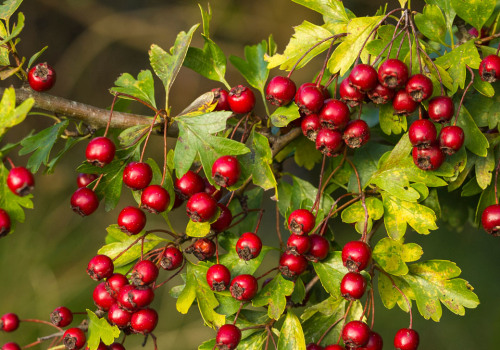
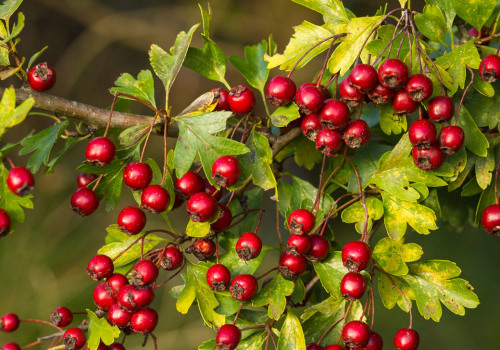
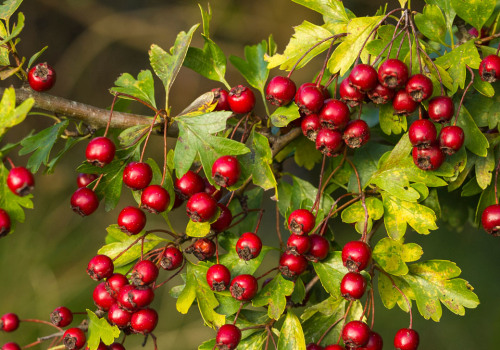
Hawthorn berries, known scientifically as Crataegus, are small, red fruits that pack a powerful nutritional punch.These berries are not only rich in flavor but also boast a variety of essential nutrients that contribute to their health benefits. Understanding the nutritional profile of hawthorn berries is vital for appreciating their role in promoting heart health and overall well-being.
Vitamins and Minerals
Hawthorn berries are a source of several important vitamins and minerals:- Vitamin C: This antioxidant vitamin plays a crucial role in immune function and skin health. Hawthorn berries contain a significant amount of vitamin C, which helps protect the body from oxidative stress.
- Vitamin B Complex: Hawthorn is rich in various B vitamins, including B1 (thiamine), B2 (riboflavin), and B3 (niacin). These vitamins are essential for energy metabolism and maintaining healthy nerve function.
- Potassium: This mineral is vital for heart health, as it helps regulate blood pressure and supports proper muscle function.
- Magnesium: Known for its role in muscle relaxation and nerve function, magnesium found in hawthorn berries contributes to cardiovascular health.
Antioxidants
One of the standout features of hawthorn berries is their high antioxidant content.Antioxidants are compounds that help neutralize free radicals in the body, reducing oxidative stress and inflammation. The primary antioxidants found in hawthorn include:
- Flavonoids: These plant compounds are known for their anti-inflammatory properties and can help improve blood circulation.
- Proanthocyanidins: A type of flavonoid, proanthocyanidins have been shown to support heart health by strengthening blood vessels and improving overall cardiovascular function.
Key Benefits of Hawthorn Extract
Hawthorn extract, derived from the berries, leaves, and flowers of the hawthorn plant, has garnered attention for its numerous health benefits. This natural remedy has been utilized for centuries, particularly in traditional medicine, to support cardiovascular health and overall well-being.Below are some of the key advantages associated with hawthorn extract.
1.Heart Health Support
One of the most significant hawthorn berry benefits is its ability to promote heart health. Research indicates that hawthorn extract can enhance blood flow and improve the function of blood vessels. This is particularly beneficial for individuals suffering from conditions such as congestive heart failure (CHF). Studies have shown that hawthorn may help alleviate symptoms like shortness of breath and fatigue in CHF patients by improving cardiac output.2.Blood Pressure Regulation
Another notable advantage of hawthorn extract is its potential to regulate blood pressure.The flavonoids present in hawthorn berries are believed to help dilate blood vessels, which can lead to a reduction in blood pressure levels. For those dealing with hypertension, incorporating hawthorn extract into their regimen may provide a natural way to manage their condition. However, it is essential to consult with a healthcare provider before making any changes to medication or treatment plans.
3.Antioxidant Properties
Hawthorn is rich in antioxidants, which play a crucial role in protecting the body from oxidative stress and free radical damage. These antioxidants can help reduce inflammation and lower the risk of chronic diseases such as heart disease and diabetes.By neutralizing harmful free radicals, hawthorn extract contributes to overall health and longevity.
4.Anxiety and Stress Relief
In addition to its cardiovascular benefits, hawthorn extract may also aid in reducing anxiety and stress levels. Some studies suggest that it can have a calming effect on the nervous system, making it a potential natural remedy for those experiencing mild anxiety or stress-related symptoms. In summary, the health benefits of hawthorn are extensive, particularly concerning heart health, blood pressure regulation, antioxidant support, and stress relief. As with any supplement, it is advisable to consult with a healthcare professional before starting hawthorn extract to ensure it aligns with individual health needs and conditions.Hawthorn Extract and Heart Health
Hawthorn extract has garnered significant attention for its potential to enhance heart health and support overall cardiovascular wellness. This natural remedy, derived from the berries, leaves, and flowers of the hawthorn plant, has been utilized in traditional medicine for centuries, particularly in Europe and Asia.Recent studies have begun to validate its long-standing reputation as a beneficial supplement for those seeking to improve their heart function. One of the primary ways hawthorn extract contributes to cardiovascular health is by improving blood circulation. The active compounds found in hawthorn, such as flavonoids and oligomeric proanthocyanidins, are known to enhance the dilation of blood vessels. This vasodilatory effect can lead to reduced blood pressure and improved oxygen delivery to the heart muscle, which is crucial for individuals suffering from conditions like hypertension or coronary artery disease. Moreover, hawthorn extract may help alleviate symptoms associated with heart disease. Research indicates that it can reduce angina (chest pain) and improve exercise tolerance in patients with heart-related issues.
By enhancing the heart's efficiency and reducing the workload on this vital organ, hawthorn extract can play a supportive role in managing chronic heart conditions. In addition to its direct effects on heart function, hawthorn extract also possesses antioxidant properties that combat oxidative stress. Oxidative stress is a significant contributor to cardiovascular diseases, as it can lead to inflammation and damage to blood vessels. By neutralizing free radicals, hawthorn helps protect the cardiovascular system from these harmful effects. For those considering incorporating hawthorn extract into their health regimen, it is essential to consult with a healthcare professional, especially if they are already taking medications for heart conditions. While generally regarded as safe, hawthorn can interact with certain medications, such as blood thinners or beta-blockers. In summary, the cardiovascular benefits of hawthorn are multifaceted.
From improving circulation and reducing symptoms of heart disease to providing antioxidant protection, this powerful extract offers a natural approach to supporting heart health. As research continues to unfold, hawthorn extract may become an even more integral part of holistic strategies aimed at promoting cardiovascular wellness.
How to Use Hawthorn Extract Safely
When considering the incorporation of hawthorn extract into your wellness routine, understanding the proper usage is essential for maximizing its benefits while minimizing potential risks. Here’s a comprehensive guide on how to take hawthorn extract safely.Recommended Dosage of Hawthorn Extract
The appropriate dosage of hawthorn extract can vary based on several factors, including the form of the extract (liquid, capsule, or powder) and the specific health goals you aim to achieve. Generally, the following dosages are recommended:- Liquid Extract: 1 to 2 teaspoons (5 to 10 mL) taken two to three times daily.
- Capsules: 250 to 500 mg taken two to three times daily.
- Dried Hawthorn Berries: 1 to 2 grams steeped in hot water as a tea, consumed up to three times a day.
Always consult with a healthcare professional before beginning any new supplement regimen, especially if you have existing health conditions or are taking other medications.
Potential Side Effects
While hawthorn extract is generally considered safe for most individuals, some may experience side effects. Commonly reported side effects include:- Dizziness or lightheadedness
- Nausea or gastrointestinal discomfort
- Fatigue or drowsiness
By adhering to recommended dosages and being aware of potential side effects, you can safely enjoy the advantages that this remarkable extract has to offer.
Potential Side Effects and Interactions
While hawthorn extract is widely recognized for its numerous health benefits, it is essential to consider the potential side effects and interactions with other medications. Understanding these aspects can help ensure safe usage and maximize the extract's positive effects.Possible Side Effects of Hawthorn
Although hawthorn is generally considered safe for most individuals, some may experience mild side effects. These can include:- Dizziness: Some users report feeling lightheaded, especially when standing up quickly.
- Gastrointestinal Issues: Nausea, upset stomach, or diarrhea may occur in some individuals.
- Fatigue: A few users have noted increased tiredness or lethargy.
- Allergic Reactions: Rarely, individuals may experience skin rashes or itching if they are allergic to hawthorn.
Drug Interactions with Hawthorn
Hawthorn extract can interact with various medications, which may alter their effectiveness or increase the risk of side effects. Some notable interactions include:- Blood Pressure Medications: Hawthorn may enhance the effects of antihypertensive drugs, leading to excessively low blood pressure.
- Heart Medications: It can interact with medications like digoxin, potentially increasing the risk of side effects associated with these drugs.
- Anticoagulants: There is a possibility that hawthorn could affect blood clotting, which may interfere with blood thinners such as warfarin.
- Other Herbal Supplements: Combining hawthorn with other herbal remedies that affect heart rate or blood pressure could lead to unpredictable results.
Safety Considerations
The safety of hawthorn extract has been supported by various studies; however, it is essential to use it responsibly.Pregnant or breastfeeding women should avoid using hawthorn due to insufficient research on its safety in these populations. Additionally, individuals with known allergies to plants in the Crataegus family should refrain from using this extract. In summary, while hawthorn berry benefits are significant, being aware of potential side effects and drug interactions is crucial for safe consumption. Always consult a healthcare professional before incorporating new supplements into your routine to ensure they align with your health needs and medication regimen.
Hawthorn Extract in Traditional Medicine
The use of hawthorn in traditional medicine spans centuries and crosses various cultures, establishing it as a significant herbal remedy. Its historical significance is rooted in its application for cardiovascular health, with records dating back to ancient Greece and Rome.Renowned physician Hippocrates is said to have utilized hawthorn for its heart-strengthening properties, emphasizing its early recognition as a natural treatment. In traditional Chinese medicine, hawthorn berries, known as Shan Zha, have been employed for digestive issues and to improve blood circulation. This dual purpose highlights the versatility of hawthorn in addressing both heart and digestive health. Practitioners often recommend hawthorn for its ability to enhance the flow of qi (energy) and blood, which is essential for overall well-being. Similarly, in European herbal traditions, hawthorn has been celebrated for its role in promoting heart health. The leaves, flowers, and berries are all utilized in various preparations, from teas to tinctures.
Herbalists have long prescribed hawthorn to alleviate symptoms of heart-related ailments such as angina and arrhythmia. Its reputation as a heart tonic has made it a staple in many herbal medicine cabinets. Moreover, the historical significance of hawthorn extends beyond its medicinal uses; it has also been steeped in folklore and symbolism. In many cultures, hawthorn trees were considered sacred and were often associated with protection and fertility. This cultural reverence further solidifies the plant's importance throughout history. Today, modern research continues to validate the traditional uses of hawthorn.
Studies have shown that the extract can improve blood flow, reduce blood pressure, and enhance overall cardiovascular function. As we delve deeper into the benefits of hawthorn berry extract, it becomes clear that this ancient remedy holds a wealth of potential for contemporary health practices.
Modern Research on Hawthorn Extract
Recent scientific investigations into hawthorn extract have shed light on its numerous health benefits, particularly concerning cardiovascular health. A growing body of research supports the traditional use of hawthorn in managing heart-related conditions, with several studies highlighting its efficacy. One notable study published in the American Journal of Medicine examined the effects of hawthorn extract on patients with chronic heart failure. The randomized, double-blind trial involved over 200 participants who received either hawthorn extract or a placebo for a duration of 8 weeks.The results indicated significant improvements in heart function and exercise tolerance among those taking the extract, suggesting that hawthorn may enhance cardiac performance. Another important piece of research, featured in the Journal of Cardiovascular Pharmacology, focused on the extract's ability to lower blood pressure. In this study, hypertensive patients were administered hawthorn extract for 12 weeks. The findings revealed a marked reduction in both systolic and diastolic blood pressure levels, reinforcing the notion that hawthorn can be a valuable adjunct therapy for hypertension. Furthermore, a meta-analysis conducted by researchers at a prominent university evaluated multiple clinical trials involving hawthorn. This comprehensive review concluded that hawthorn extract is effective in improving symptoms of heart disease and has a favorable safety profile compared to conventional medications. In addition to cardiovascular benefits, some studies have explored hawthorn's potential antioxidant properties.
Research published in the Journal of Ethnopharmacology demonstrated that hawthorn berries contain high levels of flavonoids and phenolic acids, which are known to combat oxidative stress and inflammation. This suggests that regular consumption of hawthorn may contribute to overall health by protecting cells from damage. While these findings are promising, it is essential to approach hawthorn extract with caution. As with any supplement, individuals should consult healthcare professionals before starting treatment, especially if they are already on medication for heart conditions or other health issues. Ongoing research will continue to clarify the full range of hawthorn berry benefits, paving the way for its integration into modern therapeutic practices.
FAQs About Hawthorn Extract
As the popularity of hawthorn extract continues to rise, many individuals have questions regarding its safety, efficacy, and overall benefits.Below are some of the most frequently asked questions about this remarkable supplement.
What is hawthorn extract?
Hawthorn extract is derived from the berries, leaves, and flowers of the hawthorn plant, scientifically known as Crataegus. This natural remedy has been utilized for centuries, particularly in traditional medicine, to support cardiovascular health and improve circulation.What are the primary benefits of hawthorn berry?
- Heart Health: Hawthorn is renowned for its ability to strengthen heart function and improve blood flow.
- Blood Pressure Regulation: It may help in managing both high and low blood pressure levels.
- Antioxidant Properties: The extract contains powerful antioxidants that combat oxidative stress in the body.
- Anxiety Relief: Some studies suggest that hawthorn may help reduce symptoms of anxiety and promote relaxation.
Is hawthorn safe for everyone?
While hawthorn is generally considered safe for most people when taken in appropriate doses, it is essential to consult with a healthcare provider before starting any new supplement. Pregnant or breastfeeding women, as well as individuals with specific health conditions or those taking certain medications (especially blood thinners), should exercise caution.Can hawthorn interact with medications?
Yes, hawthorn can interact with various medications. It may enhance the effects of heart medications or blood thinners, leading to potential complications.Always discuss with your doctor if you are considering adding hawthorn extract to your regimen.
How should I take hawthorn extract?
The dosage of hawthorn extract can vary based on the form (capsule, liquid extract, tea) and concentration. It’s crucial to follow the manufacturer's instructions or your healthcare provider's recommendations for optimal results. If you have more questions about hawthorn berry benefits, don’t hesitate to reach out to a healthcare professional who can provide personalized advice based on your health needs.Conclusion: Embracing the Benefits of Hawthorn Extract
In conclusion, the exploration of hawthorn berry benefits reveals a wealth of potential advantages that can significantly enhance heart health and overall well-being. As we have discussed, hawthorn extract is not merely a supplement; it is a time-honored remedy with roots in traditional medicine that has garnered attention in modern health circles. One of the most compelling aspects of hawthorn extract is its ability to support cardiovascular function. The flavonoids and antioxidants present in hawthorn berries contribute to improved blood circulation, reduced blood pressure, and enhanced heart muscle performance.These effects are particularly beneficial for individuals dealing with heart-related issues or those looking to maintain optimal heart health as they age. Moreover, the anti-inflammatory properties of hawthorn extract can aid in reducing oxidative stress, which is a significant factor in many chronic diseases. By incorporating this natural remedy into your daily routine, you may not only bolster your heart health but also promote overall wellness. However, it is crucial to approach the use of hawthorn extract with an informed mindset. While the benefits are promising, potential side effects and interactions with medications should not be overlooked. Consulting with a healthcare professional before starting any new supplement regimen is essential to ensure safety and efficacy. As we embrace the benefits of hawthorn extract, let us remember that natural remedies can play a vital role in our health journey.
By understanding how to use hawthorn safely and effectively, we can unlock its full potential and enjoy the myriad benefits it offers. Whether you are seeking to improve your cardiovascular health or simply looking for a natural way to enhance your well-being, hawthorn extract may be a valuable addition to your health toolkit.