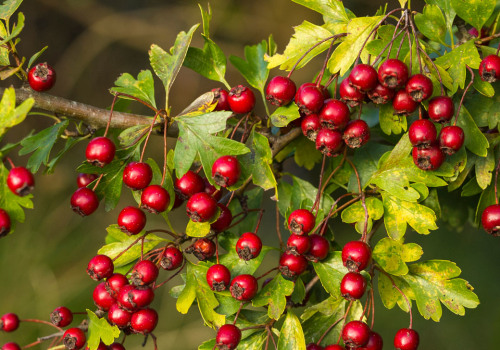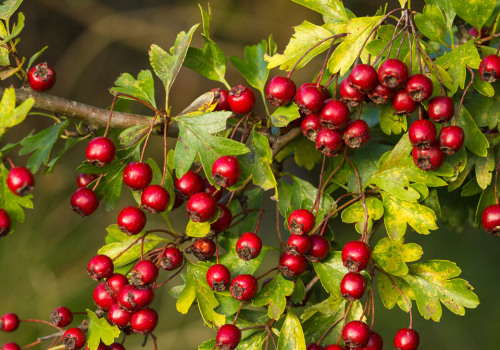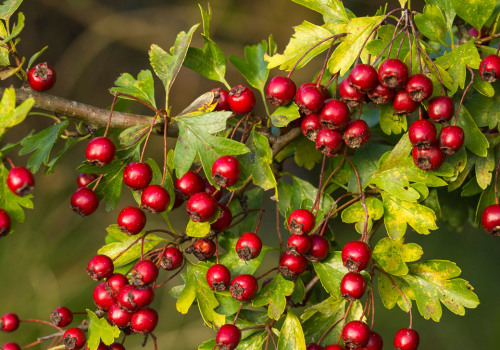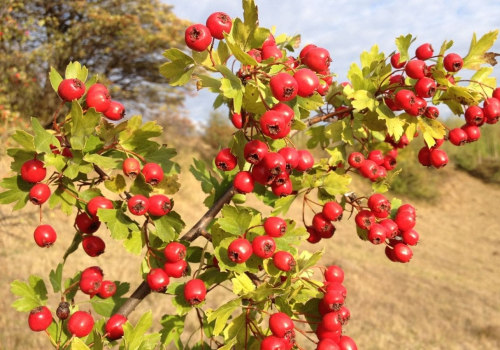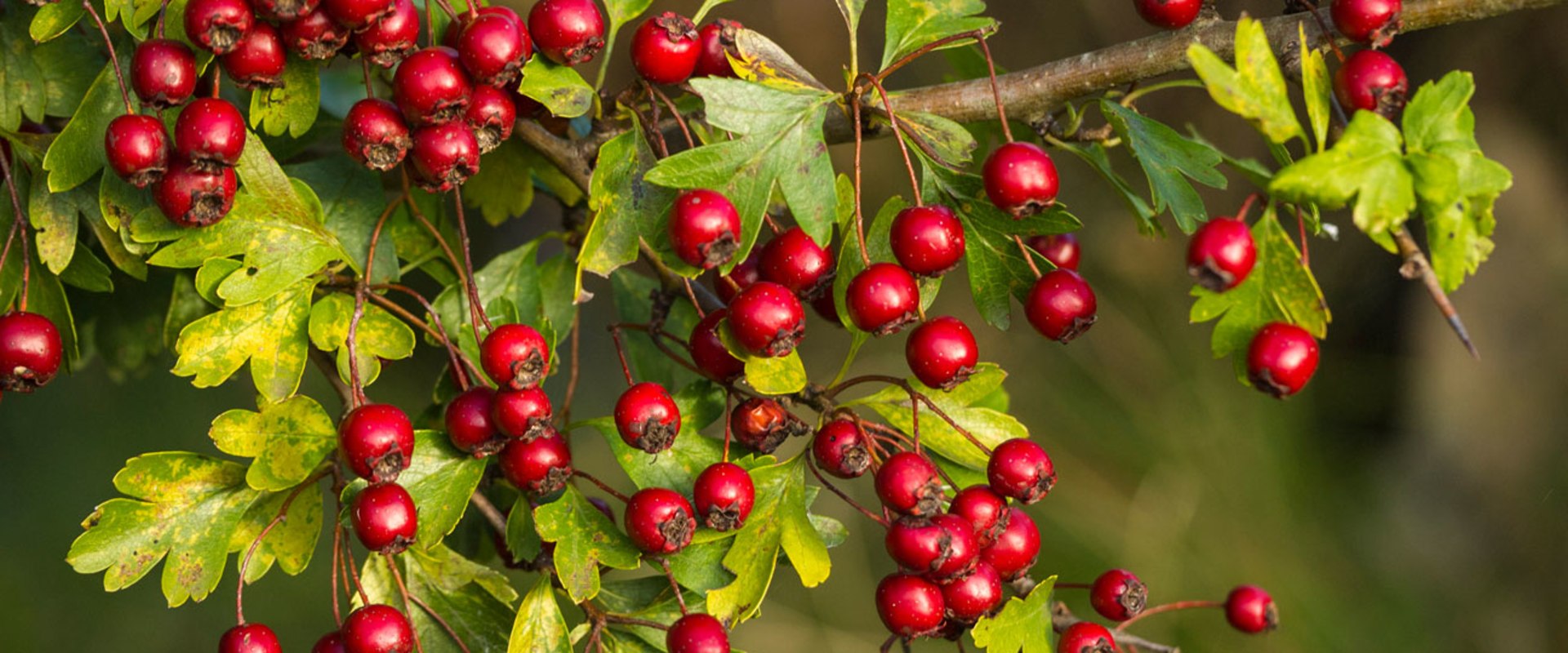
Hawthorn, a small fruit-bearing shrub belonging to the Crataegus genus, has been revered for centuries in traditional medicine, particularly in Europe and Asia. Its berries, leaves, and flowers have been utilized for their potential health benefits, especially concerning heart health. Historically, hawthorn was used by herbalists to treat various ailments, including digestive issues and anxiety. However, its most notable application has been in supporting cardiovascular function.
The rich history of hawthorn in folk medicine underscores its significance as a natural remedy. The benefits of hawthorn berries are attributed to their high concentration of flavonoids, antioxidants, and other bioactive compounds. These elements work synergistically to promote heart health by improving blood circulation, reducing blood pressure, and enhancing overall cardiovascular function. Studies have shown that hawthorn can help dilate blood vessels, which may lead to improved oxygen delivery to the heart muscle. This is particularly beneficial for individuals suffering from conditions like angina or congestive heart failure. In addition to the berries themselves, hawthorn extract has gained popularity as a concentrated form of this powerful plant.
Extracts are often standardized to contain specific levels of active compounds, making them a convenient option for those seeking targeted health benefits. While both the whole berries and extracts offer unique advantages, understanding their differences is crucial for making informed choices about supplementation. As we delve deeper into the comparison between hawthorn berries and extracts, we will explore their respective roles in promoting heart health and overall well-being.
Nutritional Profile of Hawthorn Berries
Hawthorn berries, scientifically known as Crataegus, are small, red fruits that pack a powerful nutritional punch. These berries are not only celebrated for their potential heart health benefits but also for their rich array of vitamins, minerals, and antioxidants that contribute to overall well-being.Vitamins in Hawthorn Berries
Hawthorn berries are a source of several essential vitamins, including:- Vitamin C: This vitamin is crucial for immune function and skin health.
It acts as a potent antioxidant, helping to protect cells from damage caused by free radicals.
- Vitamin B6: Important for brain health and metabolism, vitamin B6 plays a role in the production of neurotransmitters and red blood cells.
- Folate: Also known as vitamin B9, folate is vital for DNA synthesis and repair, making it especially important during periods of rapid growth such as pregnancy.
Minerals Found in Hawthorn Berries
In addition to vitamins, hawthorn berries contain several key minerals that support various bodily functions:- Potassium: This mineral is essential for maintaining proper heart function and regulating blood pressure. It helps balance fluids in the body and supports muscle contractions.
- Magnesium: Known for its role in over 300 biochemical reactions in the body, magnesium is important for muscle and nerve function, blood sugar control, and bone health.
- Calcium: While not as abundant as in dairy products, calcium in hawthorn berries contributes to bone health and is necessary for muscle function and nerve signaling.
Antioxidants and Phytochemicals
The antioxidant profile of hawthorn berries is particularly noteworthy. They contain flavonoids such as quercetin and oligomeric proanthocyanidins (OPCs), which have been shown to have anti-inflammatory properties. These compounds help combat oxidative stress in the body, potentially reducing the risk of chronic diseases. In summary, the nutritional profile of hawthorn berries is rich in essential vitamins and minerals that support heart health and overall wellness.Their antioxidant content further enhances their value as a functional food, making them a beneficial addition to a balanced diet.
Health Benefits of Hawthorn Berries
Hawthorn berries, derived from the Crataegus species, have been celebrated for their numerous health benefits, particularly in relation to cardiovascular health. These small, red fruits are packed with antioxidants, vitamins, and minerals that contribute to their therapeutic properties. One of the most significant hawthorn berry health benefits is their ability to support heart function. Research indicates that hawthorn can enhance coronary artery blood flow, which is crucial for delivering oxygen and nutrients to the heart muscle. This effect is primarily attributed to the presence of flavonoids and oligomeric proanthocyanidins (OPCs), which help dilate blood vessels and improve circulation. In a study published in the American Journal of Medicine, patients with chronic heart failure who consumed hawthorn extract showed notable improvements in symptoms such as fatigue and shortness of breath.The extract was found to increase the heart's pumping ability while reducing the frequency of angina attacks. This suggests that hawthorn may be a valuable adjunct therapy for individuals suffering from heart disease. Moreover, hawthorn berries are known for their potential to lower blood pressure. A meta-analysis of several clinical trials revealed that participants who took hawthorn supplements experienced a significant reduction in both systolic and diastolic blood pressure. This is particularly beneficial for those with hypertension, as maintaining healthy blood pressure levels is essential for preventing cardiovascular complications. Another noteworthy aspect of hawthorn berries is their role in cholesterol management.
Studies have shown that these berries can help lower levels of LDL cholesterol (often referred to as "bad" cholesterol) while increasing HDL cholesterol (the "good" cholesterol). This dual action can contribute to a healthier lipid profile and reduce the risk of atherosclerosis, a condition characterized by plaque buildup in the arteries. In addition to their cardiovascular benefits, hawthorn berries also possess anti-inflammatory properties. Chronic inflammation is a known risk factor for various heart diseases, and by mitigating this inflammation, hawthorn may further protect heart health. In summary, incorporating hawthorn berries into your diet can offer a range of health benefits, particularly for cardiovascular health. From improving blood flow and lowering blood pressure to managing cholesterol levels and reducing inflammation, these berries are a powerful ally in promoting heart wellness.
However, it is always advisable to consult with a healthcare professional before starting any new supplement regimen.
The Science Behind Hawthorn Extract
Hawthorn extract is derived from the leaves, flowers, and berries of the hawthorn plant, primarily Crataegus monogyna and Crataegus laevigata. This extract is known for its high concentration of active compounds, which include flavonoids, oligomeric proanthocyanidins (OPCs), and various phenolic acids. These compounds are responsible for many of the hawthorn extract benefits, particularly in relation to cardiovascular health. One of the key advantages of using hawthorn extract over whole berries is its potency. While the berries provide a range of nutrients and fiber, the extract offers a more concentrated dose of beneficial compounds.This concentration allows for more effective delivery of hawthorn's therapeutic properties, making it a popular choice for those seeking to support heart health.
Benefits of Hawthorn Extract
The benefits of hawthorn extract are well-documented in various studies. Research indicates that it can:- Improve Heart Function: Hawthorn extract has been shown to enhance cardiac output and improve symptoms in individuals with chronic heart failure.
- Lower Blood Pressure: The extract may help dilate blood vessels, leading to reduced blood pressure levels.
- Reduce Angina Symptoms: By improving blood flow to the heart, hawthorn extract can alleviate chest pain associated with angina.
- Support Cholesterol Management: Some studies suggest that hawthorn extract can help lower cholesterol and triglyceride levels.
How to Use Hawthorn Extract
Hawthorn extract is available in several forms, including capsules, tablets, tinctures, and liquid extracts. The choice of form often depends on personal preference and ease of use. Tinctures and liquid extracts are typically absorbed more quickly by the body, while capsules and tablets offer convenience for those on the go.Recommended Dosage
The appropriate dosage of hawthorn extract can vary based on individual health needs and the specific product used.However, general guidelines suggest:
- Capsules/Tablets: 250-500 mg taken two to three times daily.
- Tinctures: 20-30 drops taken three times daily.
- Liquid Extracts: Follow the manufacturer's instructions for dosage.
Comparing Hawthorn Berries and Extracts: Which is More Effective?
When it comes to choosing between hawthorn berries and hawthorn extracts, understanding their respective benefits is crucial for making an informed decision about heart health. Both forms of hawthorn have been studied for their cardiovascular benefits, but they differ in concentration, bioavailability, and additional nutrients.Hawthorn Berries:
The whole berries are rich in dietary fiber, vitamins, and minerals. They contain a variety of phytochemicals, including flavonoids and phenolic acids, which contribute to their antioxidant properties.
The fiber content in hawthorn berries can also aid digestion and promote overall gut health. However, the concentration of active compounds that directly affect heart health may be lower compared to extracts.
Hawthorn Extracts:
On the other hand, hawthorn extracts are typically more concentrated forms of the berry. They are standardized to contain specific amounts of active ingredients, such as oligomeric proanthocyanidins (OPCs), which have been shown to improve blood circulation and lower blood pressure. Research indicates that these extracts can effectively enhance coronary artery blood flow and reduce symptoms associated with heart conditions like angina.
Several studies have compared the effectiveness of hawthorn berries versus extracts.
For instance, a clinical trial involving patients with chronic heart failure demonstrated that those taking hawthorn extract experienced significant improvements in their symptoms compared to those consuming whole berries. This suggests that while both forms offer benefits, extracts may provide a more potent effect due to their higher concentration of active compounds. Moreover, the ease of consumption is another factor to consider. Hawthorn extracts are often available in capsule or liquid form, making them convenient for those who may not enjoy the taste of the berries or find it challenging to incorporate them into their diet. In conclusion, while both hawthorn berries and extracts have their unique advantages, the choice largely depends on individual health goals and preferences. For those seeking a more concentrated source of heart health benefits, hawthorn extracts may be the better option.
However, incorporating whole berries into your diet can still provide valuable nutrients and support overall wellness.
Potential Side Effects and Interactions
While hawthorn berries and extracts are widely recognized for their potential cardiovascular benefits, it is essential to consider the potential side effects and interactions with medications before incorporating them into your health regimen.Common Side Effects
- Gastrointestinal Issues: Some individuals may experience mild digestive disturbances, such as nausea, diarrhea, or stomach upset when consuming hawthorn.
- Dizziness: Due to its blood pressure-lowering effects, hawthorn may cause dizziness or lightheadedness, particularly in those who are sensitive to changes in blood pressure.
- Allergic Reactions: Although rare, some people may have an allergic reaction to hawthorn, which could manifest as skin rashes or itching.
Interactions with Medications
Hawthorn can interact with various medications, which is a critical consideration for anyone taking prescription drugs. Here are some notable interactions:
- Blood Pressure Medications: Hawthorn has the potential to lower blood pressure. When taken alongside antihypertensive medications, it may lead to excessively low blood pressure, resulting in symptoms like fainting or severe dizziness.
- Heart Medications: If you are on medications for heart conditions, such as beta-blockers or calcium channel blockers, consult your healthcare provider before using hawthorn. The combination may enhance the effects of these drugs.
- Anticoagulants: Hawthorn may have mild anticoagulant properties.
If you are taking blood thinners like warfarin, there is a risk of increased bleeding. Monitoring by a healthcare professional is advisable.
Safety of Hawthorn Supplements
The safety of hawthorn supplements largely depends on the dosage and the individual's health status. While many people tolerate hawthorn well, it is crucial to follow recommended dosages and consult with a healthcare professional, especially if you have pre-existing health conditions or are pregnant or breastfeeding. In summary, while hawthorn berries and extracts offer numerous health benefits, being aware of potential side effects and interactions with medications is vital for safe consumption. Always prioritize open communication with your healthcare provider to ensure that any new supplement fits safely into your overall health plan.
How to Incorporate Hawthorn into Your Diet
Incorporating hawthorn berries and extracts into your daily diet can be both enjoyable and beneficial for your heart health.Here are some practical tips and delicious recipes to help you make the most of this remarkable fruit.
Using Hawthorn Berries
Hawthorn berries can be consumed in various forms, including fresh, dried, or as part of a recipe. Here are some ideas:- Fresh Berries: If you have access to fresh hawthorn berries, you can eat them raw. They have a tart flavor that can be a refreshing snack.
- Dried Berries: Dried hawthorn berries can be added to trail mixes, oatmeal, or yogurt for a nutritious boost.
- Hawthorn Tea: Steep dried hawthorn berries in hot water for 10-15 minutes to make a soothing tea. You can enhance the flavor with honey or lemon.
Recipes Featuring Hawthorn
Here are a couple of simple recipes that highlight the unique taste of hawthorn berries:- Hawthorn Berry Jam:
- Ingredients: 2 cups hawthorn berries, 1 cup sugar, 1/2 cup water, juice of 1 lemon.
- Instructions: Combine all ingredients in a saucepan.
Bring to a boil, then reduce heat and simmer for about 30 minutes until thickened. Pour into sterilized jars and let cool.
- Hawthorn Smoothie:
- Ingredients: 1 cup fresh or frozen hawthorn berries, 1 banana, 1 cup spinach, 1 cup almond milk.
- Instructions: Blend all ingredients until smooth. Enjoy as a nutritious breakfast or snack!
Taking Hawthorn Supplements
If you prefer the convenience of supplements, hawthorn extract is widely available in capsule or liquid form. Here are some tips for incorporating these supplements into your routine:- Consult Your Healthcare Provider: Before starting any new supplement, especially if you are on medication, consult with your healthcare provider to ensure it’s safe for you.
- Follow Dosage Instructions: Always adhere to the recommended dosage on the product label or as advised by your healthcare professional.
- Add to Your Daily Routine: Consider taking hawthorn supplements at the same time each day to establish a routine that helps you remember.
Frequently Asked Questions about Hawthorn Berries and Extracts
Hawthorn berries and extracts have gained popularity for their potential heart health benefits, but many people still have questions about their use.Below are some frequently asked questions that can help clarify common misconceptions and provide essential information.
What are hawthorn berries?
Hawthorn berries are small, red fruits that grow on the hawthorn tree, a member of the rose family. These berries have been used in traditional medicine for centuries, particularly in Europe and Asia, to support cardiovascular health.What are the main benefits of hawthorn berries?
- Heart Health: Hawthorn berries are known for their ability to improve blood circulation and lower blood pressure.
- Antioxidant Properties: They contain antioxidants that help combat oxidative stress in the body.
- Digestive Aid: The fiber content in hawthorn berries can aid digestion and promote gut health.
How do hawthorn extracts differ from the whole berries?
Hawthorn extracts are concentrated forms of the beneficial compounds found in hawthorn berries. While both forms offer health benefits, extracts may provide a more potent dose of active ingredients, making them easier to consume in supplement form. However, whole berries also offer additional nutrients and fiber that may be beneficial.Is it safe to use hawthorn with other medications?
While hawthorn is generally considered safe for most people, it can interact with certain medications, particularly those that affect blood pressure or heart function.It is crucial to consult with a healthcare professional before adding hawthorn to your regimen, especially if you are taking other medications.
Are there any side effects associated with hawthorn?
Some individuals may experience mild side effects such as dizziness, nausea, or digestive upset when using hawthorn. If you notice any adverse reactions, it is advisable to discontinue use and consult a healthcare provider.How should I take hawthorn for optimal benefits?
The method of consumption can vary based on personal preference. Hawthorn can be taken as a tea, in capsule form as an extract, or as a tincture. Always follow the recommended dosage on the product label or as advised by your healthcare provider to ensure safety and effectiveness.Conclusion: Making an Informed Choice for Heart Health
In summary, the choice between hawthorn berries and hawthorn extract is not merely a matter of preference; it is a decision that can significantly impact your heart health.Both forms offer unique benefits, but understanding their differences is crucial for making an informed choice. Hawthorn berries are rich in fiber and other essential nutrients, making them a wholesome addition to your diet. They provide antioxidant properties and may help improve digestion while also supporting cardiovascular health. The natural compounds found in the berries can contribute to better blood circulation and lower blood pressure, which are vital for maintaining a healthy heart. On the other hand, hawthorn extract is more concentrated and may deliver quicker results for specific heart-related issues. Research has shown that extracts can effectively treat conditions like chronic congestive heart failure and may help reduce plaque buildup in arteries.
This concentrated form allows for easier consumption, especially for those who may find it challenging to incorporate whole berries into their diet. However, it is essential to approach both forms with caution. While hawthorn is generally considered safe, potential interactions with medications—especially those that affect blood pressure—should not be overlooked. Consulting with a healthcare professional before adding either hawthorn berries or extract to your regimen is highly recommended. They can provide personalized advice based on your health history and current medications. Ultimately, whether you choose hawthorn berries or extract, the key takeaway is to prioritize your heart health by making informed decisions.
By understanding the benefits and limitations of each form, you can better support your cardiovascular system and overall well-being.