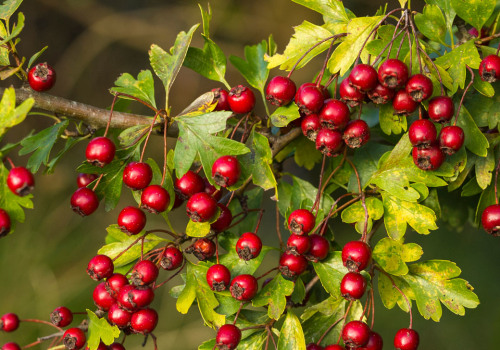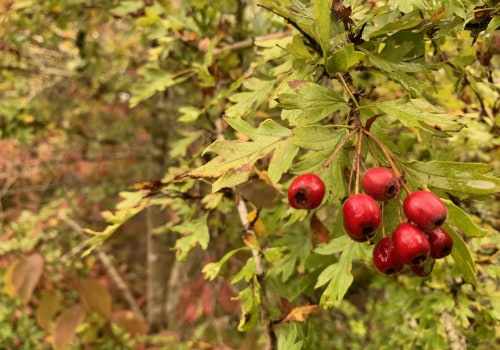
Hawthorn, scientifically known as Crataegus, is a small tree or shrub that has been revered for centuries for its remarkable health benefits, particularly in relation to heart health. This plant, adorned with delicate white or pink flowers and vibrant red berries, has a rich history that dates back to ancient civilizations. The use of hawthorn can be traced to the Greeks and Romans, who recognized its medicinal properties and utilized it to treat various ailments. In traditional herbal medicine, hawthorn has been employed not only for its cardiovascular benefits but also for digestive issues and anxiety relief. Throughout history, hawthorn has been celebrated as a symbol of hope and protection.
In medieval Europe, it was often planted near homes to ward off evil spirits and bring good fortune. Its berries were used in folk remedies to strengthen the heart and improve circulation, laying the groundwork for modern herbal practices. Today, the hawthorn berry benefits are increasingly acknowledged in contemporary health discussions, particularly regarding its potential to lower blood pressure and enhance overall cardiovascular function. As we delve deeper into the world of hawthorn, it becomes evident that this humble plant is more than just a historical artifact; it is a powerful ally in promoting heart health. The active compounds found in hawthorn berries, including flavonoids and oligomeric proanthocyanidins, contribute to their therapeutic effects.
These compounds are believed to improve blood flow, reduce arterial stiffness, and even lower cholesterol levels. Understanding the historical significance and traditional uses of hawthorn sets the stage for exploring its relevance in modern health practices and the growing body of research supporting its efficacy.
The Science Behind Hawthorn's Effect on Blood Pressure
Hawthorn, scientifically known as Crataegus, has been the subject of numerous studies aimed at understanding its potential to lower blood pressure. The active compounds found in hawthorn berries, including flavonoids and oligomeric proanthocyanidins, are believed to play a crucial role in its therapeutic effects. One pivotal study published in the American Journal of Hypertension examined the effects of hawthorn extract on patients with mild hypertension. Participants were administered 1,200 mg of hawthorn extract daily for a duration of 16 weeks.The results indicated a significant reduction in both systolic and diastolic blood pressure compared to the placebo group. This study highlighted hawthorn's potential as a natural alternative for managing blood pressure levels. Another important research effort focused on individuals with type 2 diabetes, who often face challenges with hypertension. In this study, hawthorn extract not only helped lower blood pressure but also improved overall cardiovascular health by enhancing blood flow and reducing heart strain. The findings suggest that hawthorn may be particularly beneficial for those managing multiple health conditions. Furthermore, a systematic review of various clinical trials concluded that hawthorn could effectively lower blood pressure in patients with mild hypertension when taken consistently over a period of at least 12 weeks. The results indicated a significant reduction in both systolic and diastolic blood pressure compared to the placebo group. This study highlighted hawthorn's potential as a natural alternative for managing blood pressure levels. Another important research effort focused on individuals with type 2 diabetes, who often face challenges with hypertension. In this study, hawthorn extract not only helped lower blood pressure but also improved overall cardiovascular health by enhancing blood flow and reducing heart strain. The findings suggest that hawthorn may be particularly beneficial for those managing multiple health conditions. Furthermore, a systematic review of various clinical trials concluded that hawthorn could effectively lower blood pressure in patients with mild hypertension when taken consistently over a period of at least 12 weeks.
This review emphasized the need for further research to explore the long-term effects and optimal dosages of hawthorn extract. The mechanism by which hawthorn lowers blood pressure is thought to involve several factors:
- Vasodilation: Hawthorn may promote the relaxation of blood vessels, leading to improved circulation and reduced resistance against blood flow.
- Antioxidant Properties: The antioxidants present in hawthorn help combat oxidative stress, which can contribute to hypertension.
- Heart Function Improvement: Studies have shown that hawthorn can enhance heart contractility, allowing the heart to pump more efficiently.
Key Components of Hawthorn and Their Health Benefits
Hawthorn berries are not just a traditional remedy; they are packed with a variety of active compounds that contribute significantly to cardiovascular health. Understanding these components can help us appreciate the health benefits of hawthorn berries and their role in managing conditions like hypertension. One of the most notable groups of compounds found in hawthorn is flavonoids. These are powerful antioxidants that play a crucial role in protecting the body from oxidative stress.The primary flavonoids in hawthorn include quercetin, vitexin, and hyperoside. Each of these compounds has unique properties that contribute to heart health:
- Quercetin: Known for its anti-inflammatory effects, quercetin helps reduce blood pressure by relaxing blood vessels and improving circulation.
- Vitexin: This flavonoid has been shown to enhance heart function by increasing the strength of heart contractions, which can be particularly beneficial for individuals with heart disease.
- Hyperoside: Hyperoside may help lower cholesterol levels and improve overall cardiovascular health by preventing the oxidation of LDL cholesterol, a key factor in heart disease.
By promoting the excretion of excess sodium and water from the body, hawthorn helps maintain optimal blood pressure levels. In summary, the active components found in hawthorn berries—particularly flavonoids and antioxidants—offer a multitude of health benefits that support cardiovascular wellness. Incorporating hawthorn into your diet may provide a natural approach to managing blood pressure and enhancing overall heart health.
How to Use Hawthorn for Blood Pressure Management
Incorporating hawthorn into your daily routine can be a beneficial step towards managing blood pressure naturally. Here are some practical ways to use hawthorn effectively:How to Take Hawthorn
Hawthorn is available in various forms, including capsules, tinctures, and teas. Each form has its own advantages, and the choice often depends on personal preference:-
Capsules: These are convenient for those who prefer a quick and easy option.
Standard dosages typically range from 300 mg to 1,200 mg per day, divided into two or three doses.
- Tinctures: A liquid extract that can be taken directly or mixed with water. A common dosage is 20-30 drops taken two to three times daily.
- Teas: Brewing hawthorn tea is a traditional method that allows you to enjoy its benefits in a soothing beverage.
Hawthorn Dosage Recommendations
The appropriate dosage of hawthorn can vary based on individual health needs and the specific product used. Here are some general guidelines:- For mild hypertension: A daily intake of 300 mg to 600 mg of hawthorn extract is often recommended.
- For more significant blood pressure management: Some studies have utilized dosages up to 1,200 mg per day, but it’s essential to consult with a healthcare provider before increasing your dosage.
Hawthorn Tea Recipes
Making hawthorn tea is simple and can be a delightful addition to your wellness routine. Here’s a basic recipe:- Ingredients:
- 1-2 teaspoons of dried hawthorn berries or leaves
- 1 cup of boiling water
- (Optional) Honey or lemon for taste
- Add the dried hawthorn berries or leaves to a teapot or infuser.
- Pour boiling water over the herbs and let steep for 10-15 minutes.
- If desired, add honey or lemon for flavor before serving.
Remember that while hawthorn is generally safe, it’s always wise to consult with a healthcare professional before starting any new supplement regimen, especially if you are taking other medications or have existing health conditions.
Potential Side Effects and Interactions of Hawthorn
While hawthorn is widely recognized for its potential health benefits, particularly in managing blood pressure and supporting heart health, it is essential to be aware of its potential side effects and interactions with other medications. Understanding these factors can help ensure safe and effective use.Common Side Effects
- Gastrointestinal Issues: Some individuals may experience mild digestive disturbances, such as nausea, diarrhea, or stomach upset when taking hawthorn. These symptoms are generally transient and may subside as the body adjusts to the supplement.
- Dizziness: A few users have reported feelings of dizziness or lightheadedness, particularly when standing up quickly. This can be attributed to hawthorn's blood pressure-lowering effects.
-
Fatigue: In rare cases, some people may feel unusually tired or fatigued after taking hawthorn.
This could be due to its impact on heart function and circulation.
Drug Interactions
Hawthorn can interact with various medications, which may alter their effectiveness or increase the risk of adverse effects. It is crucial to consult with a healthcare provider before starting hawthorn, especially if you are taking any of the following:
- Antihypertensive Medications: Since hawthorn can lower blood pressure, combining it with other antihypertensive drugs may lead to excessively low blood pressure (hypotension). Regular monitoring is advised.
- Heart Medications: If you are on medications for heart conditions, such as beta-blockers or calcium channel blockers, hawthorn may enhance their effects, necessitating dosage adjustments.
- Blood Thinners: Hawthorn may have mild anticoagulant properties, which could increase the risk of bleeding when taken with blood-thinning medications like warfarin or aspirin.
Safety Considerations
The safety of hawthorn use during pregnancy and breastfeeding has not been well-studied. Therefore, it is advisable for pregnant or nursing women to avoid hawthorn unless specifically directed by a healthcare professional.
Additionally, individuals with known allergies to plants in the Crataegus genus should refrain from using hawthorn products. In conclusion, while hawthorn offers numerous health benefits, it is vital to approach its use with caution. Always consult your healthcare provider before incorporating hawthorn into your regimen to ensure it aligns safely with your health needs and existing treatments.
Comparing Hawthorn with Other Natural Remedies for Hypertension
When exploring natural remedies for hypertension , hawthorn stands out due to its unique properties and benefits. However, it is essential to compare it with other popular herbal alternatives to understand its effectiveness better. This comparison will help individuals make informed choices about managing their blood pressure.Hawthorn vs.
Garlic
Garlic is another well-known natural remedy for hypertension. It contains allicin, a compound that has been shown to help relax blood vessels and improve blood flow. Studies suggest that garlic can lower blood pressure, particularly in individuals with high levels of cholesterol. While both hawthorn and garlic have beneficial effects on cardiovascular health, hawthorn may offer additional advantages, such as improving heart function and increasing exercise tolerance.
Hawthorn vs.
Omega-3 Fatty Acids
Omega-3 fatty acids, found in fish oil and flaxseed, are renowned for their heart health benefits. They can reduce inflammation and lower triglyceride levels, which may contribute to lower blood pressure. While omega-3s are effective in promoting overall heart health, hawthorn specifically targets blood pressure regulation through its ability to enhance blood flow and strengthen heart contractions. This makes hawthorn a more focused option for those primarily concerned with hypertension.
Hawthorn vs.
Other Herbal Alternatives
- Olive Leaf Extract: Known for its antioxidant properties, olive leaf extract may help lower blood pressure by improving endothelial function. However, it lacks the direct heart-strengthening effects that hawthorn provides.
- Coenzyme Q10: This supplement has been shown to lower blood pressure and improve heart health. While effective, it does not possess the same traditional use and historical backing as hawthorn.
- Beetroot Juice: Rich in nitrates, beetroot juice can help dilate blood vessels and lower blood pressure. However, it may not offer the comprehensive cardiovascular benefits that hawthorn does.
Its ability to improve heart function while lowering blood pressure sets it apart from other options, making it a valuable addition to any hypertension management plan.
FAQs About Hawthorn Berry Benefits and Usage
As interest in natural remedies grows, many people are turning to hawthorn berries for their potential health benefits. However, questions often arise regarding their usage, safety, and effectiveness. Below are some frequently asked questions about hawthorn berries that can help clarify these concerns.What are the primary benefits of hawthorn berries?
Hawthorn berries are renowned for their cardiovascular benefits. They are believed to:- Lower blood pressure: Studies suggest that hawthorn can help reduce blood pressure in individuals with mild hypertension.
- Improve heart function: Hawthorn may enhance the heart's pumping ability and increase blood flow.
- Reduce symptoms of heart disease: Many users report improvements in symptoms such as shortness of breath and fatigue.
- Support digestive health: Traditionally, hawthorn has been used to alleviate digestive issues like indigestion.
Is hawthorn safe for everyone?
While hawthorn is generally considered safe for most people, there are some important considerations:- Consult your doctor: If you are pregnant, nursing, or taking medications (especially blood pressure or heart medications), consult your healthcare provider before using hawthorn.
- Possible side effects: Some individuals may experience mild side effects such as dizziness, nausea, or gastrointestinal upset.
How should I take hawthorn?
Hawthorn is available in various forms, including capsules, extracts, and teas.Here are some tips for usage:
- Dose: Follow the recommended dosage on the product label or as advised by your healthcare provider.
- Consistency is key: For best results, take hawthorn regularly over a period of weeks or months.
- Monitor your health: Keep track of any changes in your symptoms and discuss them with your doctor.
Conclusion: Embracing the Power of Hawthorn for Heart Health
In conclusion, the exploration of hawthorn berry benefits reveals a promising natural approach to managing blood pressure and enhancing overall heart health. As we have discussed, hawthorn has been utilized for centuries in traditional medicine, and modern research supports its efficacy in addressing various cardiovascular issues. One of the most significant findings is hawthorn's ability to lower blood pressure, particularly in individuals with mild hypertension. Studies indicate that consistent use of hawthorn extract can lead to notable reductions in both systolic and diastolic blood pressure. This is particularly important as high blood pressure is a major risk factor for heart disease and stroke. Moreover, hawthorn's role extends beyond just blood pressure management.Its antioxidant properties help protect the heart by reducing oxidative stress, while its ability to improve blood flow enhances cardiac function. This dual action not only aids those with hypertension but also supports individuals suffering from heart-related symptoms such as fatigue and shortness of breath. Additionally, the potential of hawthorn to lower cholesterol and triglyceride levels adds another layer of benefit for those looking to improve their heart health naturally. By inhibiting harmful compounds that contribute to blood clotting, hawthorn may further reduce the risk of serious cardiovascular events. As with any natural remedy, it is essential to approach hawthorn with informed caution. Consulting with a healthcare provider before starting any new supplement is crucial, especially for those already on medication for heart conditions or hypertension.
This ensures that the integration of hawthorn into one’s health regimen is safe and effective. In summary, embracing the power of hawthorn can be a valuable addition to a holistic approach to heart health. By considering natural remedies like hawthorn alongside conventional treatments, individuals can take proactive steps towards maintaining optimal cardiovascular wellness.