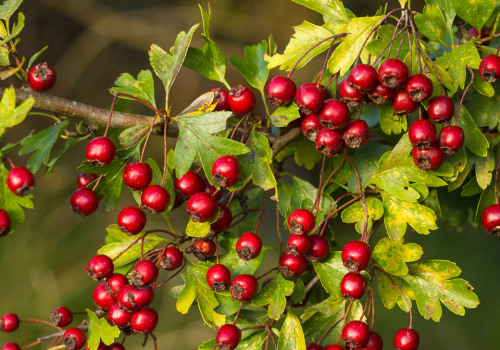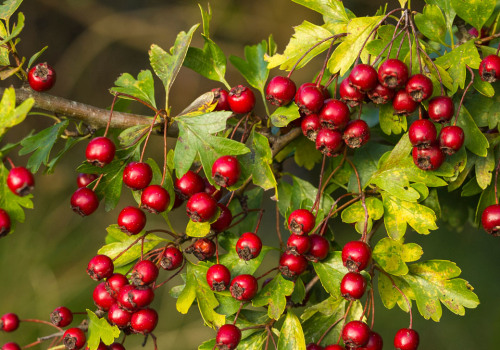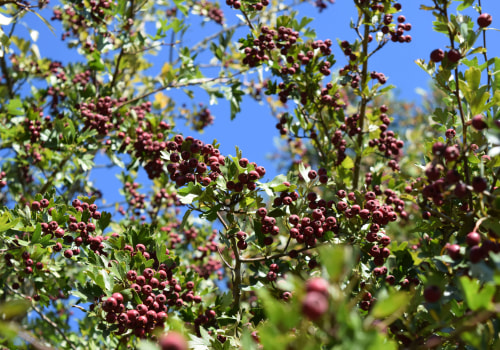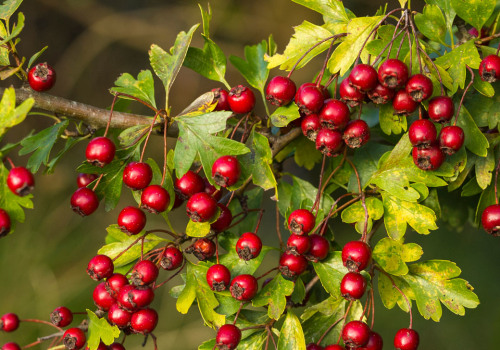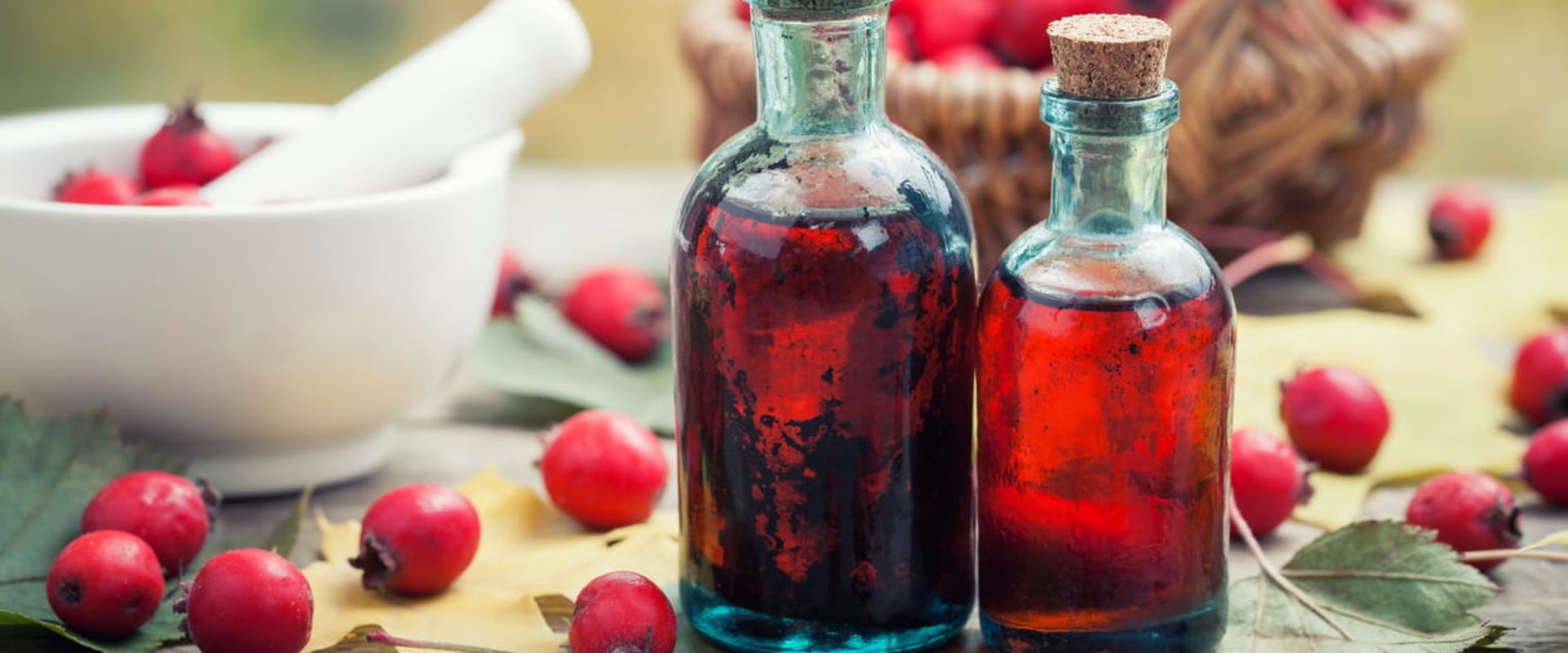
Hawthorn extract, derived from the hawthorn berry (Crataegus), has a rich history in herbal medicine, dating back to ancient times. Traditionally, this plant has been revered for its numerous health benefits, particularly in promoting cardiovascular health. However, recent studies have begun to uncover its potential advantages for liver health, making it a subject of growing interest among health enthusiasts and researchers alike. The hawthorn plant is native to Europe, North America, and parts of Asia, where it thrives in various climates. Its small red berries are packed with bioactive compounds such as flavonoids, phenolic acids, and oligomeric proanthocyanidins.
These compounds are believed to contribute significantly to the hawthorn berry benefits , including antioxidant properties that combat oxidative stress and inflammation. This makes hawthorn extract not only a valuable addition to heart health regimens but also a promising candidate for supporting liver function. Historically, hawthorn has been used in traditional medicine systems for its ability to enhance circulation and improve overall vitality. Herbalists have long recognized its role in treating ailments related to the heart and blood vessels. As research continues to evolve, the focus is shifting towards understanding how these same properties can be harnessed to protect the liver from damage caused by various factors such as toxins, poor diet, and excessive alcohol consumption. In this article, we will delve deeper into the specific benefits of hawthorn extract for liver health.
By exploring its mechanisms of action and the scientific evidence supporting its use, we aim to provide a comprehensive overview of how this remarkable herb can contribute to better liver function and overall well-being.
The Nutritional Profile of Hawthorn Berries
Hawthorn berries, known scientifically as Crataegus, are small, red fruits that pack a powerful nutritional punch. These berries are not only delicious but also rich in essential nutrients that contribute to overall health, particularly liver health. Understanding the nutritional profile of hawthorn berries is vital for appreciating their potential health benefits.Vitamins and Minerals
- Vitamin C: Hawthorn berries are an excellent source of vitamin C, a potent antioxidant that helps protect the liver from oxidative stress. This vitamin plays a crucial role in collagen synthesis and immune function.
- Vitamin A: Present in hawthorn berries, vitamin A is essential for maintaining healthy skin and vision.
It also supports liver function by aiding in detoxification processes.
- B Vitamins: These berries contain several B vitamins, including B1 (thiamine), B2 (riboflavin), and B3 (niacin), which are important for energy metabolism and maintaining healthy nerve function.
- Minerals: Hawthorn berries provide essential minerals such as potassium, magnesium, and calcium. Potassium helps regulate blood pressure, while magnesium supports liver enzyme functions.
Antioxidants
One of the standout features of hawthorn berries is their high antioxidant content. They contain flavonoids, phenolic acids, and proanthocyanidins, which help combat free radicals in the body. These antioxidants are crucial for reducing inflammation and protecting liver cells from damage caused by toxins and harmful substances.
Health Benefits of Hawthorn Berries
The unique composition of hawthorn berries contributes to various health benefits:
- Liver Protection: The antioxidants found in hawthorn berries can help reduce oxidative stress on the liver, promoting its health and functionality.
- Improved Circulation: Hawthorn has been traditionally used to enhance blood circulation, which is vital for delivering nutrients to the liver and removing waste products.
- Anti-Inflammatory Effects: The anti-inflammatory properties of hawthorn berries may help reduce liver inflammation, making them beneficial for individuals with liver conditions.
Incorporating these berries into your diet can be a delicious way to enhance your overall well-being while specifically targeting liver function.
Hawthorn Extract and Liver Health: The Science Behind It
Hawthorn extract has garnered significant attention in the realm of herbal medicine, particularly for its potential hepatoprotective effects. Numerous scientific studies have explored how this natural supplement can contribute to liver health, making it a promising candidate for preventing liver diseases. One of the primary mechanisms by which hawthorn extract supports liver health is through its ability to reduce oxidative stress. Oxidative stress occurs when there is an imbalance between free radicals and antioxidants in the body, leading to cellular damage. Research indicates that hawthorn extract is rich in antioxidants, such as flavonoids and phenolic acids, which help neutralize free radicals.A study published in the Journal of Ethnopharmacology demonstrated that hawthorn extract significantly decreased markers of oxidative stress in liver tissues, thereby protecting hepatocytes from damage. In addition to combating oxidative stress, hawthorn extract also exhibits anti-inflammatory properties. Chronic inflammation is a known contributor to various liver diseases, including fatty liver disease and cirrhosis. By modulating inflammatory pathways, hawthorn extract can help mitigate liver inflammation. For instance, a study found that hawthorn extract reduced levels of pro-inflammatory cytokines in animal models, suggesting its potential to alleviate inflammation-related liver damage. Furthermore, hawthorn extract has been shown to improve lipid metabolism within the liver.
Excess fat accumulation in liver cells can lead to conditions such as non-alcoholic fatty liver disease (NAFLD). Research indicates that hawthorn may enhance fatty acid oxidation and reduce lipogenesis, thereby decreasing fat deposition in the liver. This effect was highlighted in a clinical trial where participants taking hawthorn extract exhibited lower liver fat content compared to those on a placebo. Overall, the hepatoprotective effects of hawthorn extract are supported by a growing body of scientific evidence. Its ability to reduce oxidative stress and inflammation, along with its positive impact on lipid metabolism, positions it as a valuable natural remedy for promoting liver health and preventing liver diseases.
As research continues to unfold, hawthorn extract may become an integral part of holistic approaches to maintaining optimal liver function.
Mechanisms of Action: How Hawthorn Protects the Liver
Hawthorn extract has garnered attention for its potential to protect the liver through various biological mechanisms. Understanding how hawthorn works for liver health involves exploring its antioxidant activity, anti-inflammatory properties, and other protective effects.Antioxidant Activity
One of the primary ways hawthorn extract supports liver health is through its potent antioxidant properties. The liver is particularly vulnerable to oxidative stress, which can lead to cellular damage and contribute to liver diseases. Hawthorn is rich in flavonoids, such as quercetin and catechins, which are known for their ability to scavenge free radicals.
By neutralizing these harmful molecules, hawthorn helps reduce oxidative stress in liver cells, thereby protecting them from damage.
Anti-Inflammatory Properties
In addition to its antioxidant effects, hawthorn extract exhibits significant anti-inflammatory properties. Chronic inflammation is a key factor in the progression of liver diseases, including fatty liver disease and cirrhosis. Hawthorn has been shown to inhibit the production of pro-inflammatory cytokines, which are signaling molecules that promote inflammation. By modulating these inflammatory pathways, hawthorn can help mitigate liver inflammation and promote overall liver health.
Hepatoprotective Mechanisms
Research indicates that hawthorn extract may activate specific signaling pathways that enhance liver cell survival.
For instance, it has been found to activate the AMPK (AMP-activated protein kinase) pathway, which plays a crucial role in cellular energy homeostasis and can help protect against apoptosis (programmed cell death). This activation not only supports the survival of hepatocytes (liver cells) but also aids in the regeneration of damaged liver tissue.
Fat Metabolism Regulation
Hawthorn extract also influences lipid metabolism within the liver. It has been observed to reduce fat accumulation in liver tissues by regulating several intrahepatic factors involved in lipid synthesis and breakdown. This includes enhancing fatty acid oxidation and decreasing lipogenesis (the process of converting carbohydrates into fats).
By promoting a healthier lipid profile in the liver, hawthorn may help prevent conditions such as non-alcoholic fatty liver disease (NAFLD). In summary, the mechanisms through which hawthorn protects the liver are multifaceted, involving antioxidant activity, anti-inflammatory effects, hepatoprotective signaling pathways, and regulation of fat metabolism. These combined actions make hawthorn extract a promising natural remedy for supporting liver health.
Clinical Evidence Supporting Hawthorn's Benefits for Liver Health
Recent clinical studies have begun to shed light on the potential benefits of hawthorn extract for liver health, providing a scientific basis for its traditional use in herbal medicine. These studies highlight various mechanisms through which hawthorn may exert protective effects on the liver, particularly in the context of liver diseases. One notable study published in the Journal of Ethnopharmacology examined the hepatoprotective effects of hawthorn extract in animal models subjected to liver damage induced by toxic substances. The results indicated that hawthorn extract significantly reduced markers of liver injury, such as alanine aminotransferase (ALT) and aspartate aminotransferase (AST), suggesting its potential to mitigate liver damage. Another clinical trial focused on patients with non-alcoholic fatty liver disease (NAFLD).Participants who received hawthorn extract showed a marked improvement in liver function tests and a reduction in hepatic steatosis compared to the placebo group. This study underscores the extract's role in improving lipid metabolism and reducing fat accumulation in the liver. Furthermore, a meta-analysis of several studies highlighted the antioxidant properties of hawthorn, which play a crucial role in protecting liver cells from oxidative stress. The analysis concluded that hawthorn extract could enhance the body’s antioxidant defenses, thereby reducing inflammation and cellular damage associated with chronic liver conditions. Despite these promising findings, it is essential to approach the current evidence with caution. While the results are encouraging, many studies have been conducted on animal models rather than humans.
More extensive clinical trials are necessary to confirm these benefits and establish standardized dosages for effective treatment. In summary, emerging clinical evidence supports the notion that hawthorn berry benefits extend to liver health, particularly through its hepatoprotective and antioxidant properties. As research continues to evolve, it may pave the way for hawthorn extract as a complementary therapy for individuals suffering from various liver diseases.
Potential Side Effects and Safety Considerations
While hawthorn extract is generally considered safe for most individuals, it is essential to be aware of potential side effects and safety considerations before incorporating it into your health regimen. Understanding these factors can help you make informed decisions and avoid any adverse reactions.Common Side Effects
- Dizziness: Some users may experience dizziness, particularly when taking higher doses of hawthorn extract.
- Gastrointestinal Issues: Mild digestive disturbances such as nausea, upset stomach, or diarrhea can occur in some individuals.
- Fatigue: A few users have reported feelings of fatigue or drowsiness after taking hawthorn extract.
- Allergic Reactions: Although rare, some individuals may experience allergic reactions, including skin rashes or itching.
Who Should Avoid Hawthorn Extract?
It is crucial for certain groups to exercise caution or avoid using hawthorn extract altogether:
- Pregnant and Breastfeeding Women: Due to insufficient research on the effects of hawthorn on pregnancy and lactation, it is advisable for women in these categories to avoid its use.
- Individuals with Heart Conditions: Those with existing heart conditions should consult a healthcare provider before using hawthorn extract, as it may interact with medications or exacerbate certain conditions.
- People Taking Blood Pressure Medications: Hawthorn can lower blood pressure; therefore, individuals on antihypertensive medications should seek medical advice to prevent potential interactions.
- Children: The safety of hawthorn extract in children has not been established, so it is best to avoid giving it to them without professional guidance.
Consulting a Healthcare Provider
If you are considering adding hawthorn extract to your health routine, it is wise to consult with a healthcare provider, especially if you have pre-existing medical conditions or are taking other medications. This step ensures that you can safely enjoy the potential benefits of hawthorn while minimizing any risks associated with its use.
How to Incorporate Hawthorn Extract into Your Diet
Incorporating hawthorn extract into your daily routine can be a simple yet effective way to harness its numerous health benefits, particularly for liver health.Here are some practical tips on how to use hawthorn extract, recommended dosages, and creative recipes that include hawthorn berries.
How to Use Hawthorn Extract
Hawthorn extract is available in various forms, including capsules, tinctures, and teas. Each form has its own advantages:- Capsules: These are convenient for those who prefer a quick and easy method of consumption. Typically, a dosage of 250-500 mg taken two to three times daily is recommended, but it’s essential to follow the instructions on the product label or consult with a healthcare provider.
- Tinctures: Liquid extracts can be added to water or juice. A common dosage is 1-2 ml taken three times a day.
Tinctures may offer faster absorption compared to capsules.
- Teas: Brewing hawthorn tea is another enjoyable way to consume this extract. Steep 1-2 teaspoons of dried hawthorn berries in hot water for about 10-15 minutes. Drink 1-3 cups daily for optimal benefits.
Recommended Dosage of Hawthorn Berries
The appropriate dosage of hawthorn berries can vary based on individual health needs and the specific product used. Generally, the following guidelines can be helpful:- Dried Berries: If using dried hawthorn berries, a typical dosage is about 20-30 grams per day.
- Extracts: For standardized extracts, look for products that contain 1.8% to 2.2% flavonoids and follow the manufacturer’s recommendations.
Recipes with Hawthorn Berries
In addition to supplements, incorporating hawthorn berries into your meals can be both delicious and nutritious.Here are a couple of creative recipes:
- Hawthorn Berry Jam:
- Ingredients: 2 cups fresh or frozen hawthorn berries, 1 cup sugar, 1/4 cup lemon juice.
- Instructions: Combine all ingredients in a saucepan over medium heat. Cook until the mixture thickens, stirring frequently. Pour into sterilized jars and let cool before sealing.
- Hawthorn Berry Smoothie:
- Ingredients: 1 cup hawthorn berries (fresh or frozen), 1 banana, 1 cup spinach, 1 cup almond milk.
- Instructions: Blend all ingredients until smooth. Enjoy as a refreshing breakfast or snack!
Comparing Hawthorn Extract with Other Herbal Remedies for Liver Health
When considering herbal remedies for liver health, hawthorn extract is often highlighted for its protective properties.However, it is essential to compare it with other popular herbal supplements to make an informed decision about which remedy may be best suited for your needs.
Milk Thistle
One of the most well-known alternatives to hawthorn extract is milk thistle (Silybum marianum). This herb contains silymarin, a compound recognized for its antioxidant and anti-inflammatory effects. Research suggests that milk thistle can help regenerate liver cells and protect against toxins, making it a popular choice for those dealing with liver conditions such as fatty liver disease and hepatitis. While both hawthorn and milk thistle offer protective benefits, milk thistle is particularly noted for its ability to support liver detoxification processes.Dandelion Root
Dandelion root
(Taraxacum officinale) is another herbal remedy that has gained attention for its potential liver benefits.
Traditionally used in herbal medicine, dandelion root is believed to stimulate bile production, which aids in digestion and detoxification. Additionally, it may help reduce inflammation in the liver. While hawthorn extract focuses more on protecting the liver from damage, dandelion root actively promotes liver function through increased bile flow.
Turmeric
Turmeric
(Curcuma longa), known for its active compound curcumin, is celebrated for its anti-inflammatory and antioxidant properties. Studies have shown that turmeric can help reduce liver inflammation and fibrosis, making it a valuable addition to any liver health regimen.
Unlike hawthorn extract, which primarily protects the liver from oxidative stress, turmeric actively works to reduce existing inflammation and promote healing.
Comparative Effectiveness
While each of these herbal remedies has unique benefits, their effectiveness can vary based on individual health conditions and lifestyle factors. For instance:- Hawthorn extract is particularly beneficial for those looking to protect their liver from oxidative damage and improve overall cardiovascular health.
- Milk thistle may be more suitable for individuals recovering from liver damage or those exposed to toxins.
- Dandelion root can be advantageous for those seeking to enhance digestion and bile production.
- Turmeric is ideal for individuals dealing with chronic inflammation or seeking to support overall liver function.
Frequently Asked Questions About Hawthorn Extract and Liver Health
As interest in natural remedies grows, many people are turning to hawthorn extract for its potential benefits, particularly concerning liver health. Below are some frequently asked questions that can help clarify the role of hawthorn extract in supporting liver function.What is hawthorn extract?
Hawthorn extract is derived from the berries, leaves, and flowers of the hawthorn plant, scientifically known as Crataegus.It has been used in traditional medicine for centuries, primarily for cardiovascular health, but recent studies have highlighted its potential benefits for liver health as well.
How does hawthorn extract benefit liver health?
Research indicates that hawthorn extract may offer several protective effects on the liver:- Hepatoprotective Properties: Hawthorn extract has been shown to protect liver cells from damage caused by toxins and oxidative stress.
- Reduction of Fat Accumulation: It may help reduce fat deposition in the liver, which is crucial for preventing fatty liver disease.
- Anti-inflammatory Effects: The anti-inflammatory properties of hawthorn can help mitigate inflammation in the liver, promoting overall liver health.
Are there any side effects associated with hawthorn extract?
Generally, hawthorn extract is considered safe for most individuals when taken in appropriate doses. However, some people may experience mild side effects such as dizziness or gastrointestinal discomfort. It is advisable to consult a healthcare provider before starting any new supplement, especially if you have existing health conditions or are taking other medications.Can I take hawthorn extract if I consume alcohol?
While hawthorn extract has protective properties for the liver, it is recommended to avoid alcohol consumption while taking this supplement. Alcohol can counteract the benefits of hawthorn and may exacerbate any potential side effects.How should I take hawthorn extract for optimal liver health?
The dosage of hawthorn extract can vary based on individual needs and product formulations.It is best to follow the manufacturer's instructions or consult with a healthcare professional to determine the appropriate dosage for your specific situation. In summary, understanding these common questions about hawthorn berry benefits can empower individuals to make informed decisions regarding their liver health and the use of natural supplements like hawthorn extract.
Conclusion: The Promising Role of Hawthorn Extract in Supporting Liver Health
In summary, the exploration of hawthorn berry benefits reveals a wealth of potential advantages for liver health. As we have discussed, hawthorn extract is not merely a traditional remedy; it is backed by scientific research that highlights its hepatoprotective properties. This natural supplement offers a multifaceted approach to liver support, making it a valuable addition to any health regimen. One of the most significant findings is hawthorn's ability to combat oxidative stress, which is a major contributor to liver damage. By reducing oxidative stress, hawthorn extract helps to protect liver cells from the harmful effects of free radicals.This protective mechanism is crucial for maintaining overall liver function and preventing conditions such as fatty liver disease and cirrhosis. Moreover, hawthorn extract has demonstrated anti-inflammatory and antifibrotic effects, which are essential in managing liver health. Chronic inflammation can lead to fibrosis and ultimately liver failure, so incorporating hawthorn into your routine may help mitigate these risks. The extract's ability to enhance antioxidant defenses further supports its role in promoting liver wellness. Additionally, the potential for hawthorn extract to reduce fat deposition in the liver is particularly noteworthy. By influencing various metabolic pathways, it aids in the regulation of lipid metabolism, which is vital for individuals at risk of non-alcoholic fatty liver disease (NAFLD). As with any supplement, it is essential to approach hawthorn extract with informed caution.
Consulting with a healthcare professional before starting any new regimen is advisable, especially for those with pre-existing conditions or those taking other medications. However, for those looking to enhance their liver health naturally, the incorporation of hawthorn extract could be a promising step. In conclusion, the potential benefits of hawthorn berry extend beyond traditional uses, offering modern science-backed support for liver health. As research continues to unfold, we may discover even more about this remarkable plant and its role in holistic health practices.