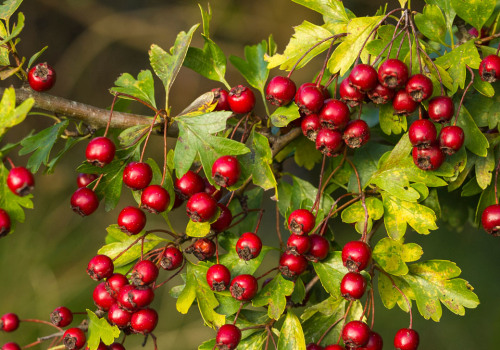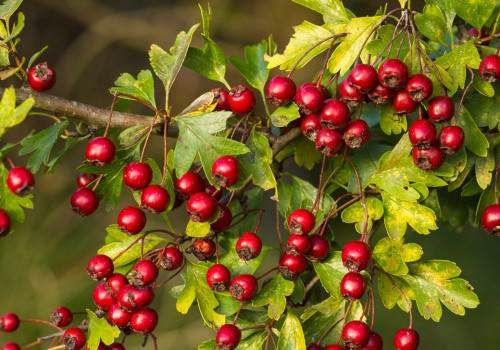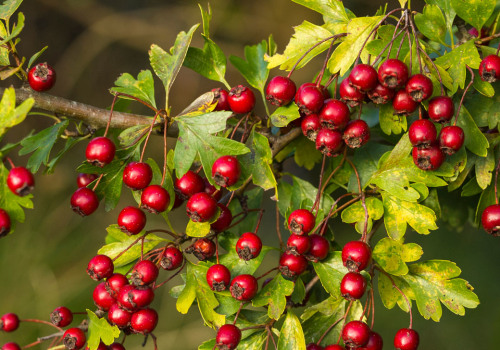
Hawthorn berries, scientifically known as Crataegus, have been cherished for centuries for their remarkable health benefits, particularly in the realm of cardiovascular wellness. These small, vibrant red fruits grow on hawthorn trees, which are native to various regions across Europe, North America, and Asia. Historically, hawthorn has been utilized in traditional medicine systems, where it was revered not only for its nutritional value but also for its therapeutic properties. Ancient cultures recognized the potential of hawthorn berries to support heart health, and they have since become a staple in herbal remedies.The health benefits of hawthorn extend beyond just heart support.
Rich in antioxidants, vitamins, and flavonoids, these berries are believed to combat oxidative stress and inflammation within the body. This makes them a valuable addition to a balanced diet aimed at promoting overall well-being. The presence of oligomeric procyanidins (OPCs) in hawthorn berries is particularly noteworthy; these compounds are linked to improved blood circulation and reduced cholesterol levels, making them a natural ally for those seeking to enhance their cardiovascular health.As we delve deeper into the myriad hawthorn berry benefits, it is essential to understand their role in modern herbal medicine. With increasing interest in natural remedies and holistic health approaches, hawthorn berries have gained popularity among health enthusiasts and practitioners alike.
This comprehensive guide will explore the extensive health benefits associated with hawthorn berries, providing insights into how they can be incorporated into daily routines for optimal health outcomes.
Nutritional Profile of Hawthorn Berries
Hawthorn berries are not only celebrated for their potential health benefits but also for their impressive nutritional profile. These small, red fruits are packed with essential vitamins, minerals, and antioxidants that contribute to their therapeutic properties.Vitamins in Hawthorn Berries
- Vitamin C: One of the most notable vitamins found in hawthorn berries is vitamin C, a powerful antioxidant that plays a crucial role in immune function, collagen synthesis, and the absorption of iron. This vitamin helps protect cells from oxidative stress and supports overall health.
- Vitamin B Complex: Hawthorn berries also contain several B vitamins, including B1 (thiamine), B2 (riboflavin), and B3 (niacin). These vitamins are essential for energy metabolism, brain function, and maintaining healthy skin.
Minerals Present in Hawthorn Berries
- Potassium: This mineral is vital for maintaining proper heart function and regulating blood pressure.
Potassium helps balance sodium levels in the body, which is important for cardiovascular health.
- Magnesium: Magnesium plays a key role in over 300 biochemical reactions in the body. It supports muscle and nerve function, regulates blood sugar levels, and contributes to bone health.
- Calcium: While not as abundant as in dairy products, calcium is present in hawthorn berries and is essential for maintaining strong bones and teeth.
Antioxidants and Phytochemicals
In addition to vitamins and minerals, hawthorn berries are rich in antioxidants, particularly flavonoids and oligomeric procyanidins (OPCs). These compounds are known for their ability to combat oxidative stress and inflammation in the body. The presence of these antioxidants contributes to the potential cardiovascular benefits of hawthorn berries by improving blood circulation and reducing cholesterol levels.The combination of these nutrients makes hawthorn berries a valuable addition to a balanced diet.
By understanding the nutritional value of hawthorn berries, individuals can better appreciate how these small fruits can support overall health and well-being.
Cardiovascular Health Benefits
Hawthorn berries have long been celebrated for their remarkable cardiovascular health benefits. These small, red fruits are packed with bioactive compounds that can significantly enhance heart function and overall cardiovascular well-being.One of the primary ways hawthorn berries contribute to heart health is by helping to regulate blood pressure. Studies have shown that hawthorn can act as a natural vasodilator, which means it helps to widen blood vessels, improving blood flow and reducing the strain on the heart. This effect can be particularly beneficial for individuals suffering from hypertension, as it may help lower elevated blood pressure levels.In addition to managing blood pressure, hawthorn berries are known to positively influence cholesterol levels.Research indicates that these berries can help reduce total cholesterol and low-density lipoprotein (LDL) cholesterol, often referred to as "bad" cholesterol. The presence of flavonoids and oligomeric procyanidins (OPCs) in hawthorn berries is believed to play a crucial role in this process by promoting healthy lipid profiles and supporting the body’s natural ability to metabolize fats.Moreover, hawthorn berries are rich in antioxidants, which combat oxidative stress and inflammation—two significant contributors to cardiovascular disease. By neutralizing free radicals, these antioxidants help protect the heart and blood vessels from damage, thereby reducing the risk of conditions such as atherosclerosis.Another important aspect of hawthorn's heart support is its ability to enhance cardiac function. Some studies suggest that hawthorn may improve the heart's pumping ability, making it particularly useful for individuals with heart failure or other cardiac conditions.
This improvement in cardiac output can lead to better oxygen delivery throughout the body, enhancing overall vitality and energy levels.In summary, incorporating hawthorn berries into your diet may offer a multitude of cardiovascular benefits , including:
- Regulation of blood pressure
- Reduction of LDL cholesterol levels
- Protection against oxidative stress
- Improvement in cardiac function
Anti-Inflammatory Properties
Hawthorn berries are increasingly recognized for their anti-inflammatory effects, making them a valuable addition to the arsenal of natural remedies for those suffering from chronic inflammation. Chronic inflammation is linked to a variety of health issues, including heart disease, arthritis, and even certain cancers. Understanding how hawthorn berries can help reduce inflammation is crucial for anyone looking to improve their overall health.Research has shown that hawthorn berries contain a rich array of antioxidants, particularly flavonoids and oligomeric procyanidins (OPCs).These compounds are known for their ability to combat oxidative stress, which is a significant contributor to inflammation in the body. By neutralizing free radicals, hawthorn berries can help mitigate the inflammatory response.One of the primary ways hawthorn berries exert their anti-inflammatory properties is through the inhibition of pro-inflammatory cytokines. Cytokines are signaling molecules that play a crucial role in the inflammatory process. By reducing the levels of these cytokines, hawthorn berries can help alleviate symptoms associated with inflammatory conditions.Moreover, studies have indicated that hawthorn extract may enhance blood circulation, which is vital for reducing inflammation.
Improved circulation ensures that nutrients and oxygen are efficiently delivered to tissues while also facilitating the removal of waste products that can exacerbate inflammation.For individuals dealing with conditions such as arthritis or cardiovascular diseases, incorporating hawthorn berries into their diet may offer significant benefits. Regular consumption can lead to:
- Reduced joint pain: The anti-inflammatory effects can help lessen discomfort associated with arthritis.
- Improved heart health: By reducing inflammation in blood vessels, hawthorn berries may lower the risk of heart disease.
- Enhanced recovery: Athletes and active individuals may find that hawthorn helps reduce muscle soreness and speeds up recovery after intense workouts.
Antioxidant Effects and Skin Health
Hawthorn berries are not only celebrated for their cardiovascular benefits but also for their remarkable antioxidant properties.These small, vibrant fruits are rich in flavonoids, particularly oligomeric procyanidins (OPCs), which are known to combat oxidative stress in the body. Oxidative stress occurs when there is an imbalance between free radicals and antioxidants, leading to cellular damage and contributing to various skin conditions and aging.The antioxidants found in hawthorn berries play a crucial role in protecting the skin from environmental aggressors such as UV radiation, pollution, and toxins. By neutralizing free radicals, these antioxidants help to maintain skin integrity and promote a youthful appearance. Regular consumption of hawthorn berries or their extracts can potentially enhance the skin's resilience against these harmful factors.
Skin Benefits of Hawthorn Berries
The benefits of hawthorn berries extend beyond their antioxidant content.Research has indicated that hawthorn extract may improve skin hydration and elasticity, making it a valuable ingredient in skincare formulations. The anti-inflammatory properties of hawthorn can also soothe irritated skin, reducing redness and promoting an even complexion.
- Improved Hydration: Hawthorn extract can help retain moisture in the skin, leading to a plumper and more hydrated appearance.
- Enhanced Elasticity: The presence of antioxidants supports collagen production, which is essential for maintaining skin firmness and elasticity.
- Soothing Effects: Hawthorn's anti-inflammatory properties can alleviate conditions such as eczema or rosacea, providing relief from discomfort.
Potential Interactions with Medications
As the popularity of hawthorn berries continues to rise, it is essential to understand their potential interactions with various medications.While these berries are celebrated for their numerous health benefits, particularly in promoting heart health, they can also influence the effectiveness of certain drugs. This section will explore the most significant hawthorn berry drug interactions and provide guidance on their safe use.
1.Blood Pressure Medications
Hawthorn berries are known for their ability to lower blood pressure. This property can lead to potential interactions with medications designed to manage hypertension. Common classes of blood pressure medications that may interact with hawthorn include:
- Beta-blockers: These drugs reduce heart rate and lower blood pressure.
Combining them with hawthorn may enhance the blood pressure-lowering effects, leading to hypotension.
- Calcium channel blockers: Used to treat high blood pressure and angina, these medications may also have their effects amplified by hawthorn.
- ACE inhibitors: These drugs help relax blood vessels and lower blood pressure. Caution is advised when using them alongside hawthorn.
2.Cardiac Medications
Hawthorn may also interact with medications used to treat heart conditions, such as:
- Digoxin: This medication is often prescribed for heart failure and arrhythmias. Hawthorn can increase the effects of digoxin, potentially leading to toxicity.
- Aspirin and anticoagulants: While hawthorn has mild anticoagulant properties, combining it with other blood thinners may increase the risk of bleeding.
3.Sedatives and Alcohol
The calming effects of hawthorn can be enhanced when taken with sedatives or alcohol. This combination may lead to increased drowsiness or sedation, which could impair your ability to perform tasks that require alertness.
4.Herbal Supplements
Caution should also be exercised when combining hawthorn with other herbal supplements that affect blood pressure or heart function, such as garlic or ginseng.
The cumulative effects could lead to unexpected changes in health status.
5.Consultation is Key
Given the potential for medications affected by hawthorn, it is crucial for individuals considering hawthorn supplements to consult a healthcare professional before starting any new regimen. This is especially important for those already taking prescription medications or managing chronic health conditions.In summary, while hawthorn berries offer various health benefits, understanding their interactions with medications is vital for ensuring safety and efficacy. Always prioritize open communication with healthcare providers regarding any supplements you plan to incorporate into your health routine.
Recommended Dosage and Forms of Hawthorn Berries
When considering the incorporation of hawthorn berries into your health regimen, understanding the appropriate dosages and forms available is crucial for maximizing their benefits while minimizing potential risks. Hawthorn berries can be consumed in various forms, each with its own recommended dosage guidelines.Forms of Hawthorn Supplements
- Whole Berries: These can be eaten fresh or dried.
While fresh hawthorn berries are less common in stores, dried berries can be found in health food shops. A typical serving size is about 10-30 grams per day.
- Hawthorn Extract: This concentrated form is often available in liquid or capsule form. Extracts are standardized to contain specific amounts of active compounds, making them a popular choice for supplementation. Dosages typically range from 300 mg to 600 mg taken two to three times daily.
- Tinctures: Hawthorn tinctures are made by soaking the berries in alcohol or vinegar, which extracts the beneficial compounds.
A common dosage is 1-2 ml taken three times a day.
- Teas: Hawthorn berry tea can be made by steeping dried berries or leaves in hot water. Drinking 1-3 cups of hawthorn tea daily is generally recommended.
Recommended Dosage
The recommended dosage of hawthorn berries can vary based on the form used and individual health needs. Here are some general guidelines:- For Heart Health: Studies suggest that a daily intake of 1200 mg to 1500 mg of hawthorn extract may help improve cardiovascular function and reduce symptoms of heart-related issues.
- For Anxiety and Stress Relief: A lower dose of around 300 mg to 500 mg of hawthorn extract may be effective for managing mild anxiety and stress.
- For General Wellness: A daily dose of 500 mg to 1000 mg is often sufficient for overall health benefits.
Therefore, it’s advisable to consult with a healthcare professional before starting any new supplement regimen.In conclusion, whether you choose whole berries, extracts, tinctures, or teas, understanding the appropriate dosages will help you harness the full potential of hawthorn berry benefits. Always prioritize quality supplements from reputable sources to ensure safety and efficacy.
FAQs About Hawthorn Berries
Hawthorn berries have garnered significant attention for their potential health benefits, particularly in relation to heart health. However, many people still have questions about these small but powerful fruits. Below are some of the most frequently asked questions regarding hawthorn berry benefits and their uses.What are hawthorn berries?
Hawthorn berries, scientifically known as Crataegus, are small red or black fruits that grow on hawthorn trees and shrubs.They have been used in traditional medicine for centuries, primarily for their cardiovascular benefits.
What health benefits do hawthorn berries offer?
- Heart Health: Hawthorn berries are renowned for their ability to support heart function. They may help improve blood circulation, lower blood pressure, and reduce symptoms of heart-related conditions.
- Antioxidant Properties: These berries are rich in antioxidants, which help combat oxidative stress and inflammation in the body.
- Cholesterol Management: Some studies suggest that hawthorn berries can help lower total cholesterol and LDL cholesterol levels, contributing to overall heart health.
How can I consume hawthorn berries?
Hawthorn berries can be consumed in various forms, including:- Dried Berries: You can eat them raw or add them to teas and smoothies.
- Tinctures: Liquid extracts of hawthorn berries are available and can be taken as dietary supplements.
- Capsules: Hawthorn berry supplements in capsule form are also widely available for those who prefer a more concentrated dose.
Are there any side effects associated with hawthorn berries?
While hawthorn berries are generally considered safe for most people, some may experience mild side effects such as dizziness, stomach upset, or allergic reactions. It is advisable to consult a healthcare professional before starting any new supplement, especially if you are pregnant, nursing, or taking medications.Can hawthorn berries interact with medications?
Yes, hawthorn berries may interact with certain medications, particularly those that affect blood pressure or heart function. It is crucial to discuss with your doctor if you plan to incorporate hawthorn into your regimen to avoid any potential interactions.If you have more questions about hawthorn berries or their benefits, consider consulting a healthcare provider or a qualified herbalist for personalized advice.Conclusion: Embracing the Benefits of Hawthorn Berries
In summary, the health benefits of hawthorn berries are both diverse and significant, making them a valuable addition to any wellness regimen.These small, red fruits have been celebrated for centuries in traditional medicine, primarily for their remarkable effects on heart health. Research has shown that hawthorn berries can help improve circulation, lower blood pressure, and reduce cholesterol levels, all of which contribute to a healthier cardiovascular system.Moreover, the antioxidant properties found in hawthorn berries, particularly due to compounds like oligomeric procyanidins (OPC) and flavonoids, play a crucial role in combating oxidative stress. This not only supports heart health but also promotes overall well-being by reducing inflammation throughout the body.Additionally, emerging studies suggest that hawthorn berries may offer benefits beyond cardiovascular health. Their potential anti-aging effects on skin conditions highlight their versatility as a natural remedy.
By reducing the breakdown of collagen in the skin, hawthorn extracts could help maintain skin elasticity and appearance.However, it is essential to approach the use of hawthorn berries with caution. As discussed, potential interactions with medications and other substances necessitate consulting with a healthcare professional before incorporating them into your routine. Understanding the appropriate dosages and being aware of possible side effects is crucial for safe consumption.In conclusion, embracing the benefits of hawthorn berries can lead to improved heart health and overall wellness. As more research unfolds, we may discover even more advantages associated with this remarkable fruit.
Whether you choose to consume them as supplements or incorporate them into your diet through teas or extracts, hawthorn berries represent a natural approach to enhancing your health.Ultimately, the journey towards better health is multifaceted, and integrating natural remedies like hawthorn berries can be a step in the right direction. By understanding their benefits and using them wisely, you can harness the power of nature to support your health goals.